














How to Replace the Rear Door Lock Actuator on a 2019 Toyota Camry
Step-by-step DIY guide with tools, parts list, torque specs, safety tips, and testing steps
How to Replace the Rear Door Lock Actuator on a 2019 Toyota Camry
Step-by-step DIY guide with tools, parts list, torque specs, safety tips, and testing steps


🔧 Camry - Rear Door Lock Actuator Replacement
You’ll remove the rear interior door trim, disconnect the latch and lock cables, then swap the lock actuator assembly and reassemble the door. This fixes issues where the rear door won’t lock/unlock with the switch or remote.
Difficulty Level: Intermediate | Estimated Time: 1.5–2.0 hours per door
⚠️ Safety & Precautions
- ⚠️ Disconnect the negative battery cable before working near the side airbag in the door to avoid accidental deployment.
- ⚠️ Support the glass carefully; do not slam or pry against the window.
- ⚠️ Use plastic trim tools to avoid damaging painted or soft interior surfaces.
- ⚠️ Keep track of screws and clips; missing clips can cause rattles.
- ⚠️ Work with the ignition OFF and key/fob away from the car.
🔧 Required Tools
You'll need the following tools for this repair:
- 🛠️ 10mm socket
- 🛠️ 1/4" drive ratchet
- 🛠️ 1/4" drive extension (3–6")
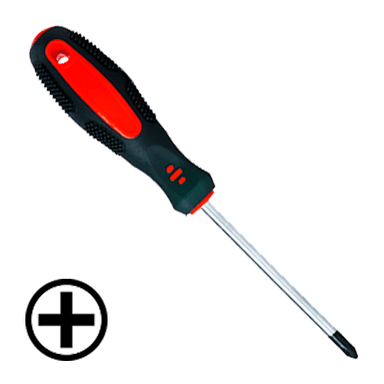
- 🛠️ Phillips #2 screwdriver
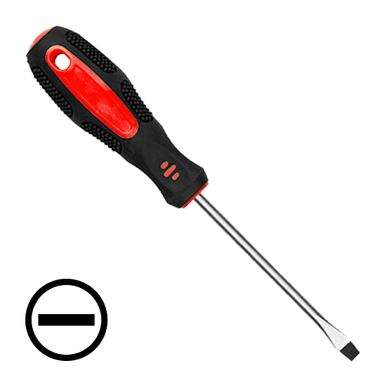
- 🛠️ Flathead screwdriver (small)
- 🛠️ Trim removal tool set (plastic) (specialty)
- 🛠️ Needle-nose pliers
- 🛠️ Torque wrench (inch-lb, 30–80 in-lb range)
- 🛠️ Torque wrench (ft-lb, 5–30 ft-lb range)
- 🛠️ Panel clip removal tool (specialty)
- 🛠️ Pick tool or small hook tool (specialty)
- 🛠️ Work light or headlamp
- 🛠️ Masking tape
- 🛠️ Mechanic gloves
- 🛠️ Safety glasses
🔩 Required Parts
HowToo sells all the parts you need for this repair:
- 🔩 Rear door lock actuator assembly (left or right, as needed) - Qty: 1
- 🔩 Rear door trim panel clips - Qty: 6–10 (have extras in case some break)
- 🔩 Plastic moisture barrier butyl tape/sealer - Qty: 1 roll
- 🔩 Door latch mounting screws (rear door) - Qty: 3 (optional replacement)
📋 Before You Begin
- Park the Camry on level ground, shift to Park, and set the parking brake.
- Make sure the rear window for the door you’re working on is fully up.
- Open the rear door fully and ensure you have good lighting.
- Disconnect the negative battery terminal using a 10mm socket and set the cable aside so it cannot spring back.
- Wait at least 2–3 minutes after battery disconnect before working near the side airbag.
🔨 Step-by-Step Instructions
Follow these steps in order:
Step 1: Remove door handle trim and visible screws
- Use a trim removal tool to gently pry off the small bezel around the interior door handle; start at the rear edge.
- Remove the screw behind the handle bezel using a Phillips #2 screwdriver.
- Pry up the window switch panel (rear armrest area) with a trim removal tool, starting at the rear.
- Disconnect the electrical connectors from the switch using your fingers or needle-nose pliers if needed.
- Remove any screws revealed under the switch panel using a Phillips #2 screwdriver.
Step 2: Remove the rear door trim panel
- Run a strip of masking tape along the painted upper door edge to protect the paint.
- Starting at the lower edge of the door, slide a trim removal tool between the panel and the metal door.
- Gently pry to release the plastic clips all around the perimeter. Work slowly, listen for pops.
- Once all clips are free, lift the door panel straight up to unhook it from the window ledge.
- Support the panel and disconnect any remaining connectors (courtesy light, etc.) by hand or with needle-nose pliers.
- Set the trim panel aside on a clean, soft surface.
Step 3: Remove the inner moisture barrier
- The moisture barrier is the plastic sheet stuck to the door with sticky butyl sealer.
- Carefully peel back the barrier near the latch area using your hands and a trim removal tool to help.
- Try to keep the butyl adhesive intact on the door or plastic. Peel slowly to avoid tearing.
- Fold the plastic up and tape it out of the way using masking tape.
Step 4: Disconnect inner door handle cable from latch
- Locate the cable from the interior door handle going to the latch/actuator area.
- Use a pick tool or your fingers to unclip the cable housing from its bracket on the latch.
- Rotate the cable end and slide the metal ball out of the lever hole on the latch using your fingers or needle-nose pliers.
Step 5: Disconnect lock rod or cable from outer handle
- Look up inside the door near the rear edge to find the rod or cable going from the outer handle to the latch.
- Use a pick tool or needle-nose pliers to pop open the small plastic clip that holds the rod/cable.
- Rotate the rod/cable and slide the end out of the latch lever.
Step 6: Unplug the actuator electrical connector
- Locate the electrical connector going into the lock actuator unit.
- Press the tab and pull the connector straight out by hand, or use needle-nose pliers gently on the plug body.
Step 7: Remove the rear door latch/lock actuator assembly
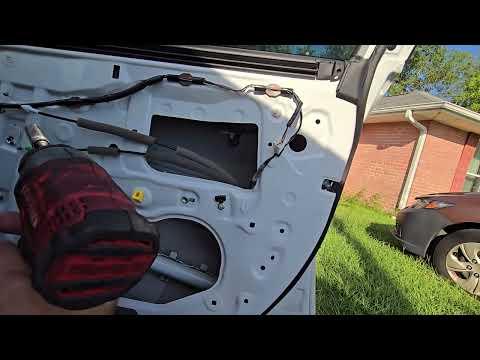
- From the edge of the door, locate the three Torx-style or hex-head screws holding the latch to the door frame. On this Camry, they are standard bolts.
- Use a 10mm socket with a ratchet and extension to remove the three latch mounting bolts.
- Carefully pull the latch/actuator assembly inward and out through the opening in the inner door skin.
- Work the assembly around the window guide and rods as needed. Take a picture before removal.
- Note the exact routing of cables and rods for reassembly.
Step 8: Separate actuator from latch (if new part is actuator-only)
- If your replacement is a full latch + actuator assembly, skip to Step 9.
- Place the assembly on a clean bench.
- Use a Phillips #2 screwdriver or 10mm socket (depending on design) to remove screws securing the actuator to the latch body.
- Gently separate the actuator from the latch using a trim removal tool as a plastic pry tool if needed.
- Install the new actuator onto the latch, aligning gear/lever positions exactly as original.
- Tighten the actuator screws with a Phillips #2 screwdriver or 10mm socket to Torque to 5 N·m (44 in-lb).
Step 9: Install the new latch/actuator assembly into the door
- Feed the rods/cables and latch assembly back into the door cavity, matching your reference photo.
- Align the latch with the door edge opening and start all three mounting bolts by hand.
- Use a 10mm socket and ratchet to snug the bolts evenly.
- Use a torque wrench with a 10mm socket to tighten the latch bolts to Torque to 5 N·m (44 in-lb).
Step 10: Reconnect outer handle rod/cable and inner handle cable
- Reconnect the outer handle rod/cable to the latch lever, inserting the end into the hole and snapping the plastic clip back in place using your fingers or needle-nose pliers.
- Reconnect the inner handle cable: insert the cable end ball into the lever, then clip the cable housing into its bracket by hand.
Step 11: Reconnect electrical connector and test with panel off
- Plug the actuator electrical connector back in by hand until it clicks.
- Temporarily reconnect the negative battery cable using a 10mm socket.
- Close the latch with a screwdriver blade (simulate the door closed) while the door is open.
- Use the key fob and interior lock switch to lock and unlock the door; confirm the latch cycles smoothly.
- Pull the interior handle to ensure it releases the latch; then use the exterior handle to confirm operation.
- Open the latch by pulling the exterior or interior handle, then disconnect the negative battery cable again using a 10mm socket before reassembling.
Step 12: Reinstall moisture barrier
- Lower the folded plastic barrier back into place over the door opening.
- Press the existing butyl sealer into the metal all the way around using your fingers.
- If any section no longer sticks, apply fresh butyl from your butyl tape/sealer roll and press the plastic into it.
Step 13: Reinstall door trim panel
- Reconnect any electrical connectors for the courtesy light and others by hand.
- Hang the top of the door panel onto the window ledge, aligning the upper hooks.
- Once hooked, push the panel toward the door and check that all clip holes line up.
- Press around the edges with your hands to snap all clips back into place. Replace broken clips with new ones using your hands or a panel clip removal tool as needed.
- Reinstall the screws in the armrest/switch area and behind the handle using a Phillips #2 screwdriver. Snug them firmly but do not overtighten.
- Reconnect the window switch connectors by hand and press the switch panel back into place using your hands.
- Reinstall the interior handle bezel by snapping it into place by hand.
Step 14: Final battery connection and function check
- Reconnect the negative battery cable using a 10mm socket and tighten to Torque to 5 N·m (44 in-lb) with a torque wrench.
- Cycle the rear window up and down using the switch to confirm switch wiring is correct.
- Lock and unlock the doors using the key fob, interior switch, and auto-lock function.
- Open the repaired rear door with both interior and exterior handles to confirm smooth operation.
✅ After Repair
- Use the remote, interior switch, and manual lock tab to confirm the rear door locks and unlocks every time.
- Drive at low speed and listen for rattles from the repaired door; if you hear any, a clip may not be fully seated.
- Make sure the courtesy light and window switch illumination work correctly.
- Check that child safety lock position is as you want it and that the door opens as expected from inside and outside.
💰 DIY vs Shop Cost
Shop Cost: $350–$550 (parts + labor)
DIY Cost: $80–$180 (parts only)
You Save: $170–$470 by doing it yourself!
Shop labor rates vary but typically run $100–$150/hour. This repair takes a shop approximately 1.0–1.5 hours per door.
🎯 Ready to get started?
HowToo makes it easy: same-day/2-day shipping on every part, plus all the tools and specialty tools you need! Check out the parts and tools sections above to add everything to your cart.