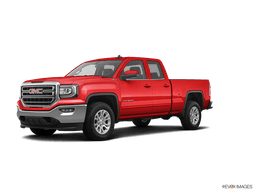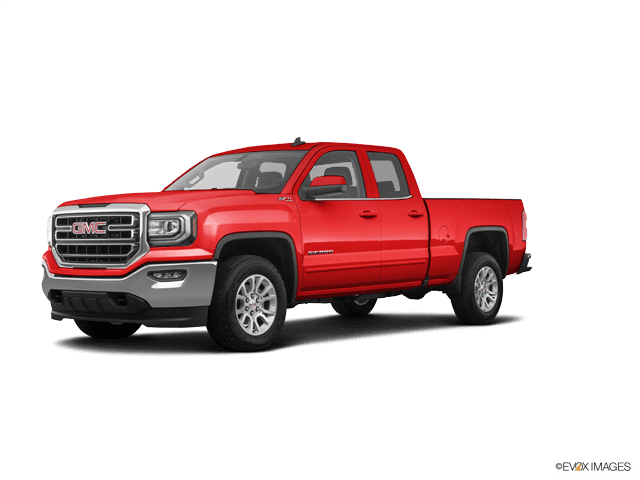














How to Replace the Rear Door Lock Actuator on a 2019 GMC Sierra 1500
Step-by-step DIY rear door latch actuator replacement with tools, parts list, testing tips, and safety instructions
How to Replace the Rear Door Lock Actuator on a 2019 GMC Sierra 1500
Step-by-step DIY rear door latch actuator replacement with tools, parts list, testing tips, and safety instructions


🔧 Sierra 1500 - Rear Door Lock Actuator Replacement
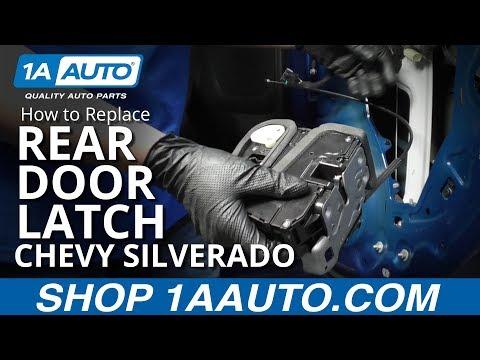
You’ll be removing the rear interior door panel, taking out the latch/lock actuator assembly, and installing a new one so the power locks work properly again. On this truck, the actuator is built into the door latch at the rear edge of the door.
Difficulty Level: Intermediate | Estimated Time: 1.5–2.5 hours per door
⚠️ Safety & Precautions
- ⚠️ Disconnect the negative battery cable before starting to avoid accidental airbag or electrical activation. Your Sierra has side airbags in the doors.
- ⚠️ Wear safety glasses and gloves. The inside of the door has sharp metal edges and small clips.
- ⚠️ Keep the window fully up before removing the door panel to avoid putting pressure on the glass.
- ⚠️ Do not tug hard on wiring; always release electrical connectors by their tabs.
- ⚠️ Support the door panel when it is loose so you do not pull on the wiring for the window switch.
🔧 Required Tools
You'll need the following tools for this repair:
- 🛠️ 10mm socket
- 🛠️ 7mm socket
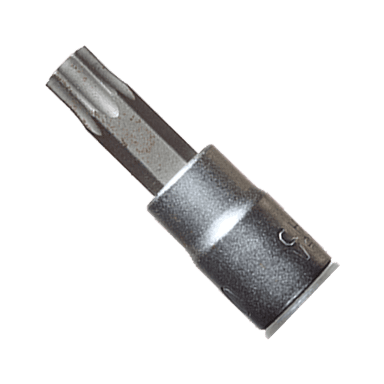
- 🛠️ Torx T30 bit
- 🛠️ 1/4" drive ratchet
- 🛠️ 1/4" drive extension (3–6")
- 🛠️ Trim removal tool set (plastic)
- 🛠️ Small flathead screwdriver
- 🛠️ Needle-nose pliers
- 🛠️ Panel clip removal tool
- 🛠️ Pick tool
- 🛠️ Painter’s tape
- 🛠️ Work light or headlamp
- 🛠️ Fender cover or thick towel
- 🛠️ Gloves
- 🛠️ Safety glasses
🔩 Required Parts
HowToo sells all the parts you need for this repair:
- 🔩 Rear door lock actuator / latch assembly (left or right, as needed) - Qty: 1
- 🔩 Rear door panel push clips - Qty: 6–8 (recommended, in case some break)
- 🔩 Butyl sealant rope for vapor barrier - Qty: 1 roll (if existing seal is damaged)
- 🔩 Electrical contact cleaner spray - Qty: 1 (optional, for dirty connectors)
- 🔩 Masking or painter’s tape - Qty: 1 roll
📋 Before You Begin
- Park your Sierra 1500 on level ground, place the transmission in PARK, and set the parking brake.
- Make sure the rear window on the door you’re working on is fully closed.
- Open the rear door fully to give yourself room to work.
- Disconnect the negative battery cable using a 10mm socket and move the cable end so it cannot spring back to the terminal.
- Lay a towel along the door sill to protect paint from tools and the door panel.
🔨 Step-by-Step Instructions
Follow these steps in order:
Step 1: Remove trim covers and visible screws
- Use a trim removal tool to gently pry off the small plastic cover in the inner door pull/handle recess (the grab handle you pull the door closed with).
- Use a trim removal tool or small flathead screwdriver to pop off any small trim cap near the inside door release handle (the handle you pull to open the door from inside).
- Use a 7mm socket and 1/4" ratchet to remove the screws hidden behind those covers.
- Use the 7mm socket to remove any additional screws along the bottom edge of the door panel and near the front edge (check carefully with your work light).
- Keep screws grouped by location.
Step 2: Remove the window switch panel
- The switch panel is the piece with the window switch on the armrest.
- Use a trim removal tool to gently pry up the rear edge of the switch panel and work it up and out.
- Flip the panel over and press the locking tabs on the electrical connectors with a small flathead screwdriver, then unplug all connectors by hand.
- Set the switch panel aside in a safe place.
Step 3: Release the door panel clips
- Starting at the bottom corner of the door panel, slide a trim removal tool between the panel and metal door shell until you feel a clip.
- Pry gently to pop each clip out. If a clip is stubborn, use the panel clip removal tool directly on the clip.
- Work your way around the bottom and sides of the panel until all clips are released and only the top edge is hooked on the window sill.
- Lift the entire panel straight up to unhook it from the top edge of the door.
- Support the panel with your knee or a helper—it will still have cables and maybe a wire attached.
Step 4: Disconnect interior handle cable and any remaining wiring
- Behind the panel, locate the cable going to the inside door release handle (usually a black cable with a small metal end).
- Use a pick tool or small flathead screwdriver to flip the plastic retainer clip off the bracket on the door panel, then rotate the cable to free the metal end from the handle.
- Unplug any remaining electrical connectors (courtesy light, etc.) by pressing their tabs with a small flathead screwdriver and pulling by hand.
- Remove the door panel from the vehicle and set it somewhere clean and safe.
Step 5: Peel back the vapor barrier
- The vapor barrier is the plastic sheet stuck to the door with sticky black sealant.
- Use your hands and a trim removal tool to gently peel it back starting near the rear edge of the door (toward the latch) just enough to expose the lock/latch area.
- Try not to tear the barrier or smear the sealant onto other parts.
- If the sealant is weak or rips, plan to use butyl sealant rope when reassembling.
Step 6: Locate the rear door latch/actuator assembly
- Look toward the rear edge of the door—this is where the latch assembly sits, behind the door’s outer metal skin, connected to the outside handle, inside handle, and lock rods.
- Find the electrical connector going to the actuator on the latch. Use a small flathead screwdriver to release the tab and unplug it.
- Check for corrosion; clean with contact cleaner if needed.
Step 7: Remove latch/actuator mounting screws
- Go to the edge of the door where it latches to the cab (rear edge of the open door).
- Use a T30 Torx bit and 1/4" ratchet to remove the Torx screws holding the latch to the door edge. There are usually 3 screws.
- Keep these screws safe; you will reuse them.
- Torque on reassembly: tighten latch screws firmly to factory spec (moderate hand-tight with 1/4" ratchet).
Step 8: Disconnect rods and cables from the latch
- From the inside of the door, gently pull the latch assembly toward the opening you created by peeling the vapor barrier.
- You will see one or more control rods and possibly a cable:
- Rod to inside handle
- Rod to outside handle
- Rod or link for the lock knob
- Each rod is held by a small colored plastic clip. Use a pick tool or small flathead screwdriver to flip the clip open (hinge it away from the rod), then slide the rod out of the clip.
- If there is a cable, release its plastic retainer from the latch body using a needle-nose pliers and unhook the cable end.
- Take a photo of the rod routing before removing.
Step 9: Remove the latch/actuator assembly from the door
- Once all rods, cables, and the connector are disconnected, maneuver the latch/actuator assembly out through the large opening in the inner door skin.
- You may need to rotate it and tilt it carefully. Be patient and do not force it against the sheet metal.
- Set the old assembly on a bench next to the new one.
Step 10: Transfer any brackets or clips to the new actuator
- Compare the new latch/actuator assembly to the old one carefully.
- If any plastic rod clips, brackets, or rubber pieces are still on the old unit, move them to the same positions on the new unit using needle-nose pliers.
- Make sure the lock lever positions on old and new assemblies match (locked vs unlocked). Adjust the new one by hand if needed.
Step 11: Install the new latch/actuator into the door
- Feed the new assembly into the door opening, guiding it back to the latch area at the rear edge.
- Reconnect the rods and cable:
- Insert each rod end into its hole and snap the plastic clip back over the rod using your fingers or needle-nose pliers.
- Hook any cable ends in place and snap their retainers back into their brackets.
- From the door edge, align the latch with its holes.
- Install the Torx screws by hand, then tighten them with the T30 Torx bit and 1/4" ratchet.
- Tighten latch screws to factory spec (firm, but do not over-tighten).
Step 12: Plug in the actuator and test before reassembly
- Reconnect the electrical connector to the new actuator until it clicks.
- Temporarily reconnect the window switch panel (just plug it in and let it hang safely) using your hands.
- Reconnect the negative battery cable with a 10mm socket.
- Use the key fob and interior lock switch to lock/unlock that rear door several times. Confirm:
- The lock knob moves correctly.
- The outside handle opens the door when unlocked.
- The inside handle opens the door when unlocked.
- If anything does not work, recheck rod and cable connections before moving on.
- Disconnect the negative battery cable again with the 10mm socket before continuing reassembly.
Step 13: Reinstall the vapor barrier
- Press the vapor barrier back into place along its original sealing path using your hands.
- If the original sealant will not stick, apply butyl sealant rope around the door opening, then press the plastic sheet into it firmly.
- Make sure there are no large gaps—this keeps water out of the cabin.
Step 14: Reinstall the door panel
- Hold the door panel near the door and reconnect any electrical connectors by hand (courtesy light, etc.).
- Reconnect the interior handle cable: snap its plastic retainer into the bracket and hook the metal end into the handle.
- Lift the panel so the top edge hooks over the inner window lip; push it down gently to seat it.
- Line up the plastic clips with their holes, then press around the edges of the panel with your palms until all clips snap in.
Step 15: Reinstall screws and switch panel
- Reinstall all 7mm screws in the pull handle area, near the inside door handle, and along the bottom/edges using the 7mm socket and 1/4" ratchet. Snug them down—do not overtighten.
- Snap the small plastic trim covers back over the screw heads by hand.
- Reconnect the window switch connectors by hand and push the switch panel back down into the armrest until it clicks into place.
Step 16: Final battery connection and functional test
- Reconnect the negative battery cable using the 10mm socket and tighten securely.
- Test the rear door operation:
- Use the key fob and interior lock switch to lock/unlock several times.
- Open the door from inside and outside when unlocked.
- Verify the manual lock knob moves smoothly.
- Listen for smooth actuator sound; no grinding.
✅ After Repair
- Check that all power locks on the truck still work from the key fob and interior switch.
- Drive slowly on a rough road and listen for any new rattles from the repaired door; if you hear some, a clip or screw may not be fully seated.
- Recheck the door for proper closing and alignment—make sure it latches securely without slamming.
- Confirm the child safety lock on the rear door (if used) still operates correctly.
💰 DIY vs Shop Cost
Shop Cost: $350–$550 (parts + labor)
DIY Cost: $120–$220 (parts only)
You Save: $230–$330 by doing it yourself!
Shop labor rates typically run $100–$150/hour. This repair takes a shop about 1.0–1.5 hours per door.
🎯 Ready to get started?
HowToo makes it easy: same-day/2-day shipping on every part, plus all the tools and specialty tools you need! Check out the parts and tools sections above to add everything to your cart.