















How to Replace the Rear Door Lock Actuator on a 2017 Toyota Tacoma
Step-by-step DIY guide with tools, parts list, safety tips, and testing procedure for Tacoma rear door lock actuator replacement for 2016, 2017, 2018, 2019, 2020, 2021
How to Replace the Rear Door Lock Actuator on a 2017 Toyota Tacoma
Step-by-step DIY guide with tools, parts list, safety tips, and testing procedure for Tacoma rear door lock actuator replacement for 2016, 2017, 2018, 2019, 2020, 2021


🔧 Tacoma - Rear door lock actuator replacement
You’ll remove the interior trim on the rear door, unplug the old lock actuator, and swap in a new one. The actuator is the small electric motor that locks and unlocks the door using the key fob or power lock switch.
Difficulty Level: Intermediate | Estimated Time: 1.5-2.5 hours
⚠️ Safety & Precautions
- ⚠️ Disconnect the negative battery cable before working on the door to avoid accidental airbag or lock operation.
- ⚠️ Your Tacoma has side airbags in the cab; avoid drilling or cutting anywhere on the door.
- ⚠️ Wear safety glasses and gloves; metal edges inside the door are sharp.
- ⚠️ Support the rear door fully open and work in a stable, well-lit area.
- ⚠️ Do not turn the ignition on with the door unplugged to avoid warning lights.
🔧 Required Tools
You'll need the following tools for this repair:
- 🛠️ 10mm socket
- 🛠️ 1/4" drive ratchet
- 🛠️ 1/4" drive extension (3"-6")
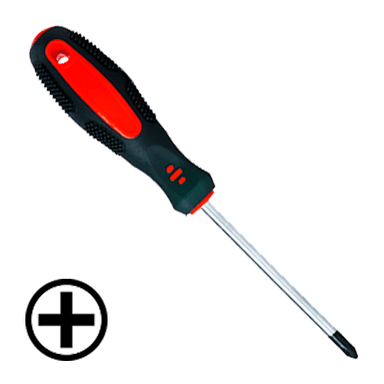
- 🛠️ Phillips #2 screwdriver
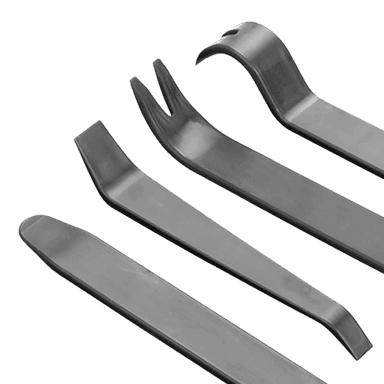
- 🛠️ Trim removal tool set (plastic)
- 🛠️ Small flathead screwdriver (3-4 mm tip)
- 🛠️ Needle-nose pliers
- 🛠️ Panel clip removal tool
- 🛠️ Torque wrench (inch-lb scale, 20-100 in-lbs)
- 🛠️ Work light
- 🛠️ Mechanic gloves
- 🛠️ Safety glasses
🔩 Required Parts
HowToo sells all the parts you need for this repair:
- 🔩 Rear door lock actuator assembly (left or right, match side) - Qty: 1
- 🔩 Rear door trim panel clips - Qty: 6-10
- 🔩 Butyl tape or door vapor barrier adhesive - Qty: 1 roll
- 🔩 Dielectric grease (electrical connector) - Qty: small tube
- 🔩 Painter’s tape - Qty: 1 roll
📋 Before You Begin
- Park your Tacoma on level ground, set the parking brake, and open the rear door you’re working on fully.
- Turn ignition off, remove the key, and wait at least 2-3 minutes.
- Disconnect the negative battery terminal using a 10mm socket and move the cable aside so it cannot spring back.
- Lay down a towel or blanket to protect the door trim once removed.
🔨 Step-by-Step Instructions
Follow these steps in order:
Step 1: Protect the door and locate fasteners
- Use painter’s tape along the top edge of the door where the trim meets the painted metal to prevent scratches.
- Look around the rear door interior panel: find screws near the grab handle and behind any small plastic covers.
- Use a small flathead screwdriver to gently pop off any small trim caps; pry only on the plastic, not paint.
Step 2: Remove visible screws from the rear door panel
- Use a Phillips #2 screwdriver to remove any screws in the door pull/handle area and lower part of the panel.
- Keep all screws in a labeled container so you know where they go back.
- Group screws by location for easier reassembly.
Step 3: Release the rear door trim clips
- A trim clip is a plastic fastener that holds the panel to the door frame.
- Insert a plastic trim removal tool between the door panel edge and the metal door at the bottom corner.
- Twist the tool gently to pop the first clip; you’ll hear a small “pop.”
- Work around the perimeter with the trim removal tool until all clips are released.
- Use a panel clip removal tool if a clip stays stuck in the metal door; pry it out straight.
Step 4: Lift off the rear door panel
- Once the clips are loose, lift the panel straight up to unhook it from the top lip of the door.
- Do not pull it away too far yet—wiring and cables will still be attached.
- Support the panel with one hand or rest its bottom edge on a towel on the sill.
Step 5: Disconnect electrical connectors and handle cable
- Use a small flathead screwdriver to press the lock tabs on any electrical connectors for window/lock switches, then pull the connectors apart by hand.
- The inner door handle is connected by a cable with a small plastic end on a lever.
- Use needle-nose pliers if needed to gently unhook the cable end from the handle, then pop the cable sheath out of its clip.
- Set the entire door panel aside on a soft surface with the fabric side up.
Step 6: Peel back the vapor barrier
- The vapor barrier is the thin plastic sheet stuck to the door with sticky butyl adhesive that keeps moisture out.
- Use your hands or a plastic trim tool to carefully peel back the vapor barrier starting near the latch area.
- Do not tear it; fold it up and tape it out of the way with painter’s tape.
- Leave the top attached if possible to reuse it easily.
Step 7: Locate the rear door lock actuator and rods
- The actuator is bolted to the latch assembly at the rear edge of the door where the door closes against the cab.
- You’ll see metal rods going from the latch/actuator to the inside handle and lock knob.
- Trace the wiring harness to the actuator and find the electrical connector.
Step 8: Disconnect the actuator electrical connector
- Use a small flathead screwdriver to lift the locking tab on the connector if needed.
- Pull the connector straight off by hand; do not pull on the wires.
- Inspect the connector for corrosion; clean lightly and add a bit of dielectric grease later.
Step 9: Release lock and handle rods from the actuator/latch
- At each rod connection, there is a small colored plastic clip that locks around the rod.
- Use a small flathead screwdriver to gently flip the clip open (it will rotate away from the rod).
- Once the clip is open, lift the rod straight out of the hole by hand or with needle-nose pliers.
- Take a photo of rod routing before removal.
Step 10: Remove the latch/actuator mounting bolts
- At the trailing edge of the door (where the latch meets the striker), open the door fully.
- Use a 10mm socket with ratchet to remove the bolts that hold the latch/actuator assembly to the door.
- Support the latch from inside the door with one hand so it doesn’t drop and strain the rods.
- When reinstalling, snug these bolts evenly and torque to factory specification using a torque wrench (refer to Toyota service data).
Step 11: Remove the latch/actuator assembly from the door
- Carefully maneuver the latch/actuator assembly out through the large opening in the inner door panel.
- You may need to rotate it slightly to clear the window track; move slowly and do not force it.
- If a rod catches on metal, gently guide it with your hand while pulling the assembly out.
Step 12: Separate the actuator from the latch
- Place the assembly on a clean bench or towel.
- Use a Phillips #2 screwdriver to remove the small screws that attach the actuator to the latch body.
- Carefully separate the actuator from the latch, noting the alignment tabs and linkage.
- Take a close-up photo of actuator orientation.
Step 13: Install the new rear door lock actuator on the latch
- Position the new actuator on the latch in the same orientation as the old one, aligning tabs and shafts.
- Install the screws using the Phillips #2 screwdriver and tighten them snugly and evenly.
- Do not overtighten; these are small screws into plastic/soft metal.
Step 14: Reinstall the latch/actuator assembly into the door
- Feed the latch/actuator assembly back into the door through the opening, guiding the rods along their original paths.
- Align the latch with the holes at the door edge.
- Install the latch bolts by hand first, then tighten with a 10mm socket and ratchet.
- Use your torque wrench to tighten the bolts to the factory torque spec (check Toyota data) without overtightening.
Step 15: Reconnect lock and handle rods
- Insert each rod back into its hole on the latch/actuator lever, following your photo.
- Rotate each plastic clip back over the rod until it clicks and locks the rod in place.
- Gently tug each rod by hand to make sure it is secure.
Step 16: Reconnect the actuator electrical connector
- Apply a small dab of dielectric grease to the connector terminals if desired.
- Push the connector straight onto the actuator until it clicks and locks.
- Make sure the wiring harness is routed along its original clips and not in the path of the window.
Step 17: Temporarily reconnect battery and test the actuator
- Reconnect the negative battery terminal with a 10mm socket and tighten snugly.
- Close the rear door latch gently with a screwdriver (simulate closed door) if needed, or close the door.
- Use the power lock switch and key fob to lock/unlock the door several times and confirm smooth operation.
- Test the inside and outside handles to verify the latch and rods are working correctly.
- Disconnect the negative battery cable again with the 10mm socket before reinstalling the trim.
Step 18: Reinstall the vapor barrier
- Press the plastic vapor barrier back into place against the original butyl adhesive.
- If the adhesive is weak, apply fresh butyl tape around the edges and press firmly.
- Make sure there are no large gaps; this prevents water from entering the cabin.
Step 19: Reattach door panel cables and connectors
- Bring the door panel close to the door.
- Reconnect the inner handle cable by snapping the cable sheath into its clip and hooking the cable end into the lever.
- Reconnect all electrical connectors by hand until they click.
Step 20: Reinstall the rear door trim panel
- Hang the top of the door panel on the upper lip of the door by lining up the hooks.
- Once hooked, push the panel straight toward the door so it sits flush.
- Use your hands to firmly press around the edges, snapping each trim clip back into the door.
- If any clips are broken or missing, replace them with new door trim panel clips before installation.
Step 21: Reinstall screws and trim caps
- Reinstall all screws using the Phillips #2 screwdriver in the handle and lower panel areas.
- Snug them down; do not overtighten into plastic.
- Press any plastic trim caps back over the screw heads by hand until they snap in.
Step 22: Final battery connection and function test
- Reconnect the negative battery terminal using the 10mm socket and tighten securely.
- Cycle the power locks from the driver’s switch and key fob.
- Check that the rear door locks and unlocks smoothly, and that both inside and outside handles work normally.
- Drive slowly and listen for rattles from the rear door; if you hear any, a clip or screw may need tightening.
✅ After Repair
- Lock and unlock all doors multiple times with the key fob and interior switch.
- Confirm the rear door child lock (if equipped) still operates correctly.
- Verify windows and speakers in that rear door work properly (if present).
- Check for wind noise or water leaks around the door after a short drive and light wash.
💰 DIY vs Shop Cost
Shop Cost: $250-$450 (parts + labor)
DIY Cost: $80-$180 (parts only)
You Save: $170-$270 by doing it yourself!
Shop labor rates vary but typically run $100-$150/hour. This repair takes a shop approximately 1.0-1.5 hours.
🎯 Ready to get started?
HowToo makes it easy: same-day/2-day shipping on every part, plus all the tools and specialty tools you need! Check out the parts and tools sections above to add everything to your cart.