









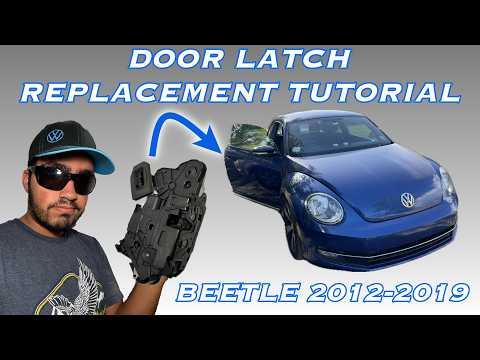



How to Replace the Rear Door Lock Actuator on a 2016 Volkswagen Beetle
Step-by-step instructions with tools, parts, safety tips, and torque specs
How to Replace the Rear Door Lock Actuator on a 2016 Volkswagen Beetle
Step-by-step instructions with tools, parts, safety tips, and torque specs


🔧 Rear Door Lock Actuator - Replacement
The rear door lock actuator is the electric motor and latch assembly that locks and unlocks the rear door. On your Beetle, the usual fix is replacing the complete latch/actuator unit inside the door. Assumption: steps below apply to either rear door.
Difficulty Level: Intermediate | Estimated Time: 2-3 hours
⚠️ Safety & Precautions
- Disconnect the negative battery cable before starting. This helps prevent accidental window, lock, and airbag circuit issues.
- Wait at least 10 minutes after disconnecting the battery before unplugging door wiring.
- Keep the window fully up before removing the door panel.
- Support the door panel as you remove it so you do not break the wiring or clips.
- Do not force the latch rod or electrical connectors. They can break easily.
🔧 Required Tools
You'll need the following tools for this repair:
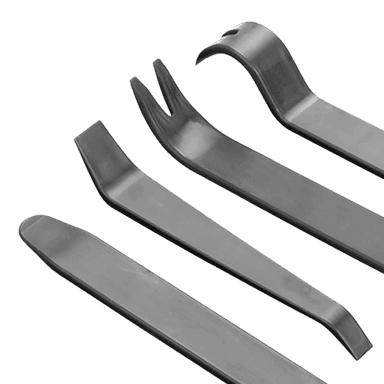
- Trim removal tool set
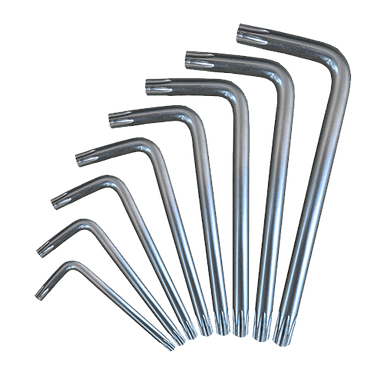
- Torx T20 screwdriver
- Torx T25 screwdriver
- Torx T30 screwdriver
- 10mm socket
- 1/4-inch ratchet
- 1/4-inch extension
- Flat blade pick tool
- Needle-nose pliers
- Panel clip tool
- Torque wrench
- Safety glasses
- Mechanic gloves
🔩 Required Parts
HowToo sells all the parts you need for this repair:
- Rear door lock actuator assembly - Qty: 1
- Door panel clip set - Qty: 1 set
- Vapor barrier adhesive strip - Qty: 1
📋 Before You Begin
- Park on level ground and set the parking brake.
- Lower the rear window slightly only if you need access, then raise it fully before panel removal.
- Disconnect the negative battery cable using a 10mm socket.
- Wait 10 minutes before unplugging door wiring.
🔨 Step-by-Step Instructions
Follow these steps in order:
Step 1: Remove the rear door trim panel
- Use a trim removal tool to pry off the screw covers and trim caps on the rear door panel.
- Use a Torx T20 screwdriver to remove the visible panel screws.
- Use a panel clip tool to release the door panel clips around the edge.
- Lift the panel upward to unhook it from the door frame.
- Disconnect the wiring connectors and any cable links attached to the panel.
Step 2: Remove the vapor barrier
- Use a flat blade pick tool and trim tool to carefully peel back the vapor barrier.
- Keep the adhesive clean so the barrier can be reused or resealed.
- Do not tear the water barrier.
Step 3: Access the latch and actuator
- Use a Torx T30 screwdriver to remove the service hole covers and access fasteners if equipped.
- Use a 10mm socket and 1/4-inch ratchet to remove the latch mounting bolts.
- Support the latch as you remove the last bolt.
Step 4: Disconnect the actuator from the door handle rods
- Use needle-nose pliers to release the rod retainers.
- Unclip the lock rod and door handle linkage from the actuator/latch assembly.
- Unplug the electrical connector from the actuator.
- Take a photo before disconnecting rods.
Step 5: Remove the old actuator assembly
- Slide the latch/actuator assembly out through the access opening.
- If it is stuck, rotate it gently to clear the door shell.
Step 6: Install the new actuator assembly
- Feed the new latch/actuator into the door opening in the same orientation as the old unit.
- Reconnect the electrical connector.
- Reattach the lock rod and handle linkage with needle-nose pliers.
- Install the mounting bolts by hand first, then tighten with a Torx T30 screwdriver or 10mm socket as equipped.
- Torque to 8 Nm (71 in-lbs).
Step 7: Test the latch before reassembly
- Reconnect the battery temporarily.
- Use the key fob and the interior lock switch to test lock and unlock operation.
- Open and close the door several times to confirm proper latch engagement.
- If it binds, recheck the rod clips and connector seating.
Step 8: Reinstall the vapor barrier and door panel
- Press the vapor barrier back into place and seal any lifted sections with adhesive strip.
- Reconnect all electrical connectors and cable links to the panel.
- Hang the door panel on the upper ledge first, then press the clips into place.
- Install the Torx T20 screws and trim covers.
✅ After Repair
- Test the rear door lock with the key fob, interior switch, and manual lock button.
- Open and close the door from inside and outside to confirm full latch function.
- Check for door panel rattles and make sure all clips are seated.
- Verify the window switches and any speaker wiring still work.
💰 DIY vs Shop Cost
Shop Cost: $450-$800 (parts + labor)
DIY Cost: $120-$260 (parts only)
You Save: $330-$540 by doing it yourself!
Shop labor rates vary but typically run $100-$150/hour. This repair takes a shop approximately 2-3 hours.
🎯 Ready to get started?
HowToo makes it easy: same-day/2-day shipping on every part, plus all the tools and specialty tools you need! Check out the parts and tools sections below to add everything to your cart.