














How to Replace the Rear Door Lock Actuator on a 2014-2019 Chevrolet Silverado 1500
Step-by-step instructions with tools, parts, torque specs, safety tips, and testing guidance
How to Replace the Rear Door Lock Actuator on a 2014-2019 Chevrolet Silverado 1500
Step-by-step instructions with tools, parts, torque specs, safety tips, and testing guidance for 2014, 2015, 2016, 2017, 2018, 2019


🔧 Rear Door Lock Actuator - Replacement
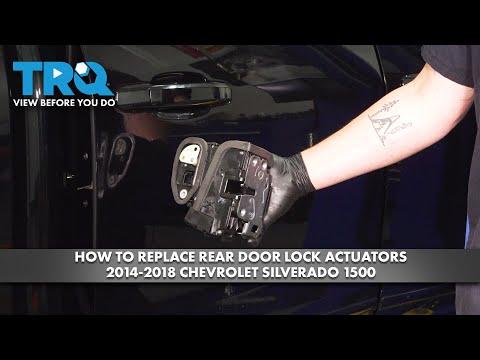
This repair means removing the rear door trim panel, disconnecting the latch/actuator assembly, and installing the new unit. On your Silverado, the actuator is built into the rear door latch, so the latch assembly is usually replaced as one piece.
Difficulty Level: Intermediate | Estimated Time: 1.5-3 hours
⚠️ Safety & Precautions
- Park on level ground and set the parking brake.
- Keep the window fully up before starting.
- Disconnect the negative battery cable to avoid accidental power operation. A 10mm wrench is usually used for the battery terminal.
- Use care around the door side airbag area and wiring harnesses.
- Do not force plastic clips; the door panel can crack easily.
🔧 Required Tools
You'll need the following tools for this repair:
- 7mm socket
- 10mm socket
- Ratchet
- Extension bar
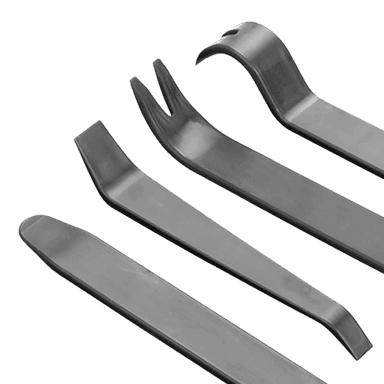
- Trim panel removal tool
- Phillips screwdriver
- Flat trim tool
- Needle-nose pliers
- Torque wrench
- Safety glasses
- Mechanic gloves
🔩 Required Parts
HowToo sells all the parts you need for this repair:
- Rear door lock actuator / latch assembly - Qty: 1
- Door panel clip set - Qty: 1
- Moisture barrier tape - Qty: 1
📋 Before You Begin
- Lower the window slightly only if needed for access, then raise it back up before disconnecting anything.
- Disconnect the negative battery cable and wait 2 minutes before unplugging door wiring.
- Keep all screws organized.
🔨 Step-by-Step Instructions
Follow these steps in order:
Step 1: Remove the rear door trim panel
- Use a 7mm socket and Phillips screwdriver to remove the visible trim panel screws around the armrest, pull handle, and lower edge.
- Use a trim panel removal tool to pop the door panel clips free around the edges.
- Lift the panel upward to unhook it from the window ledge.
- Disconnect the electrical connectors for the window switch and any courtesy light.
Step 2: Peel back the moisture barrier
- Use a flat trim tool to gently lift the moisture barrier without tearing it.
- Save the barrier so it can be resealed during reassembly.
- Work slowly to avoid tearing the seal.
Step 3: Disconnect the latch and actuator cables
- Use needle-nose pliers to release the cable ends from the latch handle mechanisms.
- Unclip the cable housings from their retainers.
- Disconnect the actuator electrical connector from the latch assembly.
Step 4: Remove the rear door latch/actuator assembly
- Use a 7mm socket or 10mm socket to remove the latch retaining fasteners on the door edge.
- Support the latch as you remove the last fastener so it does not drop inside the door.
- Slide the latch/actuator assembly out through the access opening.
- Torque on reassembly: Torque latch fasteners to 8-10 Nm (71-89 in-lbs).
Step 5: Install the new actuator/latch assembly
- Position the new rear door lock actuator/latch assembly into the door opening.
- Install the retaining fasteners by hand first, then tighten with a 7mm socket or 10mm socket.
- Reconnect the actuator electrical connector.
- Reattach the latch cables and make sure each housing is fully seated.
Step 6: Test the latch before reassembly
- Reconnect the battery temporarily if needed and test the lock/unlock function with the switch and key fob.
- Check inside handle, outside handle, and child lock operation.
- If the lock does not move smoothly, recheck the cable routing and connector seating.
Step 7: Reinstall the moisture barrier and door panel
- Press the moisture barrier back into place and reseal it with moisture barrier tape if needed.
- Reconnect the door panel electrical connectors.
- Hook the top of the panel over the window ledge, then press the clips in by hand.
- Reinstall the screws with a 7mm socket and Phillips screwdriver.
- Torque on reassembly: Door panel screws are usually snug only; do not overtighten.
✅ After Repair
- Test lock and unlock from the inside switch, outside handle, and key fob.
- Confirm the door opens and closes normally.
- Listen for any clicking, binding, or delayed movement.
- Make sure all trim clips and screws are secure.
💰 DIY vs Shop Cost
Shop Cost: $350-$700 (parts + labor)
DIY Cost: $90-$250 (parts only)
You Save: $260-$450 by doing it yourself!
Shop labor rates vary but typically run $100-$150/hour. This repair takes a shop approximately 1.5-3 hours.
🎯 Ready to get started?
HowToo makes it easy: same-day/2-day shipping on every part, plus all the tools and specialty tools you need! Check out the parts and tools sections below to add everything to your cart.