













How to Replace the Rear Door Lock Actuator on a 2012-2017 Volkswagen Passat
Step-by-step instructions with tools, parts, safety tips, and torque specs
How to Replace the Rear Door Lock Actuator on a 2012-2017 Volkswagen Passat
Step-by-step instructions with tools, parts, safety tips, and torque specs for 2012, 2013, 2014, 2015, 2016, 2017


🔧 Rear Door Lock Actuator - Replacement
The rear door lock actuator on your Passat is typically built into the latch assembly, so the repair usually means removing the rear door trim, vapor barrier, handle hardware, and latch assembly. This fixes problems like a door that will not lock, unlock, or respond to the key fob or switch.
Difficulty Level: Intermediate | Estimated Time: 2-3 hours
⚠️ Safety & Precautions
- Disconnect the negative battery cable before unplugging door harness connectors.
- Use care around the side airbag area in the door trim. Do not probe yellow connectors.
- The door glass can shift when the panel is removed. Support it if needed.
- Keep track of fasteners and clips. The door panel clips can break if forced.
- Work with the window fully raised.
🔧 Required Tools
You'll need the following tools for this repair:
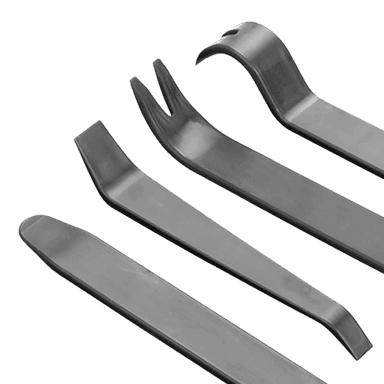
- Trim panel removal tool
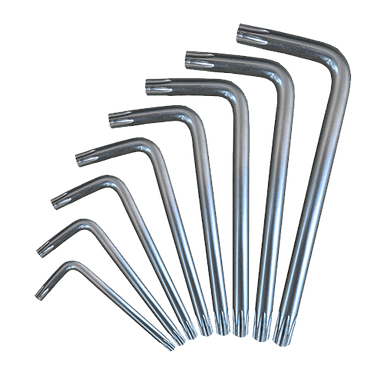
- Torx T20 screwdriver
- Torx T30 screwdriver
- 10mm socket
- 1/4-inch ratchet
- 1/4-inch extension
- Pick tool
- Flat plastic pry tool
- Needle-nose pliers
- Torque wrench
- Safety glasses
- Mechanic gloves
🔩 Required Parts
HowToo sells all the parts you need for this repair:
- Rear door lock actuator / latch assembly - Qty: 1
- Door trim panel clip set - Qty: 1
- Vapor barrier butyl tape - Qty: 1
- Latch fasteners - Qty: 1 set
📋 Before You Begin
- Park on level ground and set the parking brake.
- Fully lower then raise the rear window before starting. Leave it up.
- Disconnect the negative battery terminal and wait a few minutes before unplugging door connectors.
- Have the replacement latch ready before removing the old one.
🔨 Step-by-Step Instructions
Follow these steps in order:
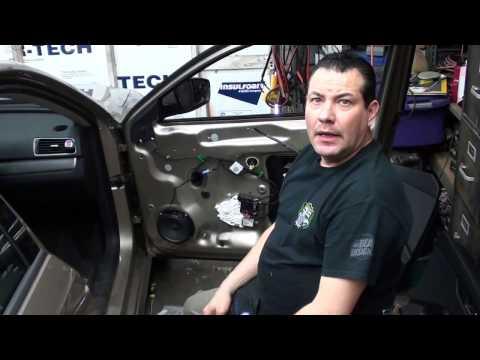
Step 1: Remove the rear door trim panel
- Use a trim panel removal tool to pop off the trim covers and release the panel clips.
- Use a Torx T20 screwdriver to remove the visible screws around the pull handle and lower edge.
- Lift the door panel upward to release it from the window ledge.
- Disconnect the electrical connectors carefully. Do not force any plug.
Step 2: Remove the moisture barrier
- Use a flat plastic pry tool to peel back the vapor barrier slowly.
- Keep the butyl seal clean so it can be reused or resealed later.
- Do not tear the barrier.
Step 3: Disconnect the latch linkages
- Use a pick tool and needle-nose pliers to release the inner handle rod and lock linkage clips.
- Note the routing of each rod before removal so it goes back the same way.
- Disconnect the electrical connector from the actuator/latch assembly.
Step 4: Remove the latch assembly
- Use a Torx T30 screwdriver to remove the latch mounting screws on the door edge.
- Slide the latch assembly out through the service opening in the door.
- If the handle linkage keeps it from coming out, reposition the rods and try again.
Step 5: Install the new actuator/latch assembly
- Position the new rear door lock actuator / latch assembly into the door.
- Reconnect the electrical connector.
- Reconnect all rods and clips in the same positions as before.
- Install the latch screws and tighten with a Torx T30 screwdriver.
- Torque to 8 Nm (71 in-lbs).
Step 6: Test the latch before reassembly
- Reconnect the battery temporarily if needed and test the lock and unlock function.
- Check that the inside handle, outside handle, and power lock all operate correctly.
- If the door will not close properly, recheck the rod positions.
Step 7: Reinstall the vapor barrier and door panel
- Press the vapor barrier back into place. Add vapor barrier butyl tape if the seal no longer sticks.
- Reconnect all door panel electrical connectors.
- Hang the door panel on the top edge first, then press the clips into place.
- Reinstall all Torx T20 screws and trim covers.
✅ After Repair
- Test the rear door lock with the key fob, interior switch, and door handle.
- Make sure the door opens from both inside and outside.
- Check that the panel sits flush and no clips are loose.
- Confirm the window moves freely and the door seal is seated correctly.
💰 DIY vs Shop Cost
Shop Cost: $450-$850 (parts + labor)
DIY Cost: $120-$280 (parts only)
You Save: $330-$570 by doing it yourself!
Shop labor rates vary but typically run $100-$150/hour. This repair takes a shop approximately 2-3 hours.
🎯 Ready to get started?
HowToo makes it easy: same-day/2-day shipping on every part, plus all the tools and specialty tools you need! Check out the parts and tools sections below to add everything to your cart.