













How to Replace the Rear Door Lock Actuator (Latch) on a 2018 Volkswagen Golf
Step-by-step rear door latch actuator replacement with tools, parts list, torque specs, and safety tips for 2014, 2015, 2016, 2017, 2018, 2019
How to Replace the Rear Door Lock Actuator (Latch) on a 2018 Volkswagen Golf
Step-by-step rear door latch actuator replacement with tools, parts list, torque specs, and safety tips for 2014, 2015, 2016, 2017, 2018, 2019


🔧 Golf - Rear Door Lock Actuator Replacement
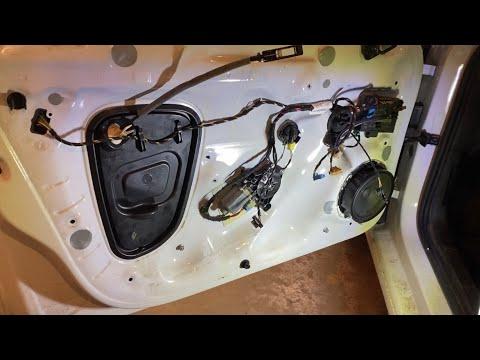
On your Golf, the “door lock actuator” is part of the rear door latch assembly inside the door. Replacing it restores normal locking/unlocking (key fob, interior switch, and door handle function) when the actuator motor or latch mechanism fails.
Difficulty Level: Advanced | Estimated Time: 2.5-4.5 hours
⚠️ Safety & Precautions
- ⚠️ Work with the window fully up before starting; glass can drop suddenly.
- ⚠️ If you disconnect any electrical connectors, do not turn the ignition on until everything is reconnected.
- ⚠️ Use jack stands only if you must lift the car; for this job, keep it parked on level ground.
- ⚠️ Wear safety glasses when prying clips; they can pop loose fast.
- ⚠️ Battery disconnect is recommended to prevent accidental shorts.
🔧 Required Tools
You'll need the following tools for this repair:
- Safety glasses
- Mechanic gloves
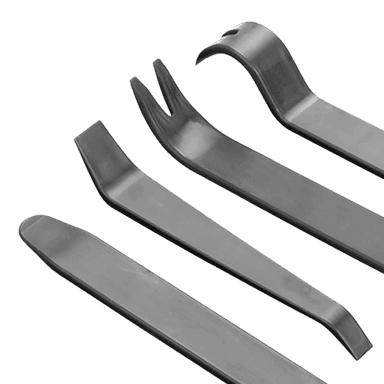
- Trim removal tool set
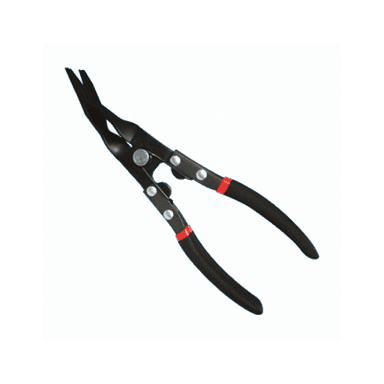
- Panel clip pliers
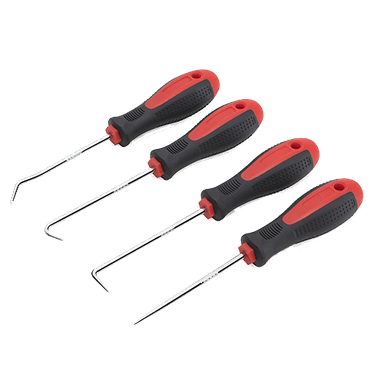
- Pick tool
- Torx T20 bit
- Torx T25 bit
- Torx T30 bit
- M8 triple-square (XZN) bit
- 10mm socket
- Ratchet
- 3-inch extension
- Torque wrench (5–60 Nm range)
- Painter’s tape
- Magnetic parts tray
- Flashlight
🔩 Required Parts
HowToo sells all the parts you need for this repair:
- Rear door lock actuator/latch assembly - Qty: 1
- Door panel clip set - Qty: 1
- Butyl sealant (vapor barrier adhesive) - Qty: 1
📋 Before You Begin
- Park on level ground, shift to 1st gear, and set the parking brake.
- Use 10mm socket to disconnect the negative battery terminal, then wait 2 minutes.
- Lower the rear window slightly if needed to access clamp bolts later, then raise it fully before removing the glass.
- Take photos of connectors before unplugging.
🔨 Step-by-Step Instructions
Follow these steps in order:
Step 1: Remove the rear door trim panel
- Use a trim removal tool set to pry up the switch trim and any small covers hiding screws.
- Remove the door-pull/handle screws using the correct Torx T20 bit or Torx T25 bit (fastener sizes vary by handle screw location).
- Use a trim removal tool set to pop the panel clips free around the edges, then lift the panel upward to unhook it from the window ledge.
- Disconnect electrical connectors using a pick tool only on the connector lock tab (don’t pull on wires).
Step 2: Remove the vapor barrier (water shield)
- Peel back the vapor barrier slowly using a trim removal tool set.
- If the butyl adhesive strings out, use mechanic gloves and roll it off your fingers.
- Plan to reseal it fully later with butyl sealant to prevent water leaks.
Step 3: Secure the window glass before loosening anything
- Apply painter’s tape from the outside of the glass over the door frame (2–3 long strips) to hold the glass up.
- Use a flashlight to locate the window regulator clamp access holes in the inner door area.
Step 4: Release the window glass from the regulator (if required for access)
- Use a Torx T30 bit to loosen the regulator clamp bolts through the access holes (do not fully remove them).
- Carefully lift the glass fully up by hand and add more painter’s tape to keep it secured.
- If the glass slips, stop and re-tape.
Step 5: Remove the inner carrier panel (inner metal panel)
- Disconnect any remaining connectors clipped to the carrier using a pick tool.
- Remove the carrier panel bolts using a Torx T30 bit and ratchet.
- Support the panel as you pull it away so wiring is not stretched.
- When reinstalling carrier panel fasteners: Torque to 9 Nm (80 in-lbs).
Step 6: Remove the rear door latch/actuator assembly
- At the door edge (where the latch meets the body), remove the latch mounting bolts using an M8 triple-square (XZN) bit and ratchet.
- Disconnect the latch electrical connector using a pick tool on the lock tab.
- Unclip the inside door handle cable (Bowden cable) from the latch. (A Bowden cable is the cable with a metal end that hooks into the latch.) Use a trim removal tool set to gently open the cable retainer.
- Work the latch/actuator out through the door opening.
- When reinstalling latch mounting bolts: Torque to 8 Nm (71 in-lbs).
Step 7: Install the new latch/actuator assembly
- Position the new latch in the same orientation as the old one.
- Reconnect the latch electrical connector until it clicks (use flashlight to confirm it’s fully seated).
- Reconnect and secure the inside handle cable into its retainer (use trim removal tool set if needed).
- Install latch bolts using M8 triple-square (XZN) bit and torque wrench: Torque to 8 Nm (71 in-lbs).
Step 8: Reinstall the carrier panel and window glass
- Reposition the carrier panel and start all bolts by hand to avoid cross-threading.
- Tighten carrier panel bolts using Torx T30 bit and torque wrench: Torque to 9 Nm (80 in-lbs).
- Carefully lower the glass into the regulator clamps, then tighten clamp bolts using Torx T30 bit: Torque to 10 Nm (89 in-lbs).
- Remove all painter’s tape from the window.
Step 9: Reseal the vapor barrier and reinstall the door panel
- Use butyl sealant to fully reseal the vapor barrier all the way around (no gaps).
- Reconnect all door panel electrical connectors (use flashlight to verify each lock tab is engaged).
- Hang the door panel on the top lip first, then press clips in around the perimeter.
- Reinstall screws using Torx T20 bit or Torx T25 bit (tighten snug; do not over-tighten into plastic).
Step 10: Reconnect the battery
- Reconnect the negative battery terminal using a 10mm socket.
✅ After Repair
- Test the rear door: lock/unlock with key fob and interior switch.
- Verify inside and outside handles open the door normally.
- Confirm the window goes up/down smoothly and seals at the top.
- Check that the door locks without unusual grinding or clicking.
- After the next rain or car wash, re-check for damp carpet (sign of vapor barrier leak).
💰 DIY vs Shop Cost
Shop Cost: $350-$750 (parts + labor)
DIY Cost: $120-$280 (parts only)
You Save: $230-$470 by doing it yourself!
Shop labor rates vary but typically run $100-$150/hour. This repair takes a shop approximately 2.5-4.5 hours.
🎯 Ready to get started?
HowToo makes it easy: same-day/2-day shipping on every part, plus all the tools and specialty tools you need! Check out the parts and tools sections below to add everything to your cart.