















How to Replace the Rear Door Lock Actuator (Latch) on a 2016 Acura TLX
Step-by-step rear door panel removal, latch/actuator install, tools, parts, and 71 in-lb torque spec
How to Replace the Rear Door Lock Actuator (Latch) on a 2016 Acura TLX
Step-by-step rear door panel removal, latch/actuator install, tools, parts, and 71 in-lb torque spec


🔧 TLX - Rear Door Lock Actuator Replacement
On your TLX, the rear door lock actuator is built into the door latch assembly. Replacement means removing the interior door panel, unplugging the latch wiring, disconnecting the handle/link connections, then swapping the latch/actuator unit.
Difficulty Level: Intermediate | Estimated Time: 1.5-3.0 hours (one door)
⚠️ Safety & Precautions
- ⚠️ Work on a level surface, ignition OFF, key fob away from the car.
- ⚠️ Wear safety glasses; door-panel clips can pop loose suddenly.
- ⚠️ Keep fingers clear of sharp door-shell edges inside the door.
- ⚠️ Optional but recommended: disconnect the negative battery cable to avoid accidental shorts while unplugging connectors.
- ⚠️ Don’t tear the clear vapor barrier; it prevents water leaks and wind noise.
🔧 Required Tools
You'll need the following tools for this repair:
- 10mm socket
- 1/4" ratchet
- 6" extension (1/4" drive)
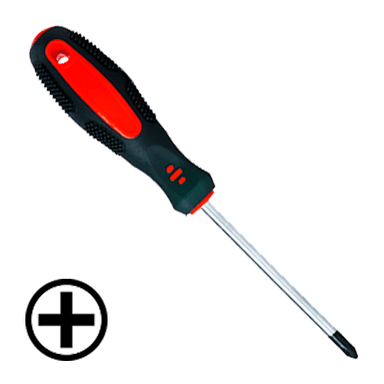
- Phillips #2 screwdriver
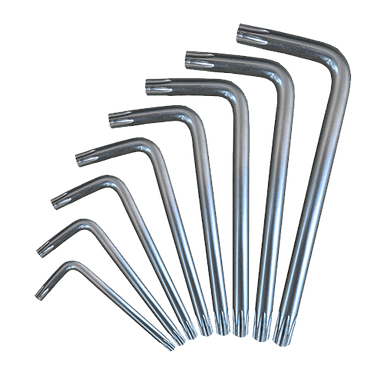
- Torx T30 screwdriver
- Trim/panel clip removal tool
- Small flat-blade screwdriver
- Needle-nose pliers
- Pick tool
- Flashlight
- Torque wrench (in-lb)
- Painter’s tape
- Magnetic parts tray
- Mechanic gloves
- Safety glasses
🔩 Required Parts
HowToo sells all the parts you need for this repair:
- Rear door latch/lock actuator assembly (left or right, as needed) - Qty: 1
- Door panel retaining clips - Qty: 5-10 (as needed)
- Butyl tape (vapor barrier adhesive) - Qty: 1
📋 Before You Begin
- Park on level ground and lower the rear window about 1-2 inches (this can make panel removal easier), then turn ignition OFF.
- If disconnecting the battery: use a 10mm socket to remove the negative cable and isolate it so it can’t spring back.
- Set up a magnetic parts tray so screws don’t get lost.
🔨 Step-by-Step Instructions
Follow these steps in order:
Assumption: common TLX rear latch fasteners are Torx T30.
Step 1: Remove trim covers and visible screws
- Use a trim/panel clip removal tool or small flat-blade screwdriver to carefully pop off the small trim cover behind the interior door handle (start at an edge and pry gently).
- Remove the screw behind that cover using a Phillips #2 screwdriver.
- Check the armrest/pull-handle area for another screw hidden behind a small cap; remove the cap with a pick tool, then remove the screw with a Phillips #2 screwdriver.
Step 2: Remove the rear door panel
- Starting at the bottom corner, slide the trim/panel clip removal tool between the panel and the door and pop the clips free one-by-one.
- Lift the door panel straight upward to unhook it from the window ledge.
- Unplug the electrical connectors (window switch, courtesy light, etc.) by pressing the locking tab with your thumb or a pick tool, then pulling straight out.
- If equipped with a cable for the inside handle: note its routing, then unhook it (a “cable” is a wire inside a sleeve; rotate the plastic holder out, then lift the cable end out of the lever).
Step 3: Peel back the vapor barrier
- Use your hands to slowly peel the clear plastic vapor barrier back around the rear-latch area.
- If the adhesive stretches or won’t stick later, plan to reseal it with butyl tape.
Step 4: Disconnect latch wiring and handle/link connections
- Locate the latch/actuator electrical connector near the rear edge of the door and unplug it (press the tab, pull straight out).
- Using needle-nose pliers, release the plastic retaining clips for the lock rod and/or handle rod (flip the clip open, then lift the rod out).
- If your TLX uses cables instead of rods: rotate the cable housing out of its bracket, then unhook the cable end from the latch lever.
- Take a photo before disconnecting anything.
Step 5: Remove the latch/actuator assembly
- At the rear edge of the door (where the latch meets the body), remove the three latch mounting screws using a Torx T30 screwdriver.
- Support the latch with your hand through the access opening, then maneuver it out of the door shell.
- Torque note (reinstall): Torque to 8 Nm (71 in-lbs) for the latch mounting screws.
Step 6: Install the new latch/actuator assembly
- Transfer any brackets/foam pieces from the old latch to the new one if they didn’t come installed (use a Phillips #2 screwdriver or your hands as needed).
- Position the new latch into the door and start the screws by hand to avoid cross-threading.
- Tighten the latch screws using a Torx T30 screwdriver, then finish with a torque wrench (in-lb): Torque to 8 Nm (71 in-lbs).
- Reconnect the rods/cables and snap the retaining clips fully closed (they must lock, or the handle may not work).
- Plug in the latch electrical connector until it clicks.
Step 7: Reseal the vapor barrier
- Press the vapor barrier back into place all the way around.
- If needed, add butyl tape to reseal gaps (gaps can cause water leaks onto the carpet).
Step 8: Reinstall the door panel
- Reconnect all electrical connectors (push until they click).
- Hook the top of the door panel onto the window ledge first, then align the clips.
- Press around the perimeter with your hands to snap the clips in.
- Reinstall the screws using a Phillips #2 screwdriver, then reinstall the trim caps (press them back on by hand).
Step 9: Reconnect the battery (if disconnected)
- Reconnect the negative cable using a 10mm socket and tighten it securely.
✅ After Repair
- With the door OPEN, test lock/unlock using the key fob and the driver switch.
- Test the inside and outside rear door handles for smooth operation.
- Test the child safety lock (if equipped) and confirm the door opens correctly.
- Check the rear window and door speaker (if equipped) to confirm connectors are seated.
- After the next rain or car wash, check the rear floor area for moisture (vapor barrier seal check).
💰 DIY vs Shop Cost
Shop Cost: $250-$550 (parts + labor)
DIY Cost: $90-$220 (parts only)
You Save: $160-$330 by doing it yourself!
Shop labor rates vary but typically run $100-$150/hour. This repair takes a shop approximately 1.5-2.5 hours.
🎯 Ready to get started?
HowToo makes it easy: same-day/2-day shipping on every part, plus all the tools and specialty tools you need! Check out the parts and tools sections below to add everything to your cart.