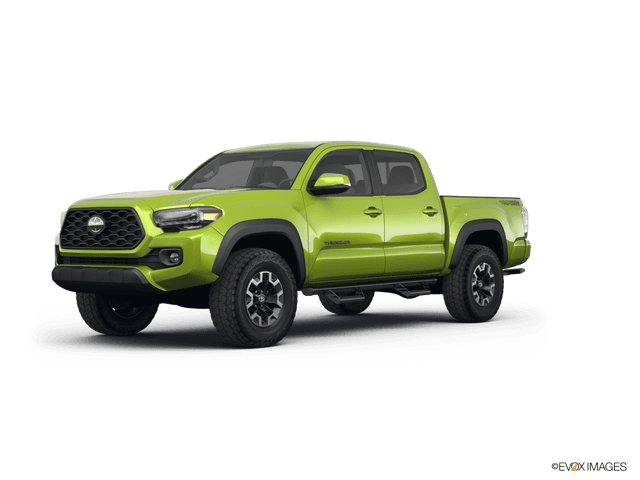














How to Replace the Radiator Hoses on a 2022 Toyota Tacoma
Step-by-step DIY Tacoma radiator hose replacement with tools, parts list, coolant refill, bleeding, safety tips, and cost savings
How to Replace the Radiator Hoses on a 2022 Toyota Tacoma
Step-by-step DIY Tacoma radiator hose replacement with tools, parts list, coolant refill, bleeding, safety tips, and cost savings


🔧 Tacoma - Radiator Hose Replacement
We’ll replace the leaking or worn radiator hose and refill the cooling system so your engine stays at the correct temperature. I’ll walk you through it slowly so it’s safe and doable at home.
Difficulty Level: Beginner-Intermediate | Estimated Time: 1–2 hours
⚠️ Safety & Precautions
- 🔥 Only work on the cooling system when the engine is completely cold. Hot coolant can cause serious burns.
- 🧯 Never open the radiator cap on a hot engine. Wait at least 1–2 hours after driving.
- 🧪 Coolant is poisonous to people and animals. Keep it off skin and away from children and pets.
- ⚡ You do not need to disconnect the battery for this job.
- 🧊 Use the correct Toyota-approved coolant; mixing types can cause sludge and overheating.
- ♻️ Plan ahead to catch and properly dispose of old coolant—don’t dump it on the ground or in drains.
🔧 Required Tools
You'll need the following tools for this repair:
- Floor jack (rated 3-ton minimum)
- Jack stands (rated 3-ton minimum)
- Wheel chocks
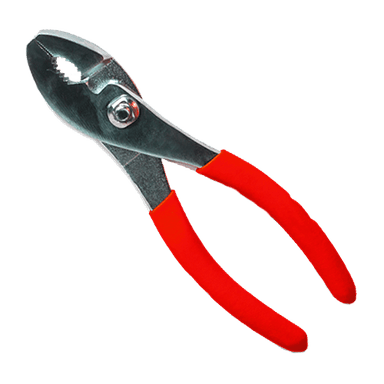
- Pliers (standard 8")
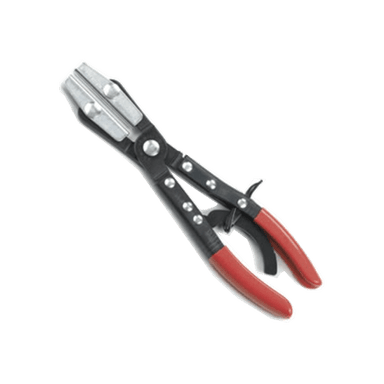
- Hose clamp pliers (specialty)
- Flathead screwdriver (6")
- Ratchet handle (3/8" drive)
- 10mm socket
- Drain pan (at least 10-liter capacity)
- Plastic trim tool set
- Utility knife or hose pick tool (specialty)
- Small wire brush
- Shop rags or paper towels
- Funnel with small spout
- Safety glasses
- Mechanic gloves
🔩 Required Parts
HowToo sells all the parts you need for this repair:
- Radiator upper hose (engine to top of radiator) - Qty: 1
- Radiator lower hose (engine to bottom of radiator) - Qty: 1
- Radiator hose clamps (correct size for Tacoma) - Qty: 4 (replace in pairs)
- Toyota Super Long Life Coolant (pink, premixed 50/50) - Qty: 2–3 gallons
- Coolant reservoir cap (optional, if old/brittle) - Qty: 1
- Radiator cap (optional, if seal is cracked) - Qty: 1
📋 Before You Begin
- Park your Tacoma on level ground, shift to P, and set the parking brake.
- Let the engine cool completely—ideally overnight.
- Place wheel chocks behind the rear wheels.
- Gather tools and parts so you don’t have to stop mid-job.
- Identify both hoses:
- Upper hose: runs from top of radiator to engine.
- Lower hose: runs from bottom of radiator to engine, accessed more from below.
🔨 Step-by-Step Instructions
Follow these steps in order:
Step 1: Confirm which hose(s) you’re replacing
- Look for wet spots, dried coolant crust, or cracks on the hoses.
- If one hose is bad, it’s wise to replace both while the coolant is drained. Labor is the same, parts are cheap.
Step 2: Raise the front (mainly for lower hose)
- Use the floor jack (3-ton) under the front center jacking point (crossmember behind the front bumper).
- Lift until you have good access underneath.
- Place jack stands (3-ton) under the frame rails and lower the truck onto them. Do not rely only on the jack.
Step 3: Remove the skid plate (if needed for access)
- Use a 10mm socket and ratchet handle (3/8" drive) to remove the bolts holding the front skid plate.
- Support the skid plate with one hand so it doesn’t drop when the last bolts come out.
- Set the skid plate and bolts aside in order. Lay bolts in a pattern to remember locations.
Step 4: Drain some coolant
- Place the drain pan (10-liter) under the lower radiator hose area.
- Slowly loosen the radiator cap by hand to release any remaining pressure, then remove it fully once you’re sure it’s not hot.
- You can either:
- Open the radiator drain petcock (if accessible) by hand, or
- Crack the lower hose loose slightly to let coolant run into the pan.
- Drain at least 4–5 liters so removing the hose doesn’t dump coolant everywhere.
Step 5: Remove the upper radiator hose
- Use hose clamp pliers (specialty) or regular pliers (8") to squeeze the spring clamp at the radiator side of the upper hose.
- Slide the clamp back along the hose a few centimeters away from the radiator fitting.
- Do the same at the engine side.
- Use a flathead screwdriver (6") very gently to lift the hose edge and break it free if it’s stuck.
- Twist the hose back and forth by hand to loosen it, then pull it off both ends.
- Use a utility knife or hose pick tool (specialty) to carefully cut the hose along its length if it’s badly stuck; do not cut into the metal or plastic nipple.
Step 6: Remove the lower radiator hose
- From underneath, repeat the same process for the lower hose:
- Use hose clamp pliers or pliers (8") to squeeze and slide back the clamps at both ends.
- Carefully break the seal with a flathead screwdriver if needed.
- Twist and pull the hose off both fittings.
- More coolant will likely come out as you remove this hose—keep the drain pan directly underneath.
Step 7: Clean the hose sealing surfaces
- Use a small wire brush to gently clean the metal or plastic nipples where the hoses attach.
- Wipe them with shop rags until smooth and free of old rubber or corrosion.
- Clean surfaces help prevent new leaks.
Step 8: Install the new upper hose
- Compare the new upper hose with the old one to match shape and length.
- Slide the new hose clamps onto the hose first.
- Push the hose fully onto the radiator nipple until it stops.
- Push the other end fully onto the engine nipple.
- Use hose clamp pliers to position the clamps:
- Centers of the clamps should sit over the raised bead on the nipple.
- For screw-type clamps (if you use them), use a flathead screwdriver (6") to tighten them snugly. Toyota does not give a torque spec here; tighten until the hose slightly compresses but do not strip the clamp.
Step 9: Install the new lower hose
- Match the new lower hose to the old one for orientation.
- Slide the hose clamps onto the hose.
- Push the hose firmly onto the radiator side nipple, then the engine side.
- Use hose clamp pliers to set the spring clamps in the same positions as original—over the raised bead.
- If using screw clamps, tighten with a flathead screwdriver (6") until snug, without deforming the hose.
Step 10: Reinstall skid plate and lower the truck
- Lift the skid plate into place and start all bolts by hand to avoid cross-threading.
- Use a 10mm socket and ratchet (3/8") to tighten the bolts snugly. Typical skid plate bolts are around 20–25 Nm (15–18 ft-lbs); do not overtighten into aluminum.
- Use the floor jack to lift the front slightly, remove the jack stands, and lower the Tacoma to the ground.
Step 11: Refill the cooling system
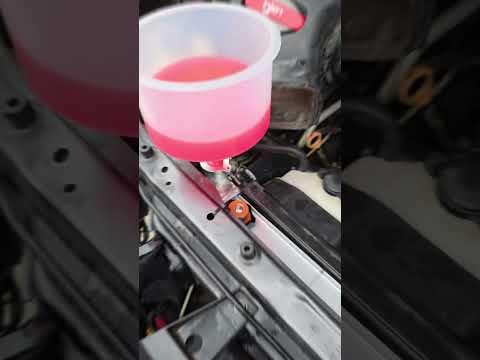
- Place a funnel with small spout into the radiator filler neck.
- Pour in Toyota Super Long Life Coolant (pink, premixed) slowly until it’s full at the radiator neck.
- Fill the coolant reservoir to the “FULL” or “MAX” line.
Step 12: Bleed air from the system
- Leave the radiator cap off for now.
- Start the engine and let it idle.
- Turn the heater to HOT and the fan to medium so coolant circulates through the heater core.
- Watch the coolant level at the radiator neck:
- Add more coolant as the level drops.
- You may see bubbles as air works its way out.
- Once the engine reaches normal operating temperature and bubbles mostly stop, top off the radiator.
- Install the radiator cap securely by hand.
Step 13: Final checks for leaks
- With the engine still idling, look closely at:
- Both ends of the upper hose.
- Both ends of the lower hose.
- Under the truck for any dripping.
- If you see any seepage, shut the engine off and use hose clamp pliers or a flathead screwdriver to slightly tighten or reposition the clamp.
Step 14: Cool down and recheck the level
- Turn the engine off and let the Tacoma cool completely again (at least 1 hour).
- Once cool, remove the radiator cap and check the level; top off if needed.
- Check the reservoir and fill to the “FULL” mark.
✅ After Repair
- Take a short drive (10–15 minutes) while watching the temperature gauge—make sure it stays in the normal range.
- After the drive, park, shut off the engine, and check under the truck and around both hoses for any new leaks.
- The next morning (engine cold), recheck coolant in the radiator and reservoir and top off if it dropped.
- Inspect the hoses again after a few days of driving to ensure clamps stayed in place.
💰 DIY vs Shop Cost
Shop Cost: $250–$450 (parts + labor)
DIY Cost: $80–$160 (parts only, both hoses + coolant)
You Save: $170–$290 by doing it yourself!
Shop labor rates vary but typically run $100–$150/hour. This repair takes a shop approximately 1.0–1.5 hours.
🎯 Ready to get started?
HowToo makes it easy: same-day/2-day shipping on every part, plus all the tools and specialty tools you need! Check out the parts and tools sections above to add everything to your cart.