














How to Replace the Radiator Hoses on a 2021 Nissan Rogue
Step-by-step DIY radiator hose replacement with tools, parts list, coolant bleeding, safety tips, and cost savings
How to Replace the Radiator Hoses on a 2021 Nissan Rogue
Step-by-step DIY radiator hose replacement with tools, parts list, coolant bleeding, safety tips, and cost savings


🔧 Rogue - Radiator Hose Replacement
You’ll be removing the old radiator hose, draining some coolant, and installing a new hose with fresh clamps. This keeps the engine from overheating and prevents coolant leaks.
Difficulty Level: Beginner-Intermediate | Estimated Time: 1-2 hours
⚠️ Safety & Precautions
- 🔥 Never open the coolant system when the engine is hot; hot coolant can spray and cause serious burns.
- ⚡ Keep the engine off and key out of the ignition while working in the engine bay.
- 🧤 Wear gloves and safety glasses to protect your skin and eyes from coolant.
- 🌬 Work in a well-ventilated area; avoid inhaling coolant fumes.
- ♻️ Do not dump coolant on the ground; collect it in a pan and dispose of it properly.
- 🔌 Battery disconnect is not required for this job, but keep tools away from battery terminals.
🔧 Required Tools
You'll need the following tools for this repair:
- Ratchet handle 3/8"
- 10mm socket
- 8mm socket
- Socket extension 3"
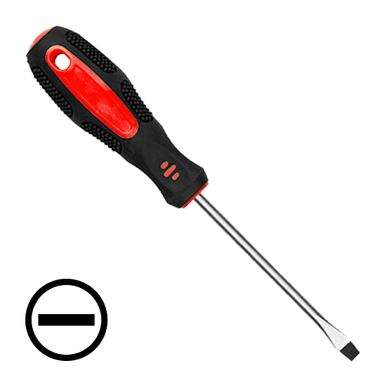
- Flathead screwdriver medium
- Hose clamp pliers (specialty)
- Long needle-nose pliers
- Plastic trim removal tool
- Drain pan 10-liter
- Small funnel
- Razor blade or hose pick tool (specialty)
- Shop towels or rags
- Work gloves
- Safety glasses
- OBD2-compatible scan tool (optional)
🔩 Required Parts
HowToo sells all the parts you need for this repair:
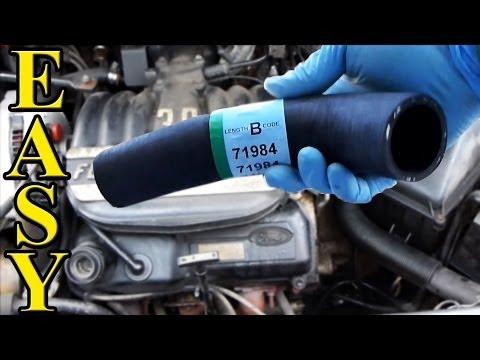
- Upper radiator hose (engine to top of radiator) - Qty: 1
- Lower radiator hose (engine to bottom of radiator) - Qty: 1
- Radiator hose clamps (spring or worm-gear, correct size) - Qty: 4
- Nissan-approved coolant (blue long-life, premixed if available) - Qty: 2-3 gallons
- Coolant-safe hose lubricant spray or a drop of coolant - Qty: small amount
Most people replace both upper and lower hoses together.
📋 Before You Begin
- Park your Rogue on level ground, set the parking brake, and place the transmission in Park.
- Let the engine cool completely; it should be cool to the touch before you open the coolant system.
- Turn off all electrical accessories and remove the key/fob from the vehicle.
- Open the hood using the hood release inside, then the safety latch at the front of the hood.
- Place the drain pan under the front of the vehicle, below the radiator area.
🔨 Step-by-Step Instructions
Follow these steps in order:
Step 1: Identify the radiator hoses
- The upper radiator hose runs from the top of the radiator (front of the car, driver side) to the engine’s thermostat housing at the front of the engine.
- The lower radiator hose runs from the bottom of the radiator to the water pump area on the engine.
- On your Rogue, both hoses use spring clamps from the factory.
- Take a picture before removing anything.
Step 2: Remove the engine cover (if equipped)
- Use your hands to gently pull up on the plastic engine cover; it is held by rubber grommets.
- If any small 10mm bolts are present, use the 10mm socket and ratchet handle 3/8" to remove them.
- Set the cover aside somewhere safe.
Step 3: Relieve any residual pressure
- Slowly open the coolant reservoir cap (plastic tank on the side of the engine bay).
- If you hear a light hiss, wait until it stops, then fully remove the cap.
- If coolant rises, close cap and wait longer.
Step 4: Drain some coolant
- Slide the drain pan 10-liter under the radiator lower area.
- The 2021 Rogue usually has a lower radiator hose removal instead of a big drain plug; we will loosen the lower hose to drain.
- Use the hose clamp pliers (specialty) to squeeze the clamp on the lower radiator hose where it meets the radiator.
- Slide the clamp back several centimeters along the hose.
- Use the flathead screwdriver medium gently at the hose lip to break it free, then twist the hose and pull it off the radiator fitting, letting coolant drain into the pan.
- Move slowly so coolant doesn’t splash.
Step 5: Remove the lower radiator hose fully
- After most coolant has drained, move the drain pan 10-liter under the engine-side connection of the same hose.
- Use the hose clamp pliers (specialty) again to squeeze the clamp at the engine end and slide it back.
- Twist the hose by hand. If stuck, use the razor blade or hose pick tool (specialty) to carefully break the seal between hose and metal fitting. Do not cut into the fitting.
- Pull the hose off and remove it from the vehicle.
Step 6: Remove the upper radiator hose
- Move the drain pan 10-liter under the upper hose area to catch any remaining coolant.
- Use the hose clamp pliers (specialty) to compress the clamp on the radiator side of the upper hose and slide it back.
- Twist the hose and pull it off the radiator fitting.
- Repeat on the engine side of the upper hose using the hose clamp pliers (specialty) and remove the hose completely.
- If stubborn, use the razor blade or hose pick tool (specialty) gently to free it.
Step 7: Clean the fittings
- Use shop towels or rags to wipe the metal or plastic pipe ends on the radiator and engine where hoses were attached.
- Remove old rubber residue and corrosion so the new hose seals properly.
- Clean surfaces help prevent leaks.
Step 8: Install the new lower radiator hose
- Compare the new lower hose to the old one to ensure length and bends match.
- Slide new radiator hose clamps onto each end of the new hose before installing.
- Apply a drop of fresh coolant to the inside of each hose end as a light lubricant.
- Push one end of the hose fully onto the radiator lower fitting by hand.
- Use the hose clamp pliers (specialty) to position the clamp over the raised bead on the fitting.
- Repeat for the engine-side fitting of the lower hose.
- Clamp should sit just behind the raised ridge.
Step 9: Install the new upper radiator hose
- Compare the new upper hose with the old one for shape and length.
- Slide new radiator hose clamps onto each end.
- Lightly wet the inside of the hose ends with coolant.
- Install one end onto the radiator upper fitting and the other end onto the engine thermostat housing fitting.
- Use the hose clamp pliers (specialty) to move clamps into place over the raised beads at both connections.
Step 10: Check hose routing and clearance
- Make sure both hoses follow the same path as the originals.
- Hoses must not rub on fans, belts, or sharp edges.
- Adjust clamp angles so future access is possible, without touching moving parts.
Step 11: Refill coolant
- Confirm the drain pan 10-liter is no longer needed under the car.
- Place a small funnel in the coolant reservoir.
- Slowly pour Nissan-approved coolant (premixed, or mixed with distilled water if concentrate) into the reservoir up to the MAX line.
- Fill slowly to reduce trapped air.
Step 12: Bleed air from the cooling system
- Leave the reservoir cap off for now.
- Start the engine and let it idle with the heater set to HOT and fan on low.
- Watch the coolant level in the reservoir; as air bubbles out, the level may drop.
- Add more coolant through the small funnel as needed to keep it near the MAX line.
- When the engine reaches normal temperature and the cabin heater blows hot air, most air is out.
- Install the reservoir cap firmly.
Step 13: Reinstall engine cover
- Place the engine cover back in position.
- Press down firmly at the corners to seat the rubber grommets.
- If bolts were removed, reinstall them with the 10mm socket and ratchet handle 3/8". Torque to 9 Nm (7 ft-lbs).
Step 14: Final leak check
- With the engine still idling, inspect all four hose connections closely.
- Use shop towels or rags to wipe around each joint and check for fresh coolant.
- Look under the vehicle for drips for several minutes.
- Shut the engine off and let it cool completely, then recheck the coolant level and top up if needed.
✅ After Repair
- Take a short drive, then park and check for coolant smells or visible leaks around the hoses.
- After the engine cools, recheck the coolant level in the reservoir and adjust to the MAX line if needed.
- Monitor the temperature gauge over the next few drives; it should stay in the normal middle range.
- If you have a OBD2-compatible scan tool, you can check for any stored coolant temperature-related codes and clear them if no issues are present.
💰 DIY vs Shop Cost
Shop Cost: $250-$450 (parts + labor)
DIY Cost: $80-$160 (parts only)
You Save: $170-$290 by doing it yourself!
Shop labor rates vary but typically run $100-$150/hour. This repair takes a shop approximately 1.0-1.5 hours.
🎯 Ready to get started?
HowToo makes it easy: same-day/2-day shipping on every part, plus all the tools and specialty tools you need! Check out the parts and tools sections above to add everything to your cart.
Guide for Radiator Coolant Hose replace for these Nissan vehicles
| Year Make Model | Sub Model | Engine | Body Style |
|---|