









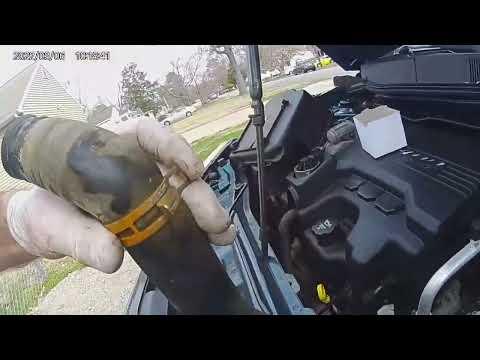







How to Replace the Radiator Hoses on a 2018-2025 Chevrolet Equinox (Engine: Inline 4 1.5L)
Step-by-step DIY guide with tools, parts list, coolant refill, bleeding, safety tips, and cost savings
How to Replace the Radiator Hoses on a 2018-2025 Chevrolet Equinox (Engine: Inline 4 1.5L)
Step-by-step DIY guide with tools, parts list, coolant refill, bleeding, safety tips, and cost savings for 2018, 2019, 2020, 2021, 2022, 2023, 2024, 2025


🔧 Equinox - Radiator Hose Replacement
You’ll be removing the old radiator hose, draining some coolant, then installing a new hose and refilling the system. This keeps your engine from overheating and prevents leaks that could strand you.
Difficulty Level: Beginner-Intermediate | Estimated Time: 1–2 hours
⚠️ Safety & Precautions
- ⚠️ Never open the coolant system when the engine is hot; let the engine cool at least 1–2 hours.
- ⚠️ Coolant is poisonous; keep away from children, pets, and skin. Clean spills right away.
- ⚠️ Support the front of your Equinox securely with jack stands; never rely on a jack alone.
- ⚠️ Keep tools, hands, and clothing away from the cooling fan; it can start anytime with the key on.
- ⚠️ Disconnect the negative battery cable if you’ll have hands near the fan wiring or harness.
🔧 Required Tools
You'll need the following tools for this repair:
- 🛠️ Floor jack (rated 3-ton minimum)
- 🛠️ Jack stands (rated 3-ton minimum) - Qty: 2
- 🛠️ Wheel chocks
- 🛠️ Safety glasses
- 🛠️ Mechanic gloves
- 🛠️ Drain pan (10-liter capacity)
- 🛠️ Pliers (standard slip-joint)
- 🛠️ Hose clamp pliers (specialty)
- 🛠️ Flathead screwdriver (medium)
- 🛠️ Ratchet 3/8"
- 🛠️ 10mm socket
- 🛠️ Torx T20 screwdriver
- 🛠️ Plastic trim clip removal tool (specialty)
- 🛠️ Shop towels or rags
- 🛠️ Small brass wire brush
- 🛠️ Funnel with small spout
- 🛠️ Coolant hydrometer or tester (specialty)
🔩 Required Parts
HowToo sells all the parts you need for this repair:
- 🔩 Upper radiator hose (engine to top of radiator) - Qty: 1
- 🔩 Lower radiator hose (engine to bottom of radiator) - Qty: 1
- 🔩 Radiator hose clamps (constant-tension type, correct size) - Qty: 4
- 🔩 Dex-Cool coolant (50/50 premix, orange) - Qty: 2–3 gallons
- 🔩 Distilled water - Qty: 1 gallon (for top-off if using concentrate)
- 🔩 Coolant-safe RTV or O-ring lubricant (if specified with hose) - Qty: 1
📋 Before You Begin
- Park your Equinox on level ground, set the parking brake, and place wheel chocks behind the rear wheels.
- Let the engine cool completely; the upper radiator hose should be cool to the touch.
- Open the hood and locate the radiator cap on the coolant reservoir, the upper hose (top of radiator to engine), and lower hose (bottom of radiator to engine).
- If you’ll be working near wiring or the fan, disconnect the negative battery cable using a 10mm socket.
- Have your drain pan ready under the front of your Equinox before loosening any hose.
🔨 Step-by-Step Instructions
Follow these steps in order:
Step 1: Lift and Support the Front
- Use the floor jack (rated 3-ton minimum) to lift the front of your Equinox at the front center jacking point behind the radiator support.
- Place jack stands (rated 3-ton minimum) under the pinch welds on both sides and gently lower the vehicle onto them.
- Ensure the vehicle is stable before crawling underneath. Shake it slightly to confirm.
Step 2: Remove Lower Splash Shield (if equipped)
- Position the drain pan (10-liter capacity) under the radiator area, but don’t drain yet.
- Use the Torx T20 screwdriver to remove any Torx screws holding the front lower splash shield.
- Use the plastic trim clip removal tool (specialty) to pop out any plastic clips.
- Set the shield and clips aside where you can find them later.
Step 3: Relieve Residual Pressure
- Put on safety glasses and mechanic gloves.
- Slowly loosen the coolant reservoir cap by hand. If you hear hissing, pause until it stops, then fully remove it.
- Only do this if the engine is cold.
Step 4: Drain Coolant to Below Hose Level
- On this Equinox, it’s common to drain by loosening the lower hose: position the drain pan (10-liter capacity) under the lower radiator hose connection.
- Use pliers (standard slip-joint) or hose clamp pliers (specialty) to squeeze the lower hose clamp and slide it back along the hose.
- Gently twist the hose at the radiator connection by hand to break it loose, then pull it off and let coolant drain into the pan.
- Once the flow slows, temporarily push the hose back on loosely to stop dripping.
- Note: You won’t reuse old coolant if it’s dirty.
Step 5: Remove the Upper Radiator Hose
- Locate the upper hose from the top of the radiator to the engine.
- Use hose clamp pliers (specialty) or pliers (standard slip-joint) to compress the clamp at the radiator end and slide it away from the connection.
- Do the same at the engine end clamp.
- Use a flathead screwdriver (medium) gently under the edge of the hose if it’s stuck, then twist by hand and pull it off both ends.
- Remove the hose from any clips or guides along its route.
Step 6: Remove the Lower Radiator Hose (Properly Now)
- With coolant already partly drained, fully remove the lower hose.
- Use hose clamp pliers (specialty) or pliers (standard slip-joint) to slide both clamps away from their seats.
- Work the hose off at the radiator and at the engine side, twisting gently.
- Allow any remaining coolant to drain fully into the drain pan (10-liter capacity).
Step 7: Clean Hose Fittings
- Use the small brass wire brush to gently clean the metal or plastic hose necks on the radiator and engine where the hoses attach.
- Wipe with shop towels or rags so surfaces are smooth and free of old rubber or debris.
- Clean surfaces help prevent future leaks.
Step 8: Install the New Lower Radiator Hose
- Slide new radiator hose clamps onto each end of the new lower hose before installing it.
- Route the hose the same way as the original; avoid kinks or rubbing points.
- Push the hose fully onto the radiator neck using your hands until it seats against the stop.
- Push the other end fully onto the engine fitting.
- Use hose clamp pliers (specialty) to position each clamp over the raised bead on the fittings.
- Clamps must sit centered over the neck bead.
Step 9: Install the New Upper Radiator Hose
- Slide new radiator hose clamps onto each end of the new upper hose.
- Route the hose exactly like the old one; match bends and orientation.
- Push the hose fully onto the radiator neck, then onto the engine neck.
- Use hose clamp pliers (specialty) to move the clamps into position over each neck bead.
- Check that the hose isn’t rubbing sharp edges, belts, or the fan shroud.
Step 10: Reinstall Splash Shield
- Lift the lower splash shield into place.
- Install all clips using the plastic trim clip removal tool (specialty) to press them fully in.
- Install any screws with the Torx T20 screwdriver. No torque spec needed; snug by hand.
Step 11: Refill the Cooling System
- Lower your Equinox off the jack stands using the floor jack (rated 3-ton minimum).
- With the engine still off and cool, place a funnel with small spout in the coolant reservoir opening.
- Slowly pour Dex-Cool coolant (50/50 premix, orange) into the reservoir up to the “FULL COLD” mark.
- Wait a minute, then top up again if the level drops.
Step 12: Bleed Air from the System
- Leave the reservoir cap off for now.
- Start the engine and let it idle. Turn the heater to full hot and fan on medium.
- Watch the coolant level in the reservoir and the upper hose area.
- As the engine warms up, add more coolant with the funnel with small spout if the level drops.
- Once the upper hose feels warm (thermostat open), small bubbles may appear in the reservoir; allow them to clear.
- When bubbles stop and level stabilizes, top to “FULL HOT” or slightly below, then install the reservoir cap by hand.
- Stay clear of moving belts and fan.
Step 13: Final Checks for Leaks
- With the engine still idling, inspect all hose connections with a flashlight.
- Use shop towels or rags to wipe around each joint; recheck for fresh coolant.
- After 5–10 minutes, shut the engine off and let it cool completely.
- Recheck coolant level in the reservoir; adjust as needed using your funnel with small spout.
✅ After Repair
- Take a short test drive (10–15 minutes), watching the temperature gauge; it should stay in the normal range.
- Park, let the engine cool fully, and recheck for leaks at all hose connections.
- Check coolant level again the next morning when the engine is cold; adjust if needed to the “FULL COLD” mark.
- Use the coolant hydrometer or tester (specialty) to confirm proper coolant strength.
💰 DIY vs Shop Cost
Shop Cost: $280–$420 (parts + labor)
DIY Cost: $80–$150 (parts only)
You Save: $200–$270 by doing it yourself!
Shop labor rates vary but typically run $100–$150/hour. This repair takes a shop approximately 1.5–2.0 hours.
🎯 Ready to get started?
HowToo makes it easy: same-day/2-day shipping on every part, plus all the tools and specialty tools you need! Check out the parts and tools sections above to add everything to your cart.
Guide for Radiator Coolant Hose replace for these Chevrolet vehicles
| Year Make Model | Sub Model | Engine | Body Style |
|---|---|---|---|
| 2025 Chevrolet Equinox | - | Inline 4 1.5L | - |
| 2024 Chevrolet Equinox | - | Inline 4 1.5L | - |
| 2023 Chevrolet Equinox | - | Inline 4 1.5L | - |
| 2022 Chevrolet Equinox | - | Inline 4 1.5L | - |
| 2021 Chevrolet Equinox | - | Inline 4 1.5L | - |
| 2020 Chevrolet Equinox | - | Inline 4 1.5L | - |
| 2019 Chevrolet Equinox | - | Inline 4 1.5L | - |
| 2018 Chevrolet Equinox | - | Inline 4 1.5L | - |