









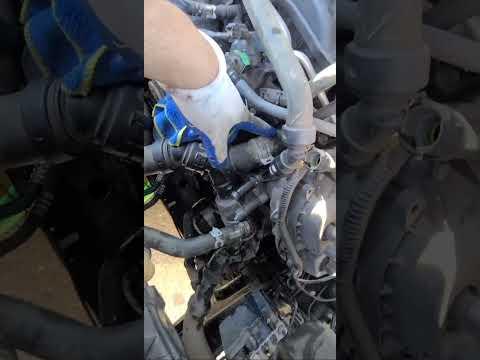





How to Replace the Radiator Hoses on a 2015-2017 Ford F-150 5.0L (Engine: V8 5.0L)
Step-by-step DIY radiator hose removal, installation, tools, coolant refill, and safety tips for your 2015 F-150
How to Replace the Radiator Hoses on a 2015-2017 Ford F-150 5.0L (Engine: V8 5.0L)
Step-by-step DIY radiator hose removal, installation, tools, coolant refill, and safety tips for your 2015 F-150 for 2015, 2016, 2017


F-150 - Radiator Hose Replacement 🚚
Got it—you want to replace a radiator hose on your F-150. There are two main hoses:
- 🔧 Upper radiator hose – from top of radiator to engine
- 🔧 Lower radiator hose – from bottom of radiator to engine/water pump
Quick question before we dive in:
- 🔧 Which one are you replacing: upper, lower, or both?
I’ll give the full guide for both hoses below so you’re covered either way.
F-150 - Safety & Prep ⚠️
- ⚠️ Never open the cooling system hot. Let the engine cool at least 1–2 hours. Hot coolant can cause serious burns.
- ⚠️ Coolant is toxic. Keep away from kids, pets, and food areas. Clean spills right away.
- ⚠️ Wear safety glasses and gloves. Coolant can irritate skin and eyes.
F-150 - Parts You’ll Need 📦
- 🔧 Upper radiator hose – molded hose specific to 5.0L 4WD Platinum
- 🔧 Lower radiator hose – molded hose specific to 5.0L 4WD Platinum
- 🔧 New hose clamps (if not reusing OEM spring clamps)
- Factory uses spring clamps (self-tightening clamps).
- 🔧 Coolant: Motorcraft Orange OAT coolant (for 2015 F-150) premixed 50/50, or concentrate plus distilled water
- System capacity (5.0L): about 13–15 quarts total; you’ll lose less if you only do hoses.
- 🔧 New thermostat housing O-ring (only if you disturb that area; usually not needed for hoses alone).
F-150 - Tools Required 🧰
- 🔧 Hose clamp pliers – special pliers that grab spring clamps and squeeze them open.
- 🔧 Regular pliers – can work, but clamp pliers are much easier and safer.
- 🔧 Flat-blade screwdriver – to gently pry hoses loose (do not gouge fittings).
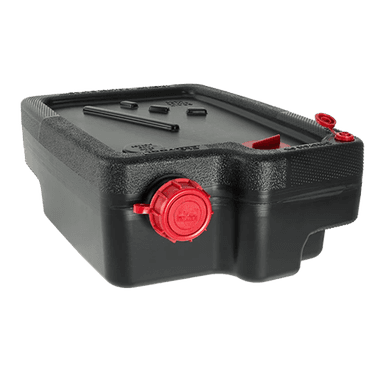
- 🔧 Drain pan – large enough for at least 3–4 gallons of coolant.
- 🔧 Ratchet and socket set (8–10 mm mainly) – to remove any covers or shields.
- 🔧 Funnel – to refill coolant without spilling.
- 🔧 Shop towels/rags – for cleanup and wiping fittings.
- 🔧 Work light – helps see the lower hose and clamps.
F-150 - Coolant Drain (Partial) 💧
You don’t have to drain the whole system, but you must lower the level below the hose you’re changing.
- 🔧 Step 1 – Cool the engine
- Make sure the engine is completely cool.
- Turn ignition OFF and remove the key.
- 🔧 Step 2 – Open the hood
- Locate the coolant reservoir (plastic tank on passenger side of engine bay).
- 🔧 Step 3 – Relieve pressure
- Slowly loosen the reservoir cap until you hear any hiss stop, then remove it.
- 🔧 Step 4 – Position drain pan
- Slide the drain pan under the radiator drain (petcock) at the bottom of the radiator (driver side lower corner).
- 🔧 Step 5 – Open radiator drain
- Turn the small plastic drain plug counterclockwise by hand or with pliers gently.
- Drain 1–2 gallons for upper hose only; 2–3 gallons if doing the lower hose.
- 🔧 Step 6 – Close the drain
- Once enough coolant is out, close the drain plug snugly by hand. Do not overtighten; it’s plastic.
F-150 - Upper Radiator Hose Replacement 🔼
The upper hose runs from the top of the radiator (driver side) to the engine near the thermostat housing/front of intake.
- 🔧 Step 1 – Locate the hose and clamps
- Follow the big hose from the top of the radiator to the engine.
- Note the position of the clamps and how the hose is routed.
- 🔧 Step 2 – Release radiator-side clamp
- Use hose clamp pliers to squeeze the spring clamp ears together.
- Slide the clamp back along the hose away from the radiator neck.
- 🔧 Step 3 – Remove hose from radiator
- Twist the hose gently to break it loose. If stuck, use a flat screwdriver to carefully lift the edge of the hose—do not stab or scratch the plastic neck.
- Pull the hose off and aim it into the drain pan for any remaining coolant.
- 🔧 Step 4 – Release engine-side clamp
- Repeat the clamp squeeze and slide-back on the engine side.
- Twist and pull the hose off the engine fitting.
- 🔧 Step 5 – Clean fittings
- Use a rag to clean the radiator neck and engine outlet.
- Remove any old rubber stuck to the fittings.
- 🔧 Step 6 – Install new upper hose
- Compare old and new hoses to confirm shape and length match.
- Slide the clamps onto the new hose first.
- Push the hose fully onto the radiator neck until it bottoms out.
- Position the clamp over the raised bead on the neck and release it.
- Repeat on the engine side, making sure the hose is not twisted and follows the original routing.
F-150 - Lower Radiator Hose Replacement 🔽
The lower hose runs from the bottom of the radiator to the engine/water pump area. Access is mostly from underneath.
- 🔧 Step 1 – Raise front (optional but helpful)
- If needed, use a jack and jack stands (stands that safely hold the truck up) under the frame.
- Never work under a truck supported only by a jack.
- 🔧 Step 2 – Locate lower hose
- Find the big hose at the bottom of the radiator on the driver side.
- Follow it to the engine connection.
- 🔧 Step 3 – Release radiator-side clamp
- Use clamp pliers to squeeze the spring clamp and slide it back.
- Twist and pull the hose off the radiator outlet; catch any coolant in the pan.
- 🔧 Step 4 – Release engine-side clamp
- Access may be tighter here; use a work light.
- Squeeze clamp, slide it back, twist hose free, and remove.
- 🔧 Step 5 – Clean fittings
- Wipe radiator outlet and engine inlet clean.
- 🔧 Step 6 – Install new lower hose
- Match new hose to old one for shape and orientation.
- Slide clamps onto the hose first.
- Install onto engine side fully, then radiator side.
- Position clamps over the raised beads and release.
- Make sure hose is not rubbing on the fan, belts, or sharp edges.
F-150 - Coolant Refill & Air Bleed 🌡️
- 🔧 Step 1 – Close everything
- Confirm radiator drain is closed and all hoses/clamps are secure.
- 🔧 Step 2 – Fill reservoir
- Using a funnel, fill the coolant reservoir with the correct orange coolant mix up to the MAX line.
- 🔧 Step 3 – Initial bleed
- Leave the reservoir cap off.
- Start the engine and let it idle.
- Turn the heater to HOT and fan to medium. This opens the heater core so coolant can flow through it.
- 🔧 Step 4 – Watch level and temperature
- As the engine warms up, the thermostat will open and the level may drop—add coolant as needed to keep it near MAX.
- Watch the temperature gauge; it should rise to normal and stay there, not overheat.
- 🔧 Step 5 – Check for leaks
- Look around both hose ends for any drips.
- If you see leaks, shut off engine and adjust clamps once cool.
- 🔧 Step 6 – Final cap and cool-down
- Once warm and stable, install the reservoir cap.
- Let the engine cool completely, then recheck the coolant level and top off if needed.
F-150 - Torque & Notes 📏
- 🔧 Hose clamps: factory spring clamps are self-tensioning, no torque spec—just ensure they sit fully over the bead.
- 🔧 Radiator drain plug: snug by hand only; do not overtighten or you can crack the radiator tank.
F-150 - Tips & Tricks 🧠
- 🔧 Lightly wet the inside of the new hose with coolant to help it slide on.
- 🔧 If a hose is really stuck, cut the old hose lengthwise with a utility knife (carefully) instead of prying hard on the plastic neck.
- 🔧 Always replace hoses in pairs (upper and lower) if one has failed—they age together.
If you tell me whether you’re doing the upper, lower, or both, I can tailor this to just what you’re working on and help you with any step that feels unclear.
HowToo makes it easy: below this answer you’ll see the correct hoses, clamps, coolant, and tools for your F-150. You can add them to your cart right from the parts section, with fast shipping so you can get this done in a day or two! 🚀
Guide for Radiator Coolant Hose replace for these Ford vehicles
| Year Make Model | Sub Model | Engine | Body Style |
|---|---|---|---|
| 2017 Ford F-150 | - | V8 5.0L | - |
| 2016 Ford F-150 | - | V8 5.0L | - |
| 2015 Ford F-150 | - | V8 5.0L | - |