












How to Replace the Radiator Hoses on a 2013-2021 Ram 1500 (Engine: V6 3.6L)
Step-by-step DIY guide with tools, parts list, coolant refill, bleeding, and safety tips for upper and lower hose replacement
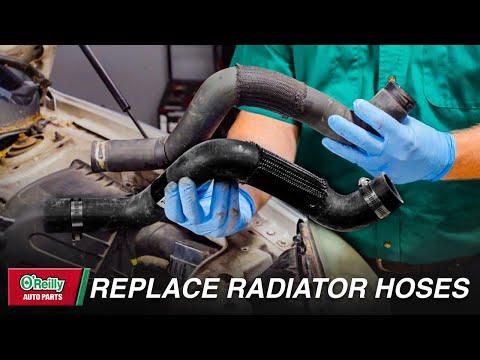
How to Replace the Radiator Hoses on a 2013-2021 Ram 1500 (Engine: V6 3.6L)
Step-by-step DIY guide with tools, parts list, coolant refill, bleeding, and safety tips for upper and lower hose replacement for 2013, 2014, 2015, 2016, 2017, 2018, 2020, 2021


1500 - Radiator Hose Replacement 🚚
Got it—you want to replace a radiator hose on your 2015 1500. On your truck there is an upper and a lower radiator hose. The basic steps are similar, but access and coolant loss are different.
Quick question before we dive in:
- 🔧 Are you replacing the upper hose, the lower hose, or both?
I'll give you the full guide assuming you may want to do both hoses (most shops replace them as a pair). You can skip the one you’re not doing.
1500 - Tools, Parts & Safety 🧰
Parts you’ll need:
- 🔧 Upper radiator hose (3.6L, 4WD, SLT)
- 🔧 Lower radiator hose
- 🔧 New hose clamps (if your new hoses don’t include them; use constant-tension or worm-gear clamps)
- 🔧 Coolant: HOAT / OAT type specified by Ram (usually Mopar 10-year / 150,000-mile OAT, purple or orange—match what’s in the truck)
- 🔧 Distilled water (if mixing concentrate)
Tools you’ll need:
- 🔧 Socket set (metric): 8mm, 10mm, 13mm sockets, ratchet, short extension
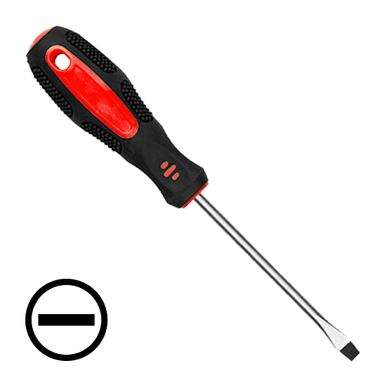
- 🔧 Flat-blade screwdriver (for worm-gear clamps and gently prying hoses)
- 🔧 Hose clamp pliers or regular pliers (for spring-style clamps; clamp pliers lock onto the clamp)
- 🔧 Drain pan (at least 10–12 liters capacity)
- 🔧 Funnel (for refilling coolant)
- 🔧 Shop rags or paper towels
- 🔧 Safety glasses and mechanic gloves
- 🔧 Optional: coolant spill-free funnel kit (helps bleed air from the system)
Safety first ⚠️
- ⚠️ Never open the radiator cap or hoses on a hot engine. Let the truck cool completely (at least 1–2 hours after driving).
- ⚠️ Coolant is toxic to people and animals. Always catch it in a pan and dispose of it properly.
- ⚠️ Keep the truck in PARK, parking brake on, engine off, keys out.
1500 - Prep & Coolant Drain 🧊
- Let the engine cool 🧯
- Wait until the upper radiator hose feels cool to the touch.
- Remove engine cover (if equipped) 🔩
- On the 3.6L, the plastic engine cover usually pulls up off rubber grommets. Lift gently at the corners.
- Open the hood and locate components 👀
- Upper hose: runs from the top of the radiator (driver side) to the thermostat housing/front of engine.
- Lower hose: runs from the bottom of the radiator (driver side) to the water pump area on the engine.
- Coolant reservoir: plastic tank on the passenger side of the engine bay.
- Relieve pressure 🧪
- Slowly loosen the coolant reservoir cap to release any remaining pressure. If you hear hissing, wait until it stops.
- Position drain pan 🛢️
- Slide the drain pan under the lower radiator area on the driver side.
- Drain coolant (easier way for a beginner) 💧
- Instead of using the radiator drain plug (can be fragile), you can:
- Loosen the lower radiator hose clamp at the radiator side.
- Twist and pull the hose off slowly and let coolant drain into the pan.
- If you only want to lose minimal coolant for an upper hose only job, you can:
- Clamp the lower hose with a hose pinch-off tool (if you have one) and just crack the lower hose enough to drain a few liters.
- Instead of using the radiator drain plug (can be fragile), you can:
1500 - Upper Radiator Hose Replacement 🔼
- Locate the clamps
- One clamp at the radiator neck, one at the thermostat housing/engine side.
- Your truck may have spring clamps (squeeze with pliers) or worm-gear clamps (tighten with screwdriver/8mm socket).
- Loosen/remove clamps
- For spring clamps: squeeze the tabs with pliers or clamp pliers and slide the clamp back along the hose.
- For worm-gear clamps: turn counterclockwise until loose, then slide back.
- Remove the hose
- Twist the hose gently to break it free. If it’s stuck, use a flat-blade screwdriver to carefully lift the edge of the hose—but do not gouge the plastic radiator neck or metal housing.
- Pull the hose off both ends and remove it.
- Clean the fittings
- Wipe the radiator neck and thermostat housing neck with a clean rag.
- Remove any old rubber stuck to the fittings.
- Install the new upper hose
- Compare new hose to old one to confirm shape and length.
- Slide the clamps onto the hose first.
- Push the hose fully onto the radiator neck and engine neck until it seats against the stops.
- Position and tighten clamps
- Place clamps behind the raised bead on each neck (this keeps the hose from slipping off).
- Spring clamps: release pliers so the clamp grips firmly.
- Worm-gear clamps: tighten snugly (about 35–45 in-lb, not gorilla tight). Do not overtighten on plastic radiator neck.
1500 - Lower Radiator Hose Replacement 🔽
- Access the lower hose
- You may need to remove the lower splash shield under the front bumper:
- Remove several 10mm bolts and/or plastic push clips.
- You may need to remove the lower splash shield under the front bumper:
- Loosen/remove clamps
- Same as upper hose: one clamp at the radiator bottom outlet, one at the engine/water pump side.
- Remove the hose
- Expect more coolant to drain when you pull the lower hose off.
- Twist and pull; use gentle prying if needed, being careful with the radiator outlet.
- Clean fittings and install new hose
- Wipe both necks clean.
- Compare new hose to old one.
- Slide clamps onto the hose, then push hose fully onto both fittings.
- Position and tighten clamps
- Place clamps behind the raised bead and secure as above.
1500 - Refill & Bleed the Cooling System 💦
- Close everything up underneath
- Make sure the lower hose is fully installed and tight.
- Reinstall the lower splash shield if removed (10mm bolts snug, about 35–45 in-lb).
- Mix coolant (if using concentrate)
- Use a 50/50 mix of Mopar-spec coolant and distilled water unless you bought premixed.
- Fill via coolant reservoir
- Install a funnel in the reservoir.
- Slowly fill until the level reaches the “MAX” line.
- On some 3.6L setups, you may need to top off a bit more as air burps out.
- Bleed air from the system
- Leave the reservoir cap off for now.
- Start the engine and set:
- Heater to HOT
- Fan on low
- Let the engine idle. Watch the coolant level in the reservoir and add as needed to keep it near MAX.
- As the engine warms up, the thermostat will open and the upper hose will get hot. You may see bubbles in the reservoir—this is air purging.
- Check for leaks
- Look at all hose connections (upper and lower) for any drips.
- If you see a leak, shut off the engine and tighten the clamp slightly.
- Final level set
- Once the engine reaches normal operating temperature and no more bubbles appear, shut the engine off.
- Let it cool completely again.
- Recheck coolant level in the reservoir and top off to the MAX line if needed.
- Install the reservoir cap firmly.
1500 - After the Job ✅
- 🔍 Test drive: Take a short drive, watch the temperature gauge (it should stay in the normal range, not overheat).
- 🔍 Recheck for leaks after the drive, especially around the hose ends.
- 🧪 Dispose of old coolant properly: Most parts stores or service centers accept used coolant.
Want Parts & Tools Fast? 🛒
I’ll show you the correct hoses, clamps, coolant, and tools for your 1500 in the HowToo parts section below. You can add them straight to your cart from there.
Reply with: whether you did the upper, lower, or both, and if you notice any leaks or overheating. I can help you double-check anything that looks suspicious.
HowToo makes it easy: same-day/2-day shipping on every part, plus all the tools and specialty tools you need! 🚀
Guide for Radiator Coolant Hose replace for these Ram vehicles
| Year Make Model | Sub Model | Engine | Body Style |
|---|---|---|---|
| 2021 Ram 1500 | - | V6 3.6L | - |
| 2020 Ram 1500 | - | V6 3.6L | - |
| 2018 Ram 1500 | - | V6 3.6L | - |
| 2017 Ram 1500 | - | V6 3.6L | - |
| 2016 Ram 1500 | - | V6 3.6L | - |
| 2015 Ram 1500 | - | V6 3.6L | - |
| 2014 Ram 1500 | - | V6 3.6L | - |
| 2013 Ram 1500 | - | V6 3.6L | - |