









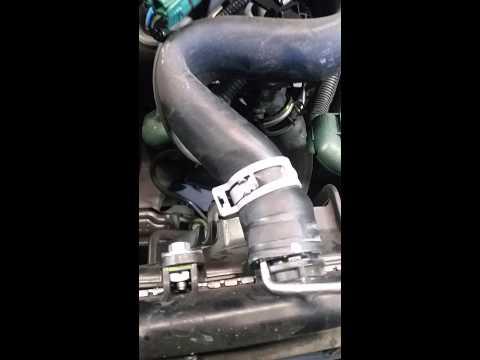







How to Replace the Radiator Hose on a 2018 Volkswagen Atlas (Upper or Lower)
Step-by-step DIY instructions with required tools, parts, VW G13/G12 evo coolant tips, and leak checks
How to Replace the Radiator Hose on a 2018 Volkswagen Atlas (Upper or Lower)
Step-by-step DIY instructions with required tools, parts, VW G13/G12 evo coolant tips, and leak checks


🔧 Atlas - Radiator Hose Replacement
Replacing a radiator hose means safely draining some coolant, removing the old hose and clamps, then installing the new hose without leaks. On your Atlas, there are multiple radiator hoses (upper, lower, and smaller branch/return hoses), and the steps and access points change depending on which one you’re replacing.
Difficulty Level: Intermediate | Estimated Time: 1.0-2.5 hours
⚠️ Safety & Precautions
- ⚠️ Never open the coolant cap on a hot engine; hot coolant can spray and burn you.
- ⚠️ Support the Atlas with jack stands on solid, level ground; never rely on a jack alone.
- ⚠️ Keep coolant off belts/electrical connectors and off the ground; it’s toxic to pets and wildlife.
- On your Atlas, use only VW-approved coolant (VW G13/G12 evo compatible) and distilled water mix as required.
- Battery disconnect is usually not required for hose replacement, unless you’ll unplug major electrical connectors near the radiator fan/shroud.
🔧 Required Tools
You'll need the following tools for this repair:
- Nitrile gloves
- Safety glasses
- Floor jack (rated 3-ton minimum)
- Jack stands (rated 3-ton minimum)
- Wheel chocks
- Drain pan (at least 10 liters)
- Trim clip removal tool
- Flathead screwdriver
- Pick tool
- Hose clamp pliers (specialty)
- Slip-joint pliers
- 7mm socket
- 10mm socket
- Ratchet
- Torque wrench (10-60 Nm range)
- Funnel
- Cooling system vacuum fill tool (specialty)
- Work light
- Shop towels
🔩 Required Parts
HowToo sells all the parts you need for this repair:
- Radiator hose (correct position for Atlas) - Qty: 1
- Hose clamps (OEM-style, matching hose) - Qty: 2
- VW-approved coolant (G13/G12 evo compatible) - Qty: 1-2 gallons (as needed)
- Distilled water - Qty: 1-2 gallons (as needed)
- Coolant O-ring/seal (if equipped on the hose quick-connector) - Qty: 1
- Undertray fasteners/clips (optional) - Qty: 1 set (as needed)
📋 Before You Begin
- Park on level ground, set the parking brake, and let the engine cool completely (ideally overnight).
- Set the HVAC to maximum heat later during bleeding; this helps coolant flow through the heater core.
- Place a drain pan under the front of the Atlas before opening any hoses.
- Know your hose type: spring clamp or screw clamp. A spring clamp uses constant tension; hose clamp pliers are made for it.
🔨 Step-by-Step Instructions
Follow these steps in order:
Step 1: Identify which radiator hose you’re replacing
- Open the hood and find the coolant reservoir.
- The upper radiator hose typically runs from the top of the radiator area to the engine.
- The lower radiator hose typically runs from the bottom of the radiator area to the engine/thermostat area (often accessed from below).
Step 2: Safely raise the front (if needed for access)
- Place wheel chocks behind the rear wheels.
- Lift the front using a floor jack (rated 3-ton minimum) and support with jack stands (rated 3-ton minimum).
Step 3: Remove the lower engine cover/undertray (if equipped)
- Use a 10mm socket and ratchet to remove bolts.
- Use a trim clip removal tool to pop any plastic clips.
- Set hardware aside in a tray so nothing gets lost. Take a quick photo first.
Step 4: Relieve pressure and prep for coolant loss
- Place a drain pan (at least 10 liters) under the hose connection area.
- Slowly loosen the coolant reservoir cap by hand to release any leftover pressure, then tighten it back lightly until you’re ready to drain.
Step 5: Drain enough coolant to drop the level below the hose
- If your Atlas has an accessible radiator drain, open it carefully over the drain pan.
- If there is no easy drain access, you can drain by removing the lower hose (expect more spillage).
- Use shop towels to catch drips and protect nearby components.
Step 6: Remove the hose clamps
- For spring clamps: use hose clamp pliers (specialty) to squeeze the clamp and slide it back on the hose.
- For screw clamps: use a 7mm socket with a ratchet or a flathead screwdriver to loosen and slide the clamp back.
- If a clamp is rusty or deformed, replace it (recommended).
Step 7: Break the hose loose (without damaging fittings)
- Twist the hose by hand to break the seal.
- If it’s stuck, carefully work the edge with a pick tool to let a little air in.
- Do not pry hard on plastic radiator necks; they can crack.
Step 8: Remove the old hose and compare parts
- Pull the hose off and let coolant drain into the drain pan.
- Compare the new hose to the old one: same bends, same ends, same diameter.
- If your hose uses a quick-connector with a seal, replace the coolant O-ring/seal now.
Step 9: Install the new hose
- Slide the clamps onto the hose first.
- Push the hose fully onto the fittings until it bottoms out.
- Position clamps behind the raised bead on the fitting, then tighten/lock them.
- If using screw clamps, tighten using a 7mm socket and ratchet until snug (do not crush the hose).
Step 10: Reinstall the undertray (if removed)
- Reinstall fasteners using a 10mm socket and ratchet.
- If you have a torque spec label/guide for the undertray fasteners, use a torque wrench to match it; otherwise snug them evenly.
Step 11: Refill coolant
- Mix VW-approved coolant with distilled water if your coolant is not pre-mixed.
- Refill through the reservoir using a funnel to the MAX line when cold.
- Best method: use a cooling system vacuum fill tool (specialty) to avoid air pockets.
Step 12: Bleed air and check for leaks
- Start the engine and set HVAC to hottest setting and medium fan.
- Let the engine warm up while watching the temperature gauge.
- Check for leaks at both ends of the hose using a work light.
- Shut the engine off, let it cool, then top off to the proper cold level.
✅ After Repair
- Test drive 10-15 minutes, then re-check for leaks with a work light.
- After the Atlas cools completely, re-check coolant level and top off as needed.
- If you get a coolant smell, low coolant warning, or heater blows cold at idle, air may still be trapped—re-bleed and re-check level.
- Dispose of old coolant properly at a local recycling/hazard facility in Panipat area.
💰 DIY vs Shop Cost
Shop Cost: $250-$650 (parts + labor)
DIY Cost: $40-$180 (parts only)
You Save: $210-$470 by doing it yourself!
Shop labor rates vary but typically run $100-$150/hour. This repair takes a shop approximately 1.0-2.5 hours.
🎯 Ready to get started?
Before I tailor this exactly to your Atlas, tell me two things: (1) Is it the upper or lower radiator hose? (2) Does your hose have a quick-connect fitting with a locking clip, or a simple slip-on hose with clamps?
HowToo makes it easy: same-day/2-day shipping on every part, plus all the tools and specialty tools you need! Check out the parts and tools sections below to add everything to your cart.