












How to Replace the Radiator Hose on a 2016 Volkswagen Tiguan
Step-by-step instructions with tools, parts, safety tips, and coolant bleeding guidance for 2009, 2010, 2011, 2012, 2013, 2014, 2015, 2016, 2017, 2018
How to Replace the Radiator Hose on a 2016 Volkswagen Tiguan
Step-by-step instructions with tools, parts, safety tips, and coolant bleeding guidance for 2009, 2010, 2011, 2012, 2013, 2014, 2015, 2016, 2017, 2018


🔧 Radiator Hose - Replacement
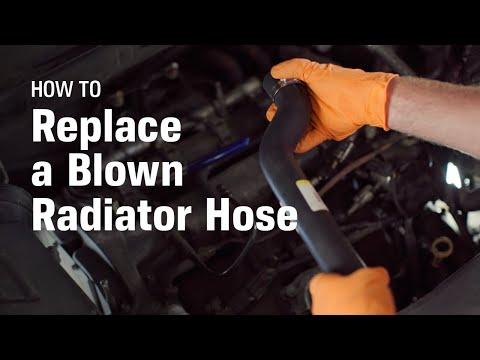
Replacing the radiator hose on your Tiguan means removing the old hose, draining enough coolant to keep the system from spilling, and installing the new hose with fresh clamps if needed. On this VW, the spring-style hose clamps can be tight, so steady pressure and the right pliers make the job much easier.
Difficulty Level: Intermediate | Estimated Time: 1.5-3 hours
⚠️ Safety & Precautions
- Work only on a completely cold engine. Hot coolant can cause serious burns.
- Use eye protection and gloves. Coolant is slippery and irritating.
- Dispose of used coolant properly. Do not pour it on the ground.
- Keep fingers clear of the radiator fan. It can start unexpectedly.
- If the hose is near the serpentine belt or fan shroud, keep tools clear of moving parts.
- No battery disconnect is normally required for this repair.
🔧 Required Tools
You'll need the following tools for this repair:
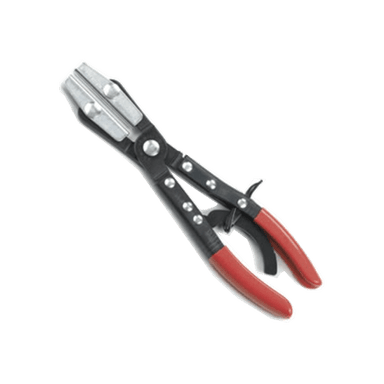
- Hose clamp pliers
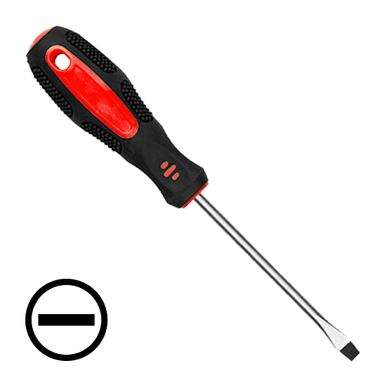
- Flat-blade screwdriver
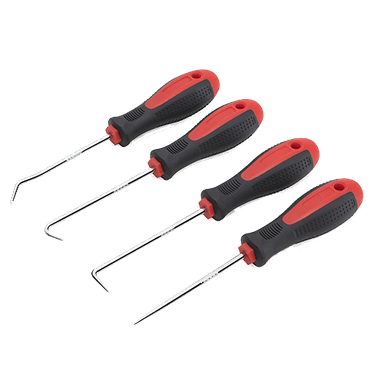
- Pick tool
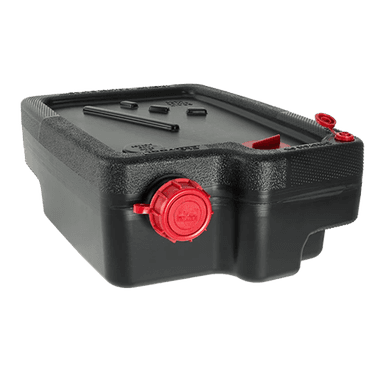
- Coolant drain pan
- Funnel
- Shop towels
- Safety glasses
- Nitrile gloves
- Jack stands
- Floor jack (rated 3-ton minimum)
- Torque wrench
🔩 Required Parts
HowToo sells all the parts you need for this repair:
- Radiator hose - Qty: 1
- Radiator hose clamps - Qty: 2
- Volkswagen G13 coolant - Qty: 1-2 gallons
- Distilled water - Qty: 1-2 gallons
📋 Before You Begin
- Park on level ground and set the parking brake.
- Let the engine cool fully before opening any part of the cooling system.
- If the car has a lower engine cover, raise the front safely and support it with jack stands.
- Open the coolant reservoir cap only when the engine is cold.
🔨 Step-by-Step Instructions
Follow these steps in order:
Step 1: Drain coolant to a safe level
- Place the coolant drain pan under the radiator area.
- If equipped, remove the lower splash shield with the flat-blade screwdriver and 10mm socket to access the drain area.
- Open the coolant reservoir cap slowly.
- Drain enough coolant so the hose you are removing will not pour coolant everywhere.
Step 2: Release the hose clamps
- Use hose clamp pliers to compress the spring clamps on both ends of the hose.
- Slide each clamp back on the hose.
- If the hose is stuck, use a pick tool to gently break the seal at the hose neck.
- Twist before pulling.
Step 3: Remove the old hose
- Twist the hose back and forth while pulling it off the radiator and engine pipe.
- Use the flat-blade screwdriver only if the hose has a locking tab or clip-style retainer.
- Wipe spilled coolant with shop towels.
- Check both fittings for cracks, rust, or leftover rubber.
Step 4: Install the new hose
- Compare the new hose to the old one before installing it.
- Push the hose fully onto each fitting until it seats against the stop.
- Move the clamps into their original positions with the hose clamp pliers.
- Make sure the clamps sit on the hose's reinforced bead area, not on the very edge.
Step 5: Refill the cooling system
- Mix Volkswagen G13 coolant with distilled water if using concentrate, or use premix as supplied.
- Fill the reservoir slowly using the funnel.
- Set the coolant level to the MAX mark when cold.
- Torque to hand-tight only on the reservoir cap.
Step 6: Bleed air from the system
- Start the engine and let it idle with the heater set to full hot.
- Watch the coolant level and top off as needed.
- Feel for warm air from the vents as the engine reaches operating temperature.
- Inspect both hose ends for leaks while the engine is running.
Step 7: Recheck and reassemble
- Shut the engine off and let it cool completely.
- Recheck the coolant level and top off to the MAX mark if needed.
- Reinstall the lower splash shield with the 10mm socket and flat-blade screwdriver if removed.
- Torque to 4 Nm (35 in-lbs) for typical small splash shield fasteners, if equipped.
✅ After Repair
- Start the engine and inspect both ends of the hose for leaks.
- Watch the temperature gauge during a short test drive.
- Check coolant level again after the engine cools down.
- If the heater blows cold or the level drops a lot, air may still be trapped in the system.
💰 DIY vs Shop Cost
Shop Cost: $220-$480 (parts + labor)
DIY Cost: $45-$130 (parts only)
You Save: $175-$350 by doing it yourself!
Shop labor rates vary but typically run $100-$150/hour. This repair takes a shop approximately 1.5-3 hours.
🎯 Ready to get started?
HowToo makes it easy: same-day/2-day shipping on every part, plus all the tools and specialty tools you need! Check out the parts and tools sections below to add everything to your cart.