









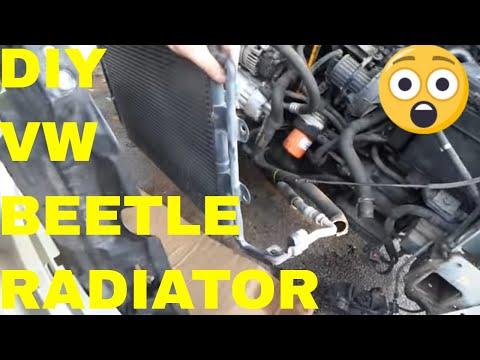


How to Replace the Radiator Hose on a 2016 Volkswagen Beetle
Step-by-step instructions with tools, parts, safety tips, and coolant bleeding guidance
How to Replace the Radiator Hose on a 2016 Volkswagen Beetle
Step-by-step instructions with tools, parts, safety tips, and coolant bleeding guidance


🔧 Radiator Hose - Replacement
Assumption: This guide covers replacing a standard radiator hose on your Beetle. If the upper and lower hoses are both being serviced, replace them in pairs for best reliability.
The radiator hose carries coolant between the engine and radiator. On your Beetle, a leaking or swollen hose can cause overheating fast, so replacing it promptly is important. This job is usually straightforward, but coolant spills and hot engine parts mean you need to work carefully.
Difficulty Level: Intermediate | Estimated Time: 1-2 hours
⚠️ Safety & Precautions
- Let the engine cool completely before opening the cooling system. Hot coolant can spray out and cause severe burns.
- Keep hands and tools away from the radiator fan. It can turn on automatically.
- Use eye protection and gloves. Coolant is slippery and irritating.
- Catch and dispose of coolant properly. It is toxic to people and animals.
- If your Beetle has a coolant level sensor connector or nearby wiring, unplug it only with the ignition off.
- Battery disconnect is not required for this repair.
🔧 Required Tools
You'll need the following tools for this repair:
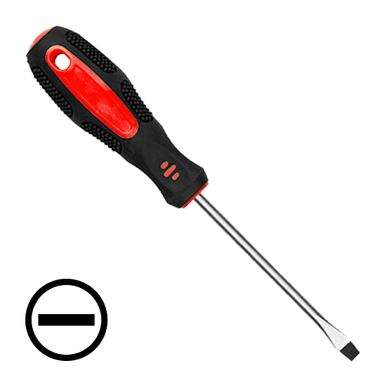
- Flathead screwdriver
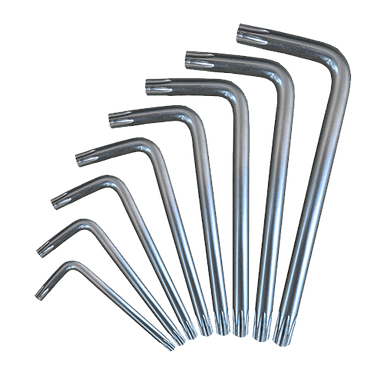
- Torx T25 screwdriver
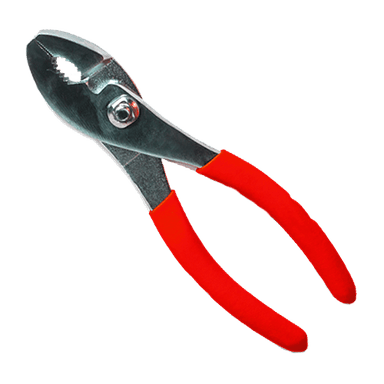
- Pliers
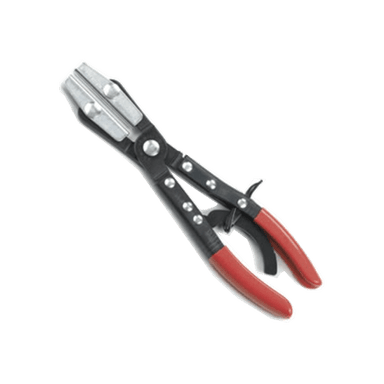
- Hose clamp pliers (specialty)
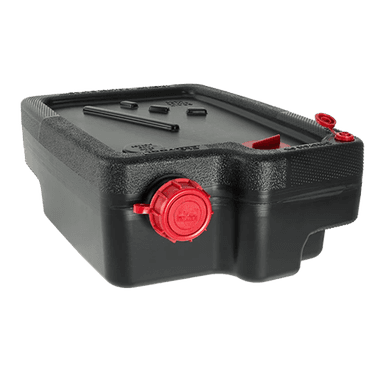
- Drain pan
- Funnel
- Shop towels
- Safety glasses
- Mechanic gloves
- Jack stands (rated 3-ton minimum)
- Floor jack (rated 3-ton minimum)
🔩 Required Parts
HowToo sells all the parts you need for this repair:
- Radiator hose - Qty: 1
- Coolant hose clamps - Qty: 2
- Volkswagen G12/G13-compatible coolant - Qty: 1-2 gallons mixed as required
📋 Before You Begin
- Park on level ground and set the parking brake.
- Let the engine cool fully before starting.
- Open the hood and locate the coolant expansion tank.
- Place a drain pan under the front of the vehicle before disconnecting any hose.
- If the hose is hard to reach, raise the front of the vehicle with a floor jack and support it with jack stands.
🔨 Step-by-Step Instructions
Follow these steps in order:
Step 1: Relieve cooling system pressure
- With the engine fully cold, slowly remove the coolant reservoir cap to release any residual pressure.
- Use a shop towel to protect your hand while loosening the cap.
Step 2: Drain coolant below the hose level
- Place a drain pan under the radiator area.
- Use pliers or hose clamp pliers to open the drain or remove the lower hose enough to lower coolant level if needed.
- Drain only enough coolant so the hose you are replacing is empty.
Step 3: Remove the old hose clamps
- Use hose clamp pliers to compress the spring clamps, or use a flathead screwdriver if clamp design requires it.
- Slide the clamps back along the hose so they are out of the way.
- Mark clamp positions before removal.
Step 4: Disconnect the old hose
- Use a flathead screwdriver to gently break the hose free at each end if it is stuck.
- Twist the hose back and forth by hand, then pull it off the radiator neck and engine outlet.
- Do not pry hard against the plastic radiator fittings.
Step 5: Compare and prepare the new hose
- Compare the new hose to the old one for length, bends, and fitting orientation.
- Transfer any clips or sensors if your original hose has them.
- Inspect the hose necks for cracks or corrosion before installation.
Step 6: Install the new hose
- Push the hose fully onto each fitting until it seats against the stop.
- Use hose clamp pliers to position the clamps in the same area as the original placement.
- Make sure the clamps are centered behind the bead on each fitting.
Step 7: Refill the cooling system
- Use a funnel to add Volkswagen G12/G13-compatible coolant mixed to the correct ratio.
- Fill the reservoir to the MAX line.
- Leave the cap off for the initial air purge if instructed by the service procedure.
Step 8: Bleed air from the system
- Start the engine and let it idle with the heater set to maximum heat.
- Watch coolant level and add more as air pockets burp out.
- Check for leaks at both hose ends while the engine warms up.
- Torque: Hose clamps are not torque-spec fasteners; position them securely so the hose cannot move.
Step 9: Recheck coolant level
- After the engine reaches operating temperature, shut it off and let it cool completely.
- Recheck the reservoir and top off to the MAX line if needed.
- Inspect again for seepage around both hose connections.
✅ After Repair
- Drive the Beetle briefly and watch the temperature gauge.
- Check the ground under the car for coolant drips.
- Recheck coolant level the next day after a full cool-down.
- If the temperature rises above normal or the heater blows cold, bleed the system again.
💰 DIY vs Shop Cost
Shop Cost: $220-$450 (parts + labor)
DIY Cost: $40-$120 (parts only)
You Save: $180-$330 by doing it yourself!
Shop labor rates vary but typically run $100-$150/hour. This repair takes a shop approximately 1-2 hours.
🎯 Ready to get started?
HowToo makes it easy: same-day/2-day shipping on every part, plus all the tools and specialty tools you need! Check out the parts and tools sections below to add everything to your cart.