













How to Replace the Radiator Hose on a 2016 Toyota Land Cruiser
Step-by-step instructions with tools, parts, safety tips, and coolant bleeding guidance for 2008, 2009, 2010, 2011, 2013, 2014, 2015, 2016, 2017, 2018, 2019, 2020, 2021
How to Replace the Radiator Hose on a 2016 Toyota Land Cruiser
Step-by-step instructions with tools, parts, safety tips, and coolant bleeding guidance for 2008, 2009, 2010, 2011, 2013, 2014, 2015, 2016, 2017, 2018, 2019, 2020, 2021


🔧 Radiator Hose - Replacement
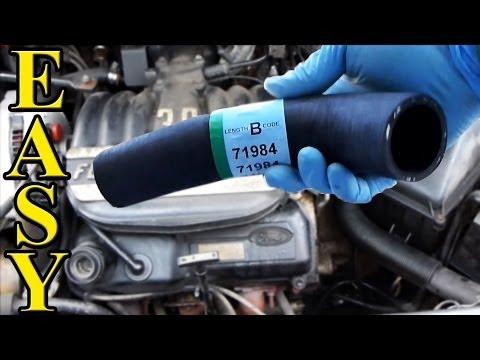
Replacing the radiator hose on your Land Cruiser means draining enough coolant to safely remove the old hose, then installing the new hose with fresh clamps if needed. This prevents coolant leaks, overheating, and hose failure from age or heat. Assumes you mean the upper radiator hose.
Difficulty Level: Beginner | Estimated Time: 1-2 hours
⚠️ Safety & Precautions
- Work only on a completely cold engine to avoid severe burns from hot coolant.
- Coolant is toxic. Keep it away from pets, children, and painted surfaces.
- Do not open the radiator cap when the system is hot.
- Battery disconnect is not required for this repair.
🔧 Required Tools
You'll need the following tools for this repair:
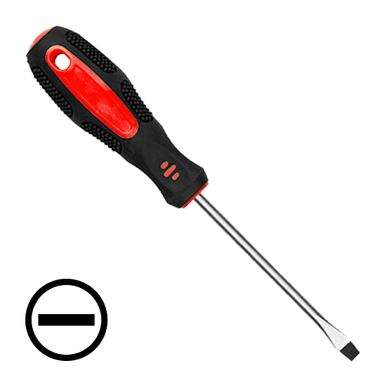
- Flat-blade screwdriver
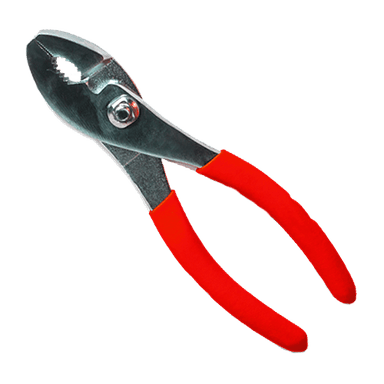
- Pliers
- 8mm socket
- Ratchet
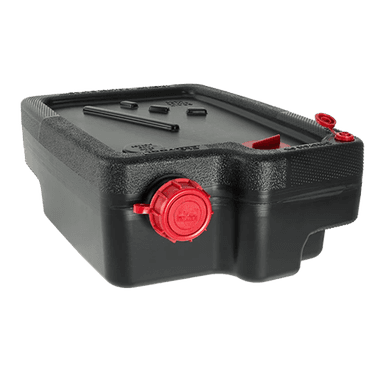
- Drain pan
- Funnel
- Shop towels
- Gloves
- Safety glasses
🔩 Required Parts
HowToo sells all the parts you need for this repair:
- Radiator hose - Qty: 1
- Radiator hose clamps - Qty: 2
- Coolant - Qty: 1 gallon
📋 Before You Begin
- Park on level ground and set the parking brake.
- Let the engine cool fully.
- Place a drain pan under the radiator drain area.
- Have the new hose ready before draining coolant.
🔨 Step-by-Step Instructions
Follow these steps in order:
Step 1: Drain coolant to a safe level
- Use a drain pan under the radiator drain area.
- Open the radiator cap only when the engine is cold.
- Open the drain petcock with your hand or a flat-blade screwdriver, depending on the style.
- Drain enough coolant so the hose level is below the hose you are replacing.
- Keep the drain pan wide and steady.
Step 2: Remove the old hose clamps
- Use pliers to squeeze the spring clamps, or use a flat-blade screwdriver for screw-type clamps.
- Slide both clamps back on the hose away from the radiator neck and engine pipe.
Step 3: Remove the old radiator hose
- Twist the hose gently by hand to break it free.
- Pull it off the radiator fitting and engine fitting.
- If it sticks, use a flat-blade screwdriver carefully under the hose lip to lift it loose.
- Do not damage the aluminum necks.
Step 4: Install the new hose
- Compare the new hose to the old one before installing.
- Push the new hose fully onto both fittings until it seats against the stops.
- Position the clamps in the same location as the originals.
- If your replacement hose uses new clamps, install them now.
Step 5: Refill coolant
- Use a funnel to refill the cooling system with the correct coolant.
- Fill slowly to reduce air pockets.
- Install the radiator cap after filling.
Step 6: Bleed air from the system
- Start the engine and let it idle.
- Turn the heater to hot and the fan on low.
- Watch the coolant level and top off as needed with a funnel.
- Let the engine reach operating temperature.
- Check for leaks at both hose ends.
Step 7: Final tighten and inspection
- Shut the engine off and let it cool again.
- Recheck the coolant level and top off if needed.
- Inspect the hose routing to make sure it is not rubbing or twisted.
✅ After Repair
- Drive the vehicle and watch the temperature gauge closely.
- Recheck for coolant leaks after the test drive.
- Check coolant level again the next day when cold.
- If the temperature rises above normal, stop driving and inspect for trapped air or leaks.
💰 DIY vs Shop Cost
Shop Cost: $220-$420 (parts + labor)
DIY Cost: $45-$110 (parts only)
You Save: $175-$310 by doing it yourself!
Shop labor rates vary but typically run $100-$150/hour. This repair takes a shop approximately 1-2 hours.
🎯 Ready to get started?
HowToo makes it easy: same-day/2-day shipping on every part, plus all the tools and specialty tools you need! Check out the parts and tools sections below to add everything to your cart.