









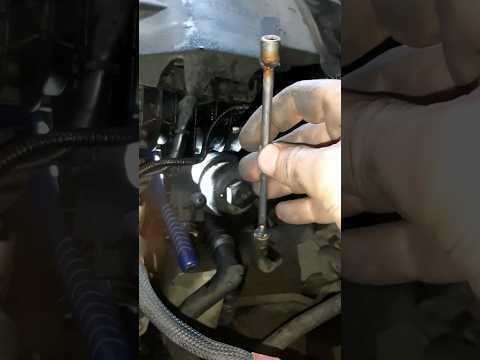







How to Replace the Radiator Hose on a 2011-2018 BMW X5 (Upper Hose Guide) (Engine: Inline 6 3.0L)
Step-by-step DIY instructions with tools, parts list, coolant drain/refill, and bleed procedure
How to Replace the Radiator Hose on a 2011-2018 BMW X5 (Upper Hose Guide) (Engine: Inline 6 3.0L)
Step-by-step DIY instructions with tools, parts list, coolant drain/refill, and bleed procedure for 2011, 2012, 2013, 2014, 2015, 2016, 2017, 2018


🔧 X5 - Radiator Hose Replacement
Replacing a radiator hose fixes coolant leaks and helps prevent overheating. On your X5, many hoses use quick-connect fittings and spring clamps, so the job is mostly careful removal and correct seating of the new hose.
Assumption: Replacing the most common hose (upper radiator hose). The same method applies to the lower hose, but access and routing differ.
Difficulty Level: Intermediate | Estimated Time: 1.5-3.0 hours
⚠️ Safety & Precautions
- ⚠️ Never open the coolant cap on a hot engine; let it cool fully.
- ⚠️ Support the X5 with jack stands before going underneath.
- ⚠️ Keep hands clear of the electric fan; it can run unexpectedly.
- ⚠️ Clean spilled coolant immediately; it’s toxic and slippery.
🔧 Required Tools
You'll need the following tools for this repair:
- Floor jack (rated 3-ton minimum)
- Jack stands (rated 3-ton minimum)
- Wheel chocks
- Safety glasses
- Nitrile gloves
- Drain pan (at least 10 liters)
- Socket set with ratchet
- 8mm socket
- 10mm socket
- E-Torx socket set
- Torx bit set
- Flat-blade screwdriver
- Pick tool set
- Hose clamp pliers
- Trim clip removal tool
- Funnel
- Shop rags
- Flashlight
🔩 Required Parts
HowToo sells all the parts you need for this repair:
- Upper radiator hose assembly - Qty: 1
- Hose O-rings/seals (if not included with hose) - Qty: 1 set
- Coolant (BMW-approved) - Qty: 2 gallons
- Distilled water - Qty: 2 gallons
- New hose clamps (if your hose uses replaceable clamps) - Qty: 1-2
📋 Before You Begin
- Park on level ground, set the parking brake, and let the engine cool completely.
- Chock the rear wheels with wheel chocks.
- Plan for coolant: place a drain pan under the front of the X5 before loosening anything.
- Know the connector type: a BMW quick-connect uses a retaining clip; you pull the clip up, then twist and pull the hose off.
🔨 Step-by-Step Instructions
Follow these steps in order:
Step 1: Raise and support the front
- Use a floor jack (rated 3-ton minimum) to lift the front at the approved front center jack point.
- Set the X5 down onto jack stands (rated 3-ton minimum) placed at the front side jack points.
Step 2: Remove the lower splash shield/undertray
- Use an 8mm socket and Torx bit set to remove the undertray fasteners.
- Use a trim clip removal tool for any plastic push-clips.
- Keep fasteners grouped by location.
Step 3: Drain coolant (controlled drain)
- Place the drain pan (at least 10 liters) under the radiator area.
- Slowly loosen the coolant expansion tank cap by hand to release any leftover pressure, then remove it.
- Use a flat-blade screwdriver (or appropriate Torx bit, depending on your drain fitting) to open the radiator drain and drain coolant.
- If your X5 does not have an accessible radiator drain, you can drain by removing the lower hose connection (expect a faster gush).
Step 4: Locate the radiator hose and clear access
- Use a flashlight to follow the upper hose from the top of the radiator to the engine-side connection.
- Remove any small air ducting or covers blocking access using a 10mm socket and ratchet.
Step 5: Release the hose connection at the radiator
- If it’s a spring clamp: use hose clamp pliers to compress the clamp and slide it back on the hose.
- If it’s a BMW quick-connect: use a pick tool set to lift the retaining clip to the “unlocked” position (do not remove the clip completely unless it’s designed to come off).
- Twist the hose gently to break it free, then pull it straight off.
- Twist first; pulling hard can crack plastic.
Step 6: Release the hose connection at the engine side
- Repeat the same clamp/quick-connect process using hose clamp pliers and/or a pick tool set.
- Use shop rags to catch remaining coolant when the hose comes off.
Step 7: Remove the old hose and compare parts
- Lift the hose out, noting the exact routing and any mounting clips.
- Compare the new hose to the old hose: same bends, same connector style, same port angles.
- Transfer any brackets/holders using a socket set with ratchet or Torx bit set if needed.
Step 8: Install the new hose (important seating step)
- Lightly wet the new O-ring with fresh coolant (do not use oil/grease).
- Push the hose fully onto the fitting until it bottoms out.
- For quick-connect: push the retaining clip down to “locked,” then pull back on the hose to confirm it is locked.
- For spring clamp: use hose clamp pliers to position the clamp back in its original spot.
- No torque spec: Spring clamps and quick-connects lock by design.
Step 9: Reinstall removed covers and undertray
- Reinstall any covers/ducts using a 10mm socket and ratchet.
- Reinstall the undertray using an 8mm socket and Torx bit set.
- Torque: Underbody small fasteners are typically light-tight; do not overtighten into plastic.
Step 10: Refill coolant
- Mix BMW-approved coolant with distilled water (commonly 50/50 unless your coolant label specifies otherwise).
- Use a funnel to slowly fill the expansion tank to the MAX mark.
Step 11: Bleed the cooling system (electric water pump bleed)
- Turn ignition ON without starting the engine (dash on).
- Set the climate control to maximum temperature and the fan to the lowest speed.
- Press and hold the accelerator pedal down for about 10 seconds to trigger the bleed routine (you may hear the electric pump cycling).
- Let the bleed routine run; keep an eye on coolant level and top off as needed using the funnel.
- Do not open cap while pump is cycling.
Step 12: Warm-up check (leaks + level)
- Start the engine and let it idle while you inspect the hose connections with a flashlight.
- Watch for drips and for any “sweet” coolant smell.
- After the engine cools again, recheck level and top off to the correct mark.
✅ After Repair
- Check for warning messages related to coolant level/temperature on the instrument cluster.
- Do a short 10–15 minute drive, then park and recheck for leaks underneath.
- Recheck coolant level the next morning when fully cold.
- Dispose of old coolant properly; most parts stores accept it for recycling.
💰 DIY vs Shop Cost
Shop Cost: $350-$750 (parts + labor)
DIY Cost: $80-$220 (parts only)
You Save: $270-$530 by doing it yourself!
Shop labor rates vary but typically run $100-$150/hour. This repair takes a shop approximately 1.5-3.0 hours.
🎯 Ready to get started?
HowToo makes it easy: same-day/2-day shipping on every part, plus all the tools and specialty tools you need! Check out the parts and tools sections below to add everything to your cart.
Guide for Radiator Coolant Hose replace for these BMW vehicles
| Year Make Model | Sub Model | Engine | Body Style |
|---|---|---|---|
| 2018 BMW X5 | - | Inline 6 3.0L | - |
| 2017 BMW X5 | - | Inline 6 3.0L | - |
| 2016 BMW X5 | - | Inline 6 3.0L | - |
| 2015 BMW X5 | - | Inline 6 3.0L | - |
| 2014 BMW X5 | - | Inline 6 3.0L | - |
| 2013 BMW X5 | - | Inline 6 3.0L | - |
| 2012 BMW X5 | - | Inline 6 3.0L | - |
| 2011 BMW X5 | - | Inline 6 3.0L | - |