









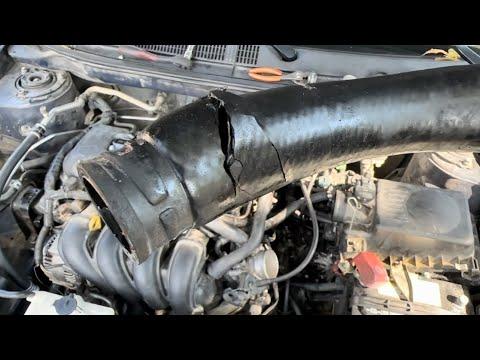



How to Replace the Radiator Hose on a 2016-2023 Toyota Tacoma 3.5L V6 (Engine: V6 3.5L)
Step-by-step DIY Tacoma radiator hose replacement with tools, parts list, coolant refill, bleeding, safety tips, and cost savings
How to Replace the Radiator Hose on a 2016-2023 Toyota Tacoma 3.5L V6 (Engine: V6 3.5L)
Step-by-step DIY Tacoma radiator hose replacement with tools, parts list, coolant refill, bleeding, safety tips, and cost savings for 2016, 2017, 2018, 2019, 2020, 2021, 2022, 2023


🔧 Tacoma - Radiator Hose Replacement
You’ll be draining some coolant, removing the old radiator hose, and installing a new one on your Tacoma. This keeps the engine cooling system sealed and flowing correctly so it doesn’t overheat. I’ll walk you through it slowly so a first-time DIYer can handle it.
Difficulty Level: Beginner | Estimated Time: 1–2 hours
⚠️ Safety & Precautions
- 🔥 Never open the radiator cap or loosen hoses with the engine hot; let it cool at least 1 hour.
- 🧤 Coolant is toxic. Avoid skin contact and keep away from kids, pets, and food areas.
- 🧯 Work with the engine off, parking brake set, and the truck on level ground.
- 🔌 Battery disconnect is not required, but you can remove the negative cable for extra safety using a 10mm wrench.
- 🌍 Catch all coolant in a drain pan and dispose of it at a proper recycling facility.
🔧 Required Tools
You'll need the following tools for this repair:
- Socket set (8mm–14mm)
- 3/8" ratchet
- Extension bar 3/8"
- Hose clamp pliers (specialty)
- Channel-lock pliers 10"
- Flathead screwdriver medium
- Drain pan 10-quart
- Funnel with small spout
- Shop towels
- Safety glasses
- Nitrile gloves
- Work light LED
🔩 Required Parts
HowToo sells all the parts you need for this repair:
- Upper radiator hose (Tacoma V6 3.5L) - Qty: 1
- Lower radiator hose (Tacoma V6 3.5L) - Qty: 1 (only if you’re doing both)
- Radiator hose clamps - Qty: 2 per hose
- Toyota Super Long Life coolant (pink, concentrate or premix) - Qty: 2–3 gallons premix equivalent
- Distilled water - Qty: 1–2 gallons (if using concentrate coolant)
- Anti-seize or silicone spray - Qty: small amount (to help slide hose on)
📋 Before You Begin
- Park your Tacoma on level ground, set the parking brake, and put the transmission in gear (1st) with wheels chocked.
- Let the engine cool fully; the upper radiator hose should feel cool to the touch.
- Open the hood and locate: radiator cap, upper radiator hose (top of radiator to engine), lower radiator hose (bottom of radiator to engine).
- Place the drain pan under the radiator drain area, slightly toward the passenger side.
🔨 Step-by-Step Instructions
Follow these steps in order:
Step 1: Relieve pressure and prepare for draining
- With the engine cool, use your hand to press down slightly and slowly twist the radiator cap counterclockwise until it stops, then press and turn further to remove it.
- If it hisses, wait until all sound stops before fully removing.
- Position the drain pan 10-quart under the bottom of the radiator.
- Never rush opening a cooling system
Step 2: Drain enough coolant
- On the Tacoma radiator lower area (usually passenger side), locate the small plastic drain plug (petcock).
- Use the flathead screwdriver medium to gently turn the drain plug counterclockwise until coolant starts flowing into the drain pan.
- Drain at least 1–2 gallons so the top of the radiator and hoses are mostly empty.
- Once drained, use the flathead screwdriver medium to close the drain plug snugly; do not overtighten.
- Wipe any drips so you can see new leaks
Step 3: Remove the upper radiator hose clamps
- Identify the upper radiator hose from the top of the radiator to the engine.
- If your clamps are spring-type (round with tabs): use hose clamp pliers (specialty) or channel-lock pliers 10" to squeeze the tabs together.
- Slide the loosened clamp away from the radiator neck along the hose.
- Repeat at the engine side of the hose and slide that clamp back as well.
- Remember clamp directions before removing hose
Step 4: Break the hose loose and remove it
- Gently twist the hose at the radiator neck by hand to break the seal; if stuck, carefully insert the tip of the flathead screwdriver medium under the lip of the hose and gently pry to let air in.
- Pull the hose off the radiator fitting; a bit of coolant may spill into the drain pan 10-quart.
- Repeat the same twisting and pulling at the engine side to remove the hose completely.
- Remove the hose from the truck and set it aside for comparison with the new hose length and shape.
- Do not gouge the metal or plastic neck
Step 5: Install the new upper radiator hose
- Lightly spray the inside ends of the new hose with silicone spray or wipe a film of clean coolant to help it slide on.
- Slide both hose clamps onto the new hose first, in about the same spots as the old ones.
- Push one end of the hose fully onto the radiator neck by hand until it seats against the stop.
- Push the other end fully onto the engine side neck.
- Use hose clamp pliers (specialty) or channel-lock pliers 10" to squeeze and move each clamp into place over the raised bead of each neck.
- Clamp must sit over the ridge for sealing
Step 6: (Optional) Replace the lower radiator hose
- If you’re doing the lower hose too, repeat Steps 3–5 for the lower hose from the bottom of the radiator to the water pump area.
- You may need to reach from underneath; make sure the truck is on level ground and do not get under it unless it’s safely supported on jack stands.
- More coolant will come out when removing the lower hose, so keep the drain pan 10-quart directly under the hose connection.
Step 7: Refill the cooling system
- Make sure the radiator drain plug is fully closed (snug by hand using the flathead screwdriver medium if needed).
- Place the funnel with small spout into the radiator filler neck.
- Pour Toyota pink coolant premix, or a 50/50 mix of Toyota pink concentrate with distilled water, slowly into the radiator until it’s full.
- Fill the plastic coolant reservoir to the "FULL" or "MAX" line using the same mixture.
- Pour slowly to reduce trapped air
Step 8: Bleed air from the system
- Leave the radiator cap off for now.
- Start the engine and let it idle. Turn the cabin heater to maximum heat and fan on low; this opens the heater core.
- Watch the coolant level in the radiator neck; as the engine warms, you may see bubbles coming out.
- When the thermostat opens (upper hose gets hot), the coolant level may drop; use the funnel with small spout to top off as needed.
- Once bubbling slows and the level stays steady near the top, shut off the engine.
Step 9: Install radiator cap and final checks
- With the engine off, top up the radiator one last time if needed.
- Install the radiator cap: press down and turn clockwise until fully locked.
- Check the coolant reservoir and adjust to the "FULL" line if needed using the funnel with small spout.
- Wipe all hose connections with shop towels so any new leaks are easy to spot.
Step 10: Inspect for leaks and test drive
- Start the engine again and let it reach normal operating temperature while you watch the hose connections.
- Look closely at the hose ends for any seeping coolant; if you see any, use hose clamp pliers (specialty) or channel-lock pliers 10" to reposition or tighten clamps slightly.
- Turn the engine off, let it cool completely (at least 1–2 hours), then recheck coolant level in the reservoir and top off if needed.
- Take a short test drive (10–15 minutes), then recheck for leaks and level once more.
✅ After Repair
- Confirm the engine temperature gauge stays in the normal middle range on your test drive.
- Check under the front of your Tacoma and around both hose ends for any signs of fresh coolant.
- Over the next few cold starts, recheck the coolant reservoir and top up to "FULL" if the level drops slightly as remaining air works out.
- Dispose of old coolant at an auto parts store or recycling center; never pour it down drains or on the ground.
💰 DIY vs Shop Cost
Shop Cost: $220–$380 (parts + labor)
DIY Cost: $60–$140 (parts only, depending on 1 or 2 hoses)
You Save: $160–$240 by doing it yourself!
Shop labor rates vary but typically run $100–$150/hour. This repair takes a shop approximately 1.0–1.5 hours.
🎯 Ready to get started?
HowToo makes it easy: same-day/2-day shipping on every part, plus all the tools and specialty tools you need! Check out the parts and tools sections above to add everything to your cart.
Guide for Radiator Coolant Hose replace for these Toyota vehicles
| Year Make Model | Sub Model | Engine | Body Style |
|---|---|---|---|
| 2023 Toyota Tacoma | - | V6 3.5L | - |
| 2022 Toyota Tacoma | - | V6 3.5L | - |
| 2021 Toyota Tacoma | - | V6 3.5L | - |
| 2020 Toyota Tacoma | - | V6 3.5L | - |
| 2019 Toyota Tacoma | - | V6 3.5L | - |
| 2018 Toyota Tacoma | - | V6 3.5L | - |
| 2017 Toyota Tacoma | - | V6 3.5L | - |
| 2016 Toyota Tacoma | - | V6 3.5L | - |