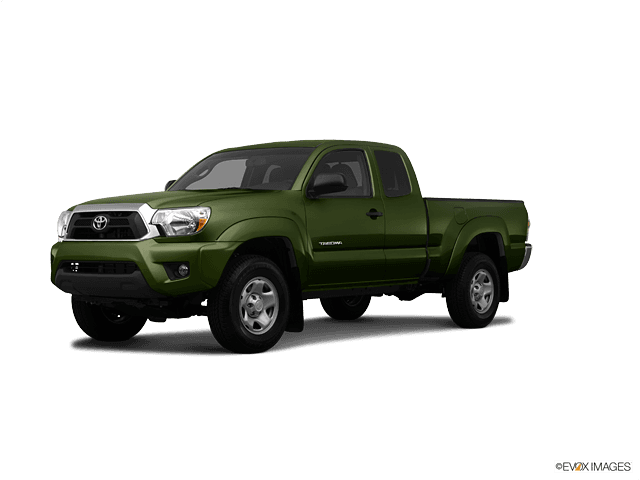














How to Replace the Radiator Hose on a 2005-2015 Toyota Tacoma (Engine: Inline 4 2.7L)
Step-by-step cooling system repair guide with tools, parts, coolant refill, and safety tips
How to Replace the Radiator Hose on a 2005-2015 Toyota Tacoma (Engine: Inline 4 2.7L)
Step-by-step cooling system repair guide with tools, parts, coolant refill, and safety tips for 2005, 2006, 2007, 2008, 2009, 2010, 2011, 2012, 2013, 2014, 2015


🔧 Tacoma - Radiator Hose Replacement
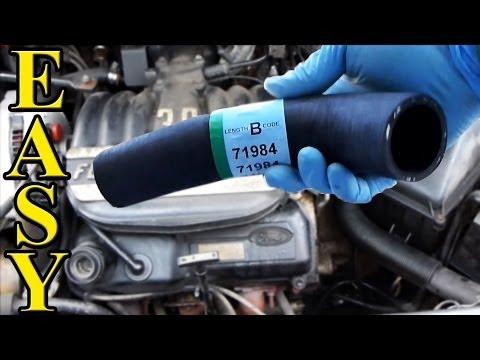
This repair replaces a leaking, swollen, cracked, or soft radiator hose on your Tacoma. The upper hose carries hot coolant from the engine to the radiator, and the lower hose returns cooled coolant back to the engine.
Difficulty Level: Beginner | Estimated Time: 1-2 hours
⚠️ Safety & Precautions
- ⚠️ Never open the radiator cap when the engine is hot. Hot coolant can spray out and cause serious burns.
- 🧊 Let your Tacoma sit until the engine and radiator are completely cool.
- 🐾 Keep coolant away from pets and children. It is toxic and often smells sweet.
- 🧤 Wear gloves and safety glasses because old coolant can irritate skin and eyes.
- 🔋 Battery disconnect is not required for this radiator hose replacement.
🔧 Required Tools
You'll need the following tools for this repair:
- 10mm socket
- 3/8-inch ratchet
- 3/8-inch extension
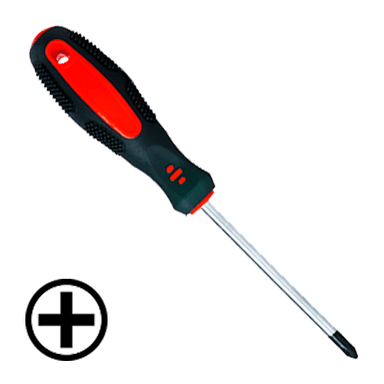
- Phillips screwdriver
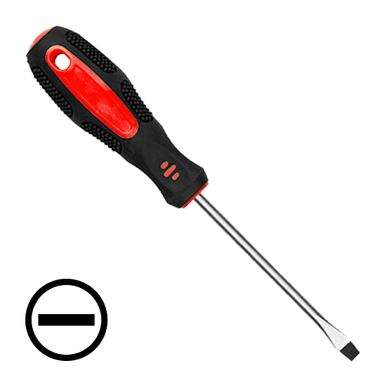
- Flat-blade screwdriver
- Hose clamp pliers
- Regular pliers
- Drain pan 2-gallon minimum
- Funnel with narrow spout
- Plastic trim clip removal tool
- Clean shop towels
- Safety glasses
- Nitrile gloves
🔩 Required Parts
HowToo sells all the parts you need for this repair:
- Upper radiator hose - Qty: 1
- Lower radiator hose - Qty: 1
- Radiator hose clamps - Qty: 4
- Toyota-compatible coolant, pink premixed 50/50 - Qty: 1-2 gallons
📋 Before You Begin
- 🅿️ Park your Tacoma on level ground and set the parking brake.
- 🧊 Make sure the engine is fully cool before touching the radiator cap or hoses.
- 🪣 Place a drain pan under the radiator drain area before loosening any hose.
- 📌 A hose clamp is the metal band that squeezes the hose tightly onto the radiator or engine fitting.
- 📌 Coolant is the liquid that controls engine temperature and prevents corrosion inside the cooling system.
🔨 Step-by-Step Instructions
Follow these steps in order:
Step 1: Let the Engine Cool
- Use your hand near the radiator, without touching it first, to feel for heat.
- Wait until the radiator, upper hose, and radiator cap are cool to the touch.
- Use safety glasses and nitrile gloves before starting.
- Cold engine only.
Step 2: Remove the Radiator Cap
- Use a clean shop towel over the radiator cap.
- Slowly press down and turn the cap counterclockwise by hand.
- Remove the cap only after you are sure there is no pressure.
Step 3: Drain Some Coolant
- Place the drain pan 2-gallon minimum under the radiator drain area.
- Use regular pliers if needed to turn the plastic radiator drain cock gently counterclockwise.
- Drain enough coolant so the level drops below the hose you are replacing.
- For upper hose replacement, usually 1-2 quarts is enough.
- For lower hose replacement, drain most of the radiator.
- Close the drain cock by hand, then snug it gently with regular pliers if needed.
- Do not overtighten the plastic drain cock.
Step 4: Remove Air Intake Duct if It Blocks Access
- Use a Phillips screwdriver or 10mm socket to loosen the intake duct clamp near the air filter box if it blocks your hand access.
- Use a 10mm socket and 3/8-inch ratchet to remove any small intake support bolts if equipped.
- Move the intake duct aside gently.
- Reinstall bolts later and tighten snug only; small intake fasteners are typically tightened to about Torque to 5 Nm (44 in-lbs).
Step 5: Loosen the Hose Clamps
- Use hose clamp pliers to squeeze the spring clamp tabs together.
- Slide each clamp back several inches onto the hose.
- If your Tacoma has screw-style clamps, use a flat-blade screwdriver to loosen each clamp.
- A spring clamp is reused by squeezing the tabs; a screw clamp loosens by turning the screw counterclockwise.
- Take a photo first.
Step 6: Break the Old Hose Loose
- Use your hand to twist the hose gently back and forth.
- If the hose is stuck, use a flat-blade screwdriver carefully at the hose edge to break the seal.
- Do not gouge the radiator neck or engine outlet. These sealing surfaces must stay smooth.
- Pull the hose off by hand once it turns freely.
Step 7: Remove the Hose
- Use regular pliers only if the hose is too slippery to grip by hand.
- Pull the hose off the radiator fitting and engine fitting.
- Keep the drain pan under the hose because more coolant may spill.
- Compare the old hose to the new hose before installing it.
Step 8: Clean the Hose Fittings
- Use clean shop towels to wipe the radiator neck and engine outlet clean.
- Use a flat-blade screwdriver only to gently remove stuck rubber pieces if needed.
- Do not sand, scrape deeply, or bend the radiator neck.
Step 9: Install the New Hose
- Slide the new radiator hose clamps onto the hose before installing the hose.
- Push the new hose fully onto the radiator neck and engine outlet by hand.
- Make sure the hose sits past the raised bead on each fitting. The bead is the small raised ring that helps keep the hose from slipping off.
- Route the hose the same way as the original so it does not rub the fan, belt, pulleys, or sharp brackets.
Step 10: Position and Tighten the Clamps
- Use hose clamp pliers to move spring clamps into their original positions behind the raised bead.
- If using screw-style clamps, use a flat-blade screwdriver to tighten them evenly until snug.
- Do not crush the hose with screw-style clamps.
- Spring clamps do not have a torque spec; they lock by spring tension.
Step 11: Reinstall the Intake Duct
- Use the Phillips screwdriver or 10mm socket to reinstall the intake duct clamp.
- Use the 10mm socket, 3/8-inch extension, and 3/8-inch ratchet to reinstall any intake support bolts.
- Tighten small intake fasteners to Torque to 5 Nm (44 in-lbs).
Step 12: Refill the Cooling System
- Use a funnel with narrow spout in the radiator filler neck.
- Pour Toyota-compatible pink premixed 50/50 coolant slowly into the radiator until full.
- Fill the coolant reservoir to the “FULL” line.
- Install the radiator cap by hand.
Step 13: Bleed Air from the Cooling System
- Start the engine and let it idle with the heater set to hot.
- Watch the temperature gauge. It should stay in the normal range.
- Let the engine warm up until the upper radiator hose gets hot. That means coolant is circulating.
- Shut the engine off and let it cool completely.
- Use a clean shop towel to remove the radiator cap only after the engine is cool.
- Top off the radiator and reservoir with the funnel if the level dropped.
✅ After Repair
- ✅ Check around both hose ends for leaks while the engine idles.
- 🌡️ Watch the temperature gauge during the first drive. Stop if it rises above normal.
- 🧊 After the first full cool-down, recheck the radiator and reservoir levels.
- 🔍 Recheck the clamps after one or two heat cycles because new hoses can settle slightly.
- ♻️ Dispose of old coolant properly. Do not pour it on the ground or into drains.
💰 DIY vs Shop Cost
Shop Cost: $180-$350 (parts + labor)
DIY Cost: $35-$120 (parts only)
You Save: $145-$230 by doing it yourself!
Shop labor rates vary but typically run $100-$150/hour. This repair takes a shop approximately 1-1.5 hours.
🎯 Ready to get started?
HowToo makes it easy: same-day/2-day shipping on every part, plus all the tools and specialty tools you need! Check out the parts and tools sections below to add everything to your cart.
Guide for Radiator Coolant Hose replace for these Toyota vehicles
| Year Make Model | Sub Model | Engine | Body Style |
|---|---|---|---|
| 2015 Toyota Tacoma | - | Inline 4 2.7L | - |
| 2015 Toyota Tacoma | - | V6 4.0L | - |
| 2014 Toyota Tacoma | - | Inline 4 2.7L | - |
| 2014 Toyota Tacoma | - | V6 4.0L | - |
| 2013 Toyota Tacoma | - | Inline 4 2.7L | - |
| 2013 Toyota Tacoma | - | V6 4.0L | - |
| 2012 Toyota Tacoma | - | Inline 4 2.7L | - |
| 2012 Toyota Tacoma | - | V6 4.0L | - |
| 2011 Toyota Tacoma | - | Inline 4 2.7L | - |
| 2011 Toyota Tacoma | - | V6 4.0L | - |
| 2010 Toyota Tacoma | - | Inline 4 2.7L | - |
| 2010 Toyota Tacoma | - | V6 4.0L | - |
| 2009 Toyota Tacoma | - | Inline 4 2.7L | - |
| 2009 Toyota Tacoma | - | V6 4.0L | - |
| 2008 Toyota Tacoma | - | Inline 4 2.7L | - |
| 2008 Toyota Tacoma | - | V6 4.0L | - |
| 2007 Toyota Tacoma | - | Inline 4 2.7L | - |
| 2007 Toyota Tacoma | - | V6 4.0L | - |
| 2006 Toyota Tacoma | - | Inline 4 2.7L | - |
| 2006 Toyota Tacoma | - | V6 4.0L | - |
| 2005 Toyota Tacoma | - | Inline 4 2.7L | - |
| 2005 Toyota Tacoma | - | V6 4.0L | - |