









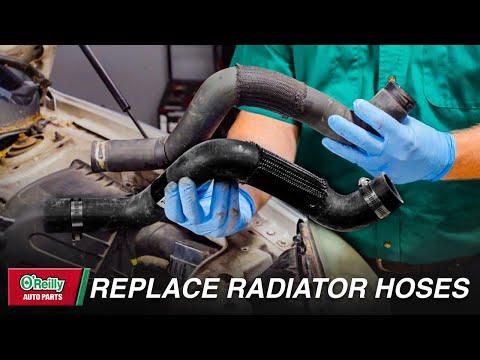



How to Replace the Radiator Hose on a 2008-2017 Honda Accord (Engine: V6 3.5L)
Step-by-step instructions with tools, parts, safety tips, and cooling system bleed steps
How to Replace the Radiator Hose on a 2008-2017 Honda Accord (Engine: V6 3.5L)
Step-by-step instructions with tools, parts, safety tips, and cooling system bleed steps for 2008, 2009, 2010, 2011, 2012, 2013, 2014, 2015, 2016, 2017


🔧 Radiator Hose - Replacement
This job replaces the coolant hose that connects the radiator to the engine cooling system. On your Accord, the key is to keep coolant loss low, transfer the clamps correctly, and refill/bleed the system so the engine does not overheat.
Difficulty Level: Intermediate | Estimated Time: 1-2 hours
⚠️ Safety & Precautions
- Let the engine cool completely before opening the cooling system. Hot coolant can cause severe burns.
- Use a drain pan. Coolant is toxic and slippery.
- Do not run the engine with low coolant.
- Keep hands clear of the cooling fan. It can start unexpectedly.
- If your radiator hose runs near the accessory drive, keep loose clothing and tools away from moving parts.
- Battery disconnect is not required for this repair.
🔧 Required Tools
You'll need the following tools for this repair:
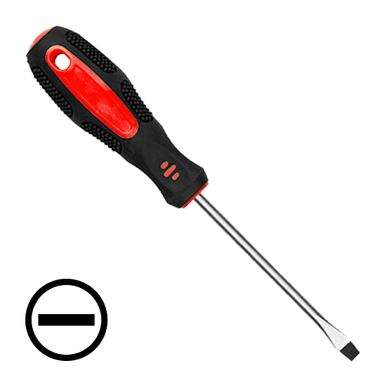
- Flat blade screwdriver
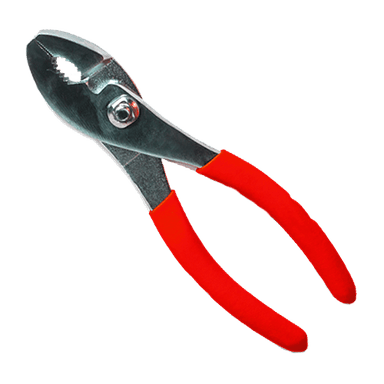
- Pliers
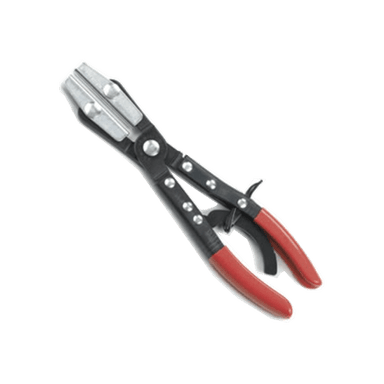
- Hose clamp pliers (specialty)
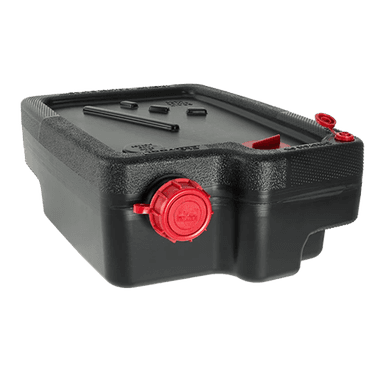
- Drain pan
- Funnel
- 10mm socket
- Ratchet
- Extension bar
- Safety glasses
- Nitrile gloves
- Jack stands
- Floor jack (rated 3-ton minimum)
🔩 Required Parts
HowToo sells all the parts you need for this repair:
- Radiator hose - Qty: 1
- Coolant hose clamps - Qty: 2
- Honda Type 2 coolant - Qty: 1-2 gallons
📋 Before You Begin
- Park on level ground and set the parking brake.
- Let the engine cool fully.
- Raise the front of the vehicle only if needed for access, and support it with jack stands.
- Open the radiator cap only when the engine is cold.
- Drain enough coolant so the hose level is below the hose you are replacing.
🔨 Step-by-Step Instructions
Follow these steps in order:
Step 1: Drain the coolant
- Use a drain pan under the radiator drain area.
- Open the radiator drain cock or disconnect the lower hose slightly, depending on access.
- Drain enough coolant so the hose you are replacing is mostly empty.
- Keep the coolant clean if you plan to reuse it.
Step 2: Remove any access parts
- Use a 10mm socket and ratchet to remove any air ducting, covers, or engine appearance covers blocking the hose.
- Set all fasteners aside in order.
Step 3: Remove the old hose clamps
- Use hose clamp pliers or pliers to squeeze the spring clamps and slide them back on the hose.
- If the hose uses worm clamps, use a flat blade screwdriver to loosen them.
- Move the clamps far enough back so the hose can come off cleanly.
Step 4: Remove the old radiator hose
- Twist the hose gently by hand to break it free.
- If it is stuck, use a flat blade screwdriver carefully at the hose end to lift it free.
- Pull the hose off the radiator neck and engine pipe.
- Do not pry hard on the aluminum neck.
Step 5: Install the new hose
- Compare the new hose to the old one before installing.
- Push the hose fully onto the radiator and engine fittings.
- Position the clamps in the same spot as the originals, just behind the bead on each fitting.
- Use hose clamp pliers or pliers to secure the spring clamps.
Step 6: Reinstall removed parts
- Use a 10mm socket and ratchet to reinstall any covers or air ducts removed earlier.
- Make sure nothing rubs on the hose.
Step 7: Refill and bleed the cooling system
- Use a funnel to refill with the correct Honda coolant.
- Fill the radiator and reservoir to the proper marks.
- Start the engine and let it idle with the heater set to full hot.
- Watch the coolant level and top off as air bubbles purge.
- Replace the radiator cap once the level stabilizes.
- Torque to 3.4 Nm (30 in-lbs) if your radiator drain cock or cap retaining fastener uses a service torque spec and is applicable.
Step 8: Inspect for leaks
- Check both ends of the hose for seepage.
- Verify the engine reaches normal temperature.
- Confirm the cooling fan cycles normally.
✅ After Repair
- Recheck coolant level after a full heat cycle and after the engine cools again.
- Inspect the hose and clamps the next day for any dampness.
- If the temperature gauge rises above normal, shut the engine off and recheck coolant level immediately.
- Top off the reservoir as needed.
💰 DIY vs Shop Cost
Shop Cost: $220-$450 (parts + labor)
DIY Cost: $45-$120 (parts only)
You Save: $175-$330 by doing it yourself!
Shop labor rates vary but typically run $100-$150/hour. This repair takes a shop approximately 1-2 hours.
🎯 Ready to get started?
HowToo makes it easy: same-day/2-day shipping on every part, plus all the tools and specialty tools you need! Check out the parts and tools sections below to add everything to your cart.
Guide for Radiator Coolant Hose replace for these Honda vehicles
| Year Make Model | Sub Model | Engine | Body Style |
|---|---|---|---|
| 2017 Honda Accord | - | Inline 4 2.4L | - |
| 2017 Honda Accord | - | V6 3.5L | - |
| 2017 Honda Accord | - | Inline 4 2.0L | - |
| 2016 Honda Accord | - | Inline 4 2.4L | - |
| 2016 Honda Accord | - | V6 3.5L | - |
| 2015 Honda Accord | - | Inline 4 2.4L | - |
| 2015 Honda Accord | - | V6 3.5L | - |
| 2015 Honda Accord | - | Inline 4 2.0L | - |
| 2014 Honda Accord | - | Inline 4 2.4L | - |
| 2014 Honda Accord | - | V6 3.5L | - |
| 2014 Honda Accord | - | Inline 4 2.0L | - |
| 2013 Honda Accord | - | Inline 4 2.4L | - |
| 2013 Honda Accord | - | V6 3.5L | - |
| 2012 Honda Accord | - | Inline 4 2.4L | - |
| 2012 Honda Accord | - | V6 3.5L | - |
| 2011 Honda Accord | - | Inline 4 2.4L | - |
| 2011 Honda Accord | - | V6 3.5L | - |
| 2010 Honda Accord | - | Inline 4 2.4L | - |
| 2010 Honda Accord | - | V6 3.5L | - |
| 2009 Honda Accord | - | Inline 4 2.4L | - |
| 2009 Honda Accord | - | V6 3.5L | - |
| 2008 Honda Accord | - | Inline 4 2.4L | - |
| 2008 Honda Accord | - | V6 3.5L | - |