













How to Replace the Radiator Hose on a 2008-2013 Toyota Highlander
Step-by-step DIY guide with coolant refill, bleeding tips, tools, parts, and torque specs for 2008, 2009, 2010, 2011, 2012, 2013
How to Replace the Radiator Hose on a 2008-2013 Toyota Highlander
Step-by-step DIY guide with coolant refill, bleeding tips, tools, parts, and torque specs for 2008, 2009, 2010, 2011, 2012, 2013


🔧 Highlander - Radiator Hose Replacement
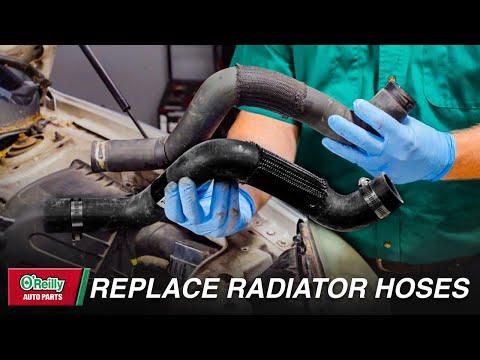
This repair replaces a leaking, swollen, cracked, or soft radiator hose on your Highlander. The upper and lower radiator hoses carry hot coolant between the engine and radiator, so the cooling system must be depressurized and partially drained before removal.
Difficulty Level: Beginner | Estimated Time: 1-2 hours
Assumption: These steps cover the upper or lower radiator hose; replace the matching hose that is damaged.
⚠️ Safety & Precautions
- ⚠️ Never open the radiator cap or coolant reservoir cap when the engine is hot. Hot coolant can spray out and burn you.
- ⚠️ Let the engine cool completely for at least 2-3 hours before starting.
- ⚠️ Keep Toyota Super Long Life Coolant away from pets and children; it is poisonous.
- ⚠️ Wear safety glasses and gloves because coolant can splash when the hose comes loose.
- ⚠️ Battery disconnect is not required for this repair.
🔧 Required Tools
You'll need the following tools for this repair:
- Safety glasses
- Nitrile gloves
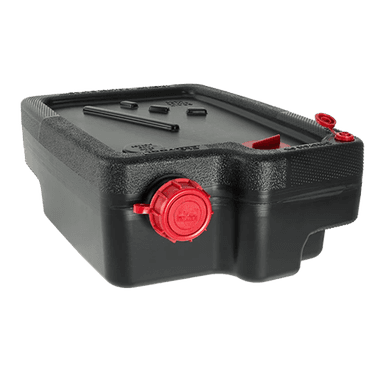
- Drain pan, 2-gallon minimum
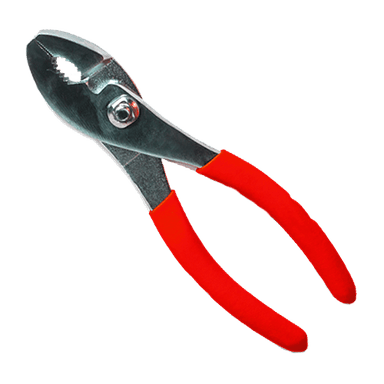
- Slip-joint pliers, 10-inch
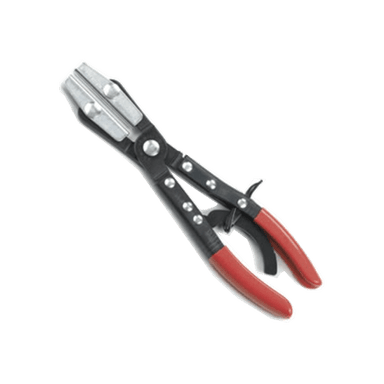
- Hose clamp pliers (specialty)
- Flathead screwdriver, medium
- Plastic trim tool
- Funnel with narrow spout
- Torque wrench, inch-pound range
- 8mm socket
- 10mm socket
- Ratchet, 3/8-inch drive
- Shop towels
- Flashlight
Hose clamp pliers squeeze spring clamps evenly and safely.
🔩 Required Parts
HowToo sells all the parts you need for this repair:
- Upper radiator hose - Qty: 1, if replacing upper hose
- Lower radiator hose - Qty: 1, if replacing lower hose
- Radiator hose spring clamps - Qty: 2, recommended if original clamps are weak or rusty
- Toyota Super Long Life Coolant, pink premixed 50/50 - Qty: 1-2 gallons
📋 Before You Begin
- 🚗 Park your Highlander on level ground and set the parking brake.
- ❄️ Make sure the engine is completely cold before opening the cooling system.
- 🧴 Place a drain pan under the radiator drain area before loosening any hose.
- 📸 Take a photo of the hose routing and clamp positions before removal.
- 🧼 Wipe dirt away from the radiator neck and engine hose connection so debris does not enter the cooling system.
🔨 Step-by-Step Instructions
Follow these steps in order:
Step 1: Remove the Radiator Cap
- Use your gloved hand to slowly turn the radiator cap counterclockwise only after the engine is fully cold.
- Press down and turn again to remove the cap completely.
- Set the cap on a clean shop towel.
- Cold engine only. No shortcuts.
Step 2: Drain Some Coolant
- Place the 2-gallon drain pan under the radiator drain area.
- Use your hand or slip-joint pliers to carefully open the radiator drain petcock if accessible.
- A drain petcock is the small plastic drain valve at the bottom of the radiator.
- Drain enough coolant so the level drops below the hose you are replacing.
- If the drain petcock is hard to reach, use hose clamp pliers to loosen the lower end of the hose slowly and drain into the pan.
- Close the drain petcock by hand once coolant flow slows. Do not overtighten plastic parts.
Step 3: Move Anything Blocking Access
- Use a 10mm socket and ratchet to remove any small engine cover fasteners or brackets blocking hose access.
- Use a plastic trim tool to move plastic clips gently without cracking them.
- Use a flashlight to inspect both ends of the radiator hose before removing it.
Step 4: Release the Hose Clamps
- Use hose clamp pliers to squeeze the spring clamp tabs together.
- Slide each clamp several inches away from the hose end.
- If screw-style clamps are installed, use an 8mm socket or flathead screwdriver to loosen them.
- Do not pry against the plastic radiator neck because it can crack.
Step 5: Remove the Old Radiator Hose
- Use your gloved hand to twist the hose gently back and forth to break it loose.
- If it is stuck, use a flathead screwdriver carefully between the hose and metal fitting only to loosen the edge.
- Do not dig the screwdriver into the radiator plastic neck.
- Pull the hose off one end, then the other end.
- Keep the drain pan under the hose because more coolant will spill.
- Twist first, pull second.
Step 6: Clean the Hose Connections
- Use shop towels to wipe the radiator neck and engine-side fitting clean.
- Use the flashlight to check for cracks, corrosion, or old rubber stuck to the fittings.
- If the radiator neck is cracked, the radiator must be repaired or replaced before installing the hose.
Step 7: Install the New Radiator Hose
- Compare the new hose to the old hose before installation. The bends and length should match.
- Use your hand to slide the clamps onto the new hose before installing it.
- Push the new hose fully onto the radiator neck and engine fitting until it seats past the raised bead.
- The raised bead is the small ridge that helps keep the hose from slipping off.
- Use hose clamp pliers to move each spring clamp into its original position, just behind the raised bead.
- If using screw-style clamps, use an 8mm socket and inch-pound torque wrench to tighten them snugly. Torque to 3-5 Nm (27-44 in-lbs)
- Do not overtighten clamps on plastic radiator fittings.
Step 8: Refill the Cooling System
- Use a funnel with narrow spout to fill the radiator with Toyota Super Long Life Coolant, pink premixed 50/50.
- Fill slowly until coolant reaches the radiator neck.
- Fill the coolant reservoir to the FULL mark.
- Install the radiator cap by hand and turn it clockwise until fully locked.
Step 9: Bleed Air from the Cooling System
- Start the engine and set the cabin heater to full hot with the blower on low.
- Let the engine idle while watching the temperature gauge.
- Use a flashlight to check both hose ends for leaks.
- When the radiator fans cycle on and off once, shut the engine off.
- Let the engine cool completely, then recheck the coolant level in the radiator and reservoir.
- Add more Toyota pink premixed coolant if the level dropped.
Step 10: Reinstall Removed Covers or Brackets
- Use a 10mm socket and ratchet to reinstall any brackets or covers removed for access.
- Use a plastic trim tool to reinstall any plastic clips.
- For small 10mm cover bolts, tighten snugly by hand. Torque to 5-7 Nm (44-62 in-lbs)
✅ After Repair
- ✅ Check for leaks with the engine idling and again after a short drive.
- ✅ Watch the temperature gauge during the first drive; it should stay in the normal range.
- ✅ Recheck coolant level after the engine cools completely.
- ✅ Dispose of old coolant properly at a recycling center or repair facility. Do not pour it on the ground or into a drain.
- ✅ If the heater blows cold air or the temperature gauge rises, stop driving and recheck coolant level after the engine cools.
💰 DIY vs Shop Cost
Shop Cost: $180-$350 (parts + labor)
DIY Cost: $35-$90 (parts only)
You Save: $145-$260 by doing it yourself!
Shop labor rates vary but typically run $100-$150/hour. This repair takes a shop approximately 0.8-1.5 hours.
🎯 Ready to get started?
HowToo makes it easy: same-day/2-day shipping on every part, plus all the tools and specialty tools you need! Check out the parts and tools sections below to add everything to your cart.