









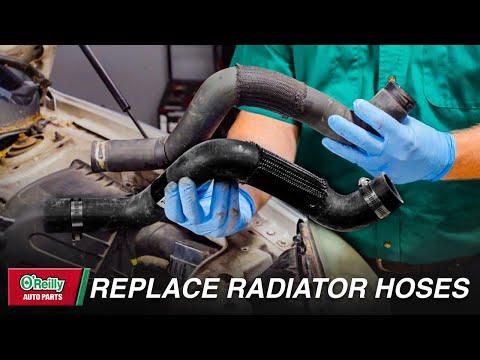




How to Replace the Radiator Hose on a 2007-2018 Toyota Yaris (Engine: Inline 4 1.5L | Body: Hatchback)
Step-by-step instructions with tools, parts, safety tips, and leak checks
How to Replace the Radiator Hose on a 2007-2018 Toyota Yaris (Engine: Inline 4 1.5L | Body: Hatchback)
Step-by-step instructions with tools, parts, safety tips, and leak checks for 2007, 2008, 2009, 2010, 2011, 2012, 2013, 2014, 2015, 2016, 2017, 2018


🔧 Radiator Hose - Replacement
The radiator hose carries coolant between the engine and radiator. If it is cracked, swollen, soft, or leaking, replacing it now can prevent an overheating problem and possible engine damage.
Difficulty Level: Beginner | Estimated Time: 1-2 hours
⚠️ Safety & Precautions
- Do not open the cooling system when the engine is hot. Hot coolant can cause severe burns.
- Work with the engine completely cool.
- Use jack stands if you raise the vehicle. Never rely on a jack alone.
- Coolant is toxic. Keep it away from children, pets, and painted surfaces.
- If your hose uses spring clamps, they can snap back suddenly. Wear gloves and safety glasses.
🔧 Required Tools
You'll need the following tools for this repair:
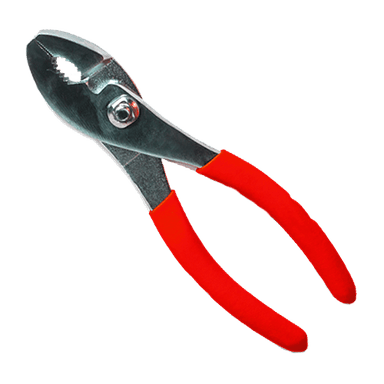
- Pliers
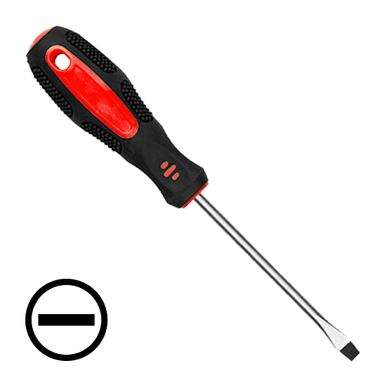
- Flathead screwdriver
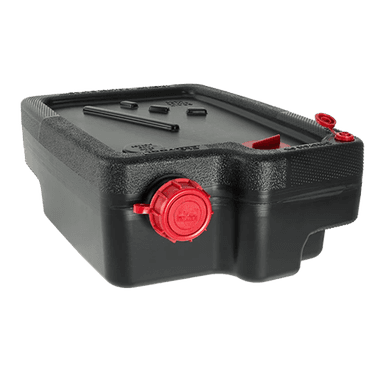
- Drain pan
- Funnel
- Gloves
- Safety glasses
- Jack stands
- Floor jack
- Shop towels
- Trim clip tool (specialty)
🔩 Required Parts
HowToo sells all the parts you need for this repair:
- Radiator hose - Qty: 1
- Coolant - Qty: 1 to 2 gallons, as needed
- Hose clamps - Qty: 2, replace if damaged or rusted
📋 Before You Begin
- Park on level ground and set the parking brake.
- Let the engine cool fully before starting.
- Place a drain pan under the radiator area.
- Have the new hose and clamps ready before removing the old hose.
🔨 Step-by-Step Instructions
Follow these steps in order:
Step 1: Relieve pressure and drain coolant
- Make sure the engine is cold, then slowly remove the coolant reservoir cap.
- Use a drain pan under the radiator drain area and open the drain if equipped.
- If there is no drain, loosen the lower hose carefully with pliers just enough to let coolant flow into the pan.
Step 2: Remove the old hose
- Use pliers to slide the spring clamps away from both ends of the hose.
- Use a flathead screwdriver to gently break the hose seal if it is stuck.
- Twist the hose back and forth, then pull it off the radiator and engine pipe.
- Twist first, then pull.
Step 3: Inspect the fittings
- Use a shop towel to clean the radiator neck and engine pipe.
- Check for rust, pitting, or sharp edges that could damage the new hose.
- Replace any damaged clamps with the new hose clamps.
Step 4: Install the new hose
- Slide the clamps onto the new radiator hose before installation.
- Push the hose fully onto both fittings until it seats against the stops.
- Position the clamps over the original clamp marks.
- Use pliers to secure the spring clamps in place.
- Make sure the hose is not twisted.
Step 5: Refill the cooling system
- Close the radiator drain if it was opened.
- Use a funnel to refill with the correct coolant.
- Fill the reservoir to the proper mark.
- Leave the cap off for initial air bleeding if needed.
Step 6: Bleed air and check for leaks
- Start the engine and let it idle with the heater set to warm.
- Watch the coolant level and top off as air escapes.
- Feel the hose after it warms up; it should get firm, not balloon.
- Check both ends of the hose for leaks.
- Install the cap once the coolant level stabilizes.
✅ After Repair
- Take a short test drive and watch the temperature gauge.
- Recheck coolant level after the engine cools again.
- Inspect for dried coolant residue around both hose connections.
- If the temperature rises above normal, stop and recheck for trapped air or leaks.
💰 DIY vs Shop Cost
Shop Cost: $180-$350 (parts + labor)
DIY Cost: $35-$90 (parts only)
You Save: $145-$260 by doing it yourself!
Shop labor rates vary but typically run $100-$150/hour. This repair takes a shop approximately 1-2 hours.
🎯 Ready to get started?
HowToo makes it easy: same-day/2-day shipping on every part, plus all the tools and specialty tools you need! Check out the parts and tools sections below to add everything to your cart.