









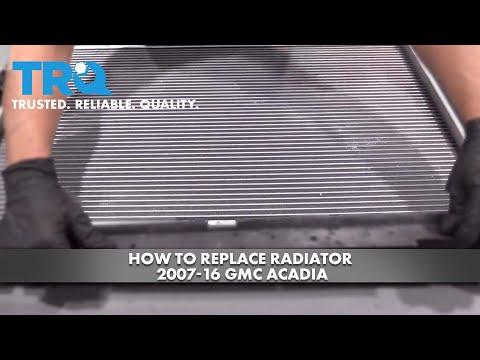







How to Replace the Radiator Hose on a 2007-2016 GMC Acadia (Upper or Lower) (Engine: V6 3.6L)
Step-by-step cooling system guide with tools, parts, Dex-Cool refill/bleed tips, and safety checks
How to Replace the Radiator Hose on a 2007-2016 GMC Acadia (Upper or Lower) (Engine: V6 3.6L)
Step-by-step cooling system guide with tools, parts, Dex-Cool refill/bleed tips, and safety checks for 2007, 2008, 2009, 2010, 2011, 2012, 2013, 2014, 2015, 2016


🔧 Acadia - Radiator Hose Replacement
Replacing a radiator hose stops coolant leaks and prevents overheating. You’ll remove the old hose, install the new one with secure clamps, then refill/bleed the cooling system so no air pockets remain.
Difficulty Level: Intermediate | Estimated Time: 1.0-2.0 hours
Assumption: steps apply to either upper or lower radiator hose.
⚠️ Safety & Precautions
- ⚠️ Never open the coolant cap on a hot engine; hot coolant can spray and burn.
- ⚠️ Support the SUV with jack stands; never rely on a jack alone.
- ⚠️ Keep coolant off belts and electrical connectors; wipe spills immediately.
- ⚠️ Coolant is toxic—use a drain pan and keep it away from kids/pets.
- ⚠️ Battery disconnect is not required for this job.
🔧 Required Tools
You'll need the following tools for this repair:
- Safety glasses
- Nitrile gloves
- Floor jack (rated 3-ton minimum)
- Jack stands (rated 3-ton minimum)
- Wheel chocks
- Drain pan (at least 3-gallon)
- Hose clamp pliers (specialty)
- Pick tool
- Flathead screwdriver
- 8mm socket
- 10mm socket
- 3/8" drive ratchet
- 3/8" drive extension (6")
- Torque wrench (3/8" drive)
- Funnel
- Shop towels
🔩 Required Parts
HowToo sells all the parts you need for this repair:
- Radiator hose (upper or lower, as needed) - Qty: 1
- Hose clamps (correct size for the hose) - Qty: 2
- Dex-Cool coolant (50/50 premix) - Qty: 1-2 gallons
📋 Before You Begin
- Park on level ground, set the parking brake, and place wheel chocks behind the rear wheels.
- Let the engine cool completely (ideally several hours).
- Put on safety glasses and nitrile gloves.
- Position a drain pan under the radiator area before loosening anything.
🔨 Step-by-Step Instructions
Follow these steps in order:
Step 1: Raise the front (if you’re doing the lower hose)
- Use a floor jack (rated 3-ton minimum) to lift the front at the approved lift point.
- Set the vehicle onto jack stands (rated 3-ton minimum) and give it a firm shake test.
Step 2: Relieve any leftover pressure
- Place a shop towel over the coolant surge tank cap.
- Slowly loosen the cap by hand to release any pressure, then remove it fully.
Step 3: Drain coolant to below hose level
- Position the drain pan (at least 3-gallon) under the radiator.
- Open the radiator drain (if accessible) by turning it carefully using a flathead screwdriver.
- If the drain isn’t accessible, you can drain by loosening the lower hose clamp in Step 5 and letting coolant flow into the pan.
Step 4: Remove any covers blocking access
- Remove any upper engine cover/air ducting in the way using an 8mm socket, 10mm socket, 3/8" drive ratchet, and 3/8" drive extension (6").
- Set fasteners aside where they won’t get lost.
Step 5: Release the hose clamps
- Use hose clamp pliers (specialty) to squeeze the clamp tabs and slide the clamp back several inches on the hose.
- Clamp pliers lock the clamp open for you.
- If you have screw-type clamps instead, loosen them with a flathead screwdriver.
Step 6: Remove the old hose
- Twist the hose by hand to break it free from the fitting.
- If it’s stuck, gently work around the edge with a pick tool to break the seal.
- Don’t pry hard—plastic fittings crack easily.
- Pull the hose off and let remaining coolant drain into the drain pan.
Step 7: Inspect and clean the fittings
- Wipe the radiator neck and engine-side neck with shop towels.
- Check for cracks, deep corrosion, or a broken hose bead (the raised lip that holds the clamp). If damaged, don’t force the new hose on.
Step 8: Install the new hose and clamps
- Slide the new clamps onto the new hose before installing the hose.
- Push the hose fully onto each fitting until it bottoms out.
- Use hose clamp pliers (specialty) to position spring clamps directly over the fitting’s bead (raised lip).
- If using screw clamps, tighten with a flathead screwdriver until snug (do not crush the hose).
Step 9: Reinstall anything you removed
- Reinstall ducts/covers using an 8mm socket and 10mm socket with a 3/8" drive ratchet.
- If you removed any small bracket bolts, tighten with a torque wrench (3/8" drive) to Torque to 10 Nm (89 in-lbs) unless the bolt size/label indicates otherwise.
Step 10: Refill coolant
- Close the radiator drain (if used) by hand, then snug carefully with a flathead screwdriver.
- Use a funnel to fill the surge tank with Dex-Cool coolant (50/50 premix) to the COLD line.
Step 11: Bleed air from the cooling system
- Start the engine and set the HVAC to full HOT (this opens coolant flow through the heater core).
- Let the engine idle while watching the coolant level; add coolant using a funnel as the level drops.
- When the engine reaches operating temperature, you should feel the radiator hose get hot (thermostat opened).
- Shut the engine off, let it cool, then recheck and top off to the COLD line.
Step 12: Lower the vehicle
- Use the floor jack (rated 3-ton minimum) to lift slightly, remove jack stands (rated 3-ton minimum), then lower the vehicle.
✅ After Repair
- With the engine running, inspect both ends of the hose for seepage or spraying.
- Take a 10–15 minute test drive, then recheck for leaks.
- After the next full cool-down, recheck the surge tank level and top off with Dex-Cool coolant (50/50 premix) if needed.
- Dispose of old coolant properly (most parts stores accept it for recycling).
💰 DIY vs Shop Cost
Shop Cost: $250-$550 (parts + labor)
DIY Cost: $35-$120 (parts only)
You Save: $130-$430 by doing it yourself!
Shop labor rates vary but typically run $100-$150/hour. This repair takes a shop approximately 1.0-1.8 hours.
🎯 Ready to get started?
HowToo makes it easy: same-day/2-day shipping on every part, plus all the tools and specialty tools you need! Check out the parts and tools sections below to add everything to your cart.
Guide for Radiator Coolant Hose replace for these GMC vehicles
| Year Make Model | Sub Model | Engine | Body Style |
|---|---|---|---|
| 2016 GMC Acadia | - | V6 3.6L | - |
| 2015 GMC Acadia | - | V6 3.6L | - |
| 2014 GMC Acadia | - | V6 3.6L | - |
| 2013 GMC Acadia | - | V6 3.6L | - |
| 2012 GMC Acadia | - | V6 3.6L | - |
| 2011 GMC Acadia | - | V6 3.6L | - |
| 2010 GMC Acadia | - | V6 3.6L | - |
| 2009 GMC Acadia | - | V6 3.6L | - |
| 2008 GMC Acadia | - | V6 3.6L | - |
| 2007 GMC Acadia | - | V6 3.6L | - |