















How to Replace the Power Steering Pump on a 2017 GMC Sierra 1500
Step-by-step DIY instructions with required tools, parts list, safety tips, and bleeding procedure
How to Replace the Power Steering Pump on a 2017 GMC Sierra 1500
Step-by-step DIY instructions with required tools, parts list, safety tips, and bleeding procedure


🔧 Sierra 1500 - Power Steering Pump Replacement
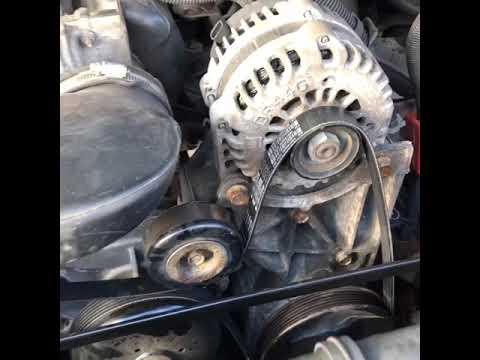
On your Sierra, the power steering pump is belt-driven and supplies hydraulic pressure to make steering easier. Replacing it usually involves removing the drive belt, disconnecting the pressure/return hoses, and (often) transferring the pump pulley to the new pump.
Difficulty Level: Advanced | Estimated Time: 2-4 hours
⚠️ Safety & Precautions
- 🛑 Let the engine cool fully; hot belts and exhaust parts can burn you.
- 🛑 Power steering fluid is flammable—keep away from sparks and wipe spills immediately.
- 🛑 Wear eye protection—fluid can spray when lines are loosened.
- 🛑 Your Sierra is MHEV (eAssist). Disconnecting power is important before working near the belt drive area.
- 🛑 Support the truck with jack stands if you raise it; never rely on a jack alone.
🔧 Required Tools
You'll need the following tools for this repair:
- Safety glasses
- Nitrile gloves
- Floor jack (rated 3-ton minimum)
- Jack stands (rated 3-ton minimum)
- Wheel chocks
- Drain pan (at least 2-gallon)
- Shop rags
- Serpentine belt tool (specialty)
- Socket set (8mm-18mm)
- Ratchet (3/8" drive)
- Breaker bar (3/8" or 1/2" drive)
- Torque wrench (10-150 ft-lbs)
- Line wrench set (flare nut wrenches)
- Power steering pulley puller/installer set (specialty)
- Trim clip/push-pin remover
- Flathead screwdriver
- Funnel
🔩 Required Parts
HowToo sells all the parts you need for this repair:
- Power steering pump - Qty: 1
- Power steering fluid (GM-approved type) - Qty: 2-3 quarts
- Power steering pressure line O-ring/seal kit - Qty: 1
- Power steering return hose clamp - Qty: 1
- Serpentine belt - Qty: 1
📋 Before You Begin
- Park on level ground, set the parking brake, and chock the rear wheels.
- Open the hood and remove the engine cover (if equipped).
- Disconnect the 12V battery negative cable using the correct socket/wrench for your terminal.
- If equipped with an eAssist 48V system, power it down using the factory service disconnect procedure before working near the belt drive. (This prevents the belt drive system from unexpectedly moving.)
- Place a drain pan under the front of the engine where the pump hoses connect.
🔨 Step-by-Step Instructions
Follow these steps in order:
Step 1: Confirm your replacement pump setup
- Check whether your new pump comes with the pulley installed or if you must transfer your old pulley.
- If the pulley must be transferred, you will use a power steering pulley puller/installer set (specialty). (This tool presses the pulley on/off without bending it.)
Step 2: Relieve system pressure and drain fluid
- Remove the power steering reservoir cap by hand.
- Use pliers/screwdriver (as needed for your clamp type) to loosen the return hose clamp at the reservoir/pump connection.
- Direct the return hose into your drain pan, then let fluid drain.
- Tip: Plug hoses with a rag to reduce mess.
Step 3: Remove any covers/air intake pieces for access
- Use the appropriate socket set (8mm-18mm) and trim clip remover to remove any upper shrouds/ducting that block access to the belt and pump.
Step 4: Remove the serpentine belt
- Use a serpentine belt tool (specialty) to rotate the belt tensioner and relieve tension.
- Slip the belt off the power steering pump pulley first, then release the tensioner slowly.
- Take a quick photo of the belt routing before removal.
Step 5: Disconnect the power steering lines from the pump
- Place the drain pan directly under the pump.
- Use line wrenches (flare nut wrenches) to loosen the pressure line fitting (helps prevent rounding the nut).
- Remove the return hose using the correct method for your clamp with pliers or a flathead screwdriver.
- Cap/plug the open lines with rags to keep dirt out.
Step 6: Remove the pump
- Use a ratchet and socket set (8mm-18mm) to remove the pump mounting bolts.
- Lift the pump out carefully without snagging hoses/wiring.
Step 7: If needed, transfer the pulley to the new pump
- Use the power steering pulley puller/installer set (specialty) to pull the pulley off the old pump.
- Use the same kit to press the pulley onto the new pump.
- Press the pulley until it matches the original installed depth so belt alignment is correct.
Step 8: Install the new pump
- Position the new pump and hand-start all mounting bolts to avoid cross-threading.
- Use a torque wrench to tighten fasteners to the correct OEM specifications.
- Reconnect the pressure line and install new seals/O-rings from the pressure line O-ring/seal kit.
- Reconnect the return hose and secure it with the clamp.
Step 9: Reinstall the serpentine belt
- Route the belt correctly using your photo as reference.
- Use the serpentine belt tool (specialty) to move the tensioner, slip the belt onto the last pulley, then release the tensioner slowly.
- Visually confirm the belt is seated in every pulley groove.
Step 10: Refill and bleed the power steering system
- Use a funnel to fill the reservoir with GM-approved power steering fluid to the correct level.
- With the front wheels off the ground (use floor jack and jack stands), turn the steering wheel slowly from lock-to-lock several times with the engine OFF.
- Check fluid level and top off as needed.
- Reconnect power, start the engine, and repeat slow lock-to-lock turns while watching for foaming and listening for whining.
- Tip: Don’t hold full lock more than 2 seconds.
✅ After Repair
- Inspect all hose connections and the pump area for leaks with the engine running.
- Verify there is no belt squeal and the belt tracks straight.
- Test drive at low speed and confirm steering assist feels smooth and quiet.
- Recheck the reservoir level after the test drive and top off if needed.
💰 DIY vs Shop Cost
Shop Cost: $600-$1,200 (parts + labor)
DIY Cost: $180-$450 (parts only)
You Save: $420-$750 by doing it yourself!
Shop labor rates vary but typically run $100-$150/hour. This repair takes a shop approximately 2-4 hours.
🎯 Ready to get started?
Before I lock in the exact Sierra-specific torque specs and the correct eAssist power-down steps, answer these two quick questions:
- 🧩 Does your new power steering pump come with the pulley already installed, or will you be reusing your old pulley?
- 🧩 Are we working on your Sierra with the eAssist 48V system (rear-seat battery), or was “MHEV” selected by mistake?
HowToo makes it easy: same-day/2-day shipping on every part, plus all the tools and specialty tools you need! Check out the parts and tools sections below to add everything to your cart.