












How to Replace the Power Steering Pump on a 2016 Volkswagen Tiguan
Step-by-step instructions with tools, parts, torque specs, and bleeding tips for 2009, 2010, 2011, 2012, 2013, 2014, 2015, 2016, 2017
How to Replace the Power Steering Pump on a 2016 Volkswagen Tiguan
Step-by-step instructions with tools, parts, torque specs, and bleeding tips for 2009, 2010, 2011, 2012, 2013, 2014, 2015, 2016, 2017


🔧 Power Steering Pump - Replacement
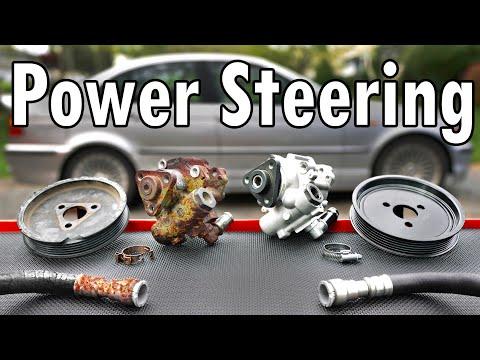
Your Tiguan uses a hydraulic power steering pump, so this job means removing the belt-driven pump, swapping it, and then refilling and bleeding the steering system. A clean bleed is important so the steering does not whine or feel heavy after the repair.
Difficulty Level: Advanced | Estimated Time: 3-5 hours
⚠️ Safety & Precautions
- Work only with the engine off and cool.
- Keep hands and tools away from the serpentine belt path.
- Use jack stands on level ground before going under the Tiguan.
- Hydraulic fluid can damage paint, rubber, and belts; wipe spills immediately.
- Disconnect the negative battery cable if you will work near the starter cable or alternator wiring.
🔧 Required Tools
You'll need the following tools for this repair:
- Metric socket set
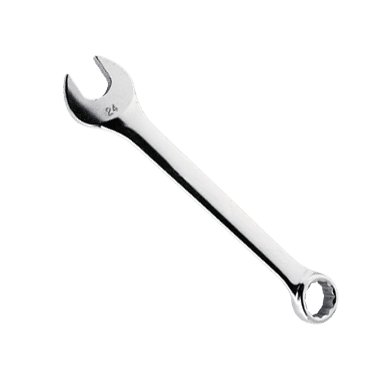
- Metric wrench set
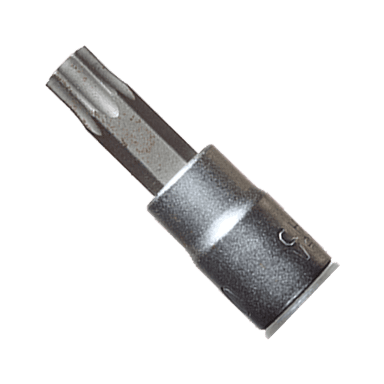
- Torx bit set
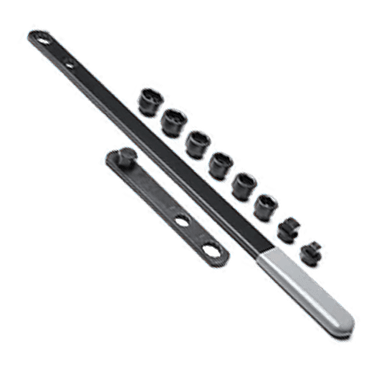
- Serpentine belt tool (specialty)
- Catch pan
- Fluid transfer pump
- Floor jack (rated 3-ton minimum)
- Jack stands
- Wheel chocks
- Drain pan
- Shop towels
- Safety glasses
- Nitrile gloves
🔩 Required Parts
HowToo sells all the parts you need for this repair:
- Power steering pump - Qty: 1
- Power steering fluid - Qty: 1-2 liters
- Power steering pump sealing washers - Qty: 1 set
- Drive belt - Qty: 1
- Hose clamps - Qty: 1 set
📋 Before You Begin
- Park on level ground and set the parking brake.
- Let the engine cool fully before starting.
- Raise the front of the Tiguan and support it securely on jack stands.
- Have a drain pan ready before opening any steering hoses.
- Cleanliness matters here.
🔨 Step-by-Step Instructions
Follow these steps in order:
Step 1: Remove the engine covers and gain access
- Use the correct Torx bits and metric sockets to remove any upper engine cover, intake ducting, or access shields blocking the pump.
- Set all fasteners aside in order so reassembly is easier.
Step 2: Relieve belt tension and remove the drive belt
- Use the serpentine belt tool (specialty) to rotate the tensioner and slip the belt off the pump pulley.
- Inspect the belt for cracks or glazing. Replace it if worn.
- Take a photo of belt routing first.
Step 3: Drain the power steering fluid
- Place a catch pan under the pump and hose connections.
- Use the correct metric wrench to loosen the return hose clamp and remove the hose.
- Let the fluid drain fully into the pan.
Step 4: Disconnect the pump lines
- Use the correct metric wrench or socket to remove the pressure line fitting from the pump.
- Cap or plug the open hose ends to keep dirt out.
- Remove any remaining return hose connections with a wrench and pull the hoses free.
Step 5: Remove the power steering pump
- Use the correct metric socket to remove the pump mounting bolts.
- Support the pump with one hand as you remove the last bolt.
- Lift the pump out through the access opening.
Step 6: Install the new pump
- Compare the new pump to the old one before installing it.
- Position the new pump in place and start all mounting bolts by hand.
- Use the metric socket to tighten the bolts evenly.
- Torque to 25 Nm (18 ft-lbs).
Step 7: Reconnect the hoses
- Install new sealing washers where required.
- Use the metric wrench to reconnect the pressure line and return hose.
- Torque the pressure line fitting to 30 Nm (22 ft-lbs).
- Make sure every hose is fully seated and clamped.
Step 8: Reinstall the drive belt
- Use the serpentine belt tool (specialty) to rotate the tensioner again.
- Route the belt exactly as it was before removal.
- Confirm the belt sits centered on every pulley.
Step 9: Refill the system
- Use a fluid transfer pump to add the correct power steering fluid to the reservoir.
- Fill only to the marked level.
- Do not overfill.
Step 10: Bleed the air out
- With the front wheels off the ground, turn the steering wheel slowly from lock to lock several times.
- Use the metric socket to check for loose clamps or fittings if you hear whining.
- Top off the fluid as the air purges from the system.
- Move the wheel slowly.
✅ After Repair
- Start the engine and let it idle.
- Turn the steering wheel left and right and listen for noise.
- Check all hose connections for leaks.
- Recheck fluid level after a short test drive.
- If the steering still whines, bleed the system again.
💰 DIY vs Shop Cost
Shop Cost: ₹28,000-₹55,000 (parts + labor)
DIY Cost: ₹9,000-₹20,000 (parts only)
You Save: ₹19,000-₹35,000 by doing it yourself!
Shop labor rates vary but typically run ₹8,000-₹12,000/hour. This repair takes a shop approximately 3-5 hours.
🎯 Ready to get started?
HowToo makes it easy: same-day/2-day shipping on every part, plus all the tools and specialty tools you need! Check out the parts and tools sections below to add everything to your cart.