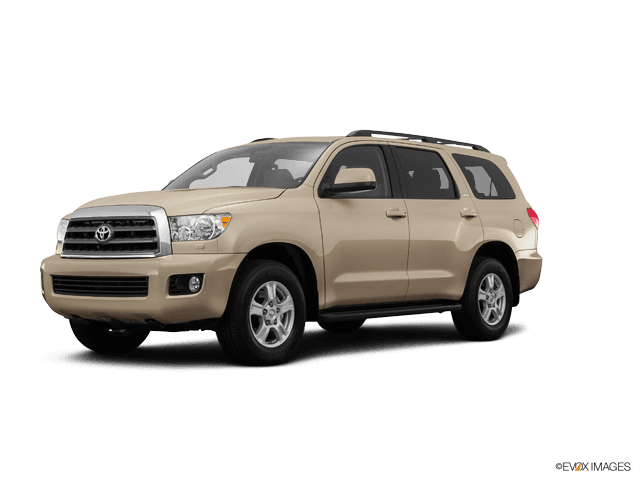













How to Replace the Power Steering Pump on a 2016 Toyota Sequoia
Step-by-step instructions with tools, parts, torque specs, and bleeding tips for 2008, 2009, 2010, 2011, 2012, 2013, 2014, 2015, 2016, 2017, 2018, 2019, 2020, 2021, 2022
How to Replace the Power Steering Pump on a 2016 Toyota Sequoia
Step-by-step instructions with tools, parts, torque specs, and bleeding tips for 2008, 2009, 2010, 2011, 2012, 2013, 2014, 2015, 2016, 2017, 2018, 2019, 2020, 2021, 2022


🔧 Power Steering Pump - Replacement
The power steering pump on your Sequoia is belt-driven and supplies hydraulic pressure for steering assist. Replacing it means removing the drive belt, disconnecting the fluid lines, swapping the pump, and bleeding the system so the steering turns smoothly again.
Difficulty Level: Intermediate | Estimated Time: 3-5 hours
⚠️ Safety & Precautions
- Work with the engine completely cool. The belt, pulleys, and fluid lines can be hot.
- Use jack stands if you lift the front of the vehicle. Never rely on a jack alone.
- Keep hands and tools clear of the fan and belt path.
- Do not let the power steering pump run dry. Add fluid before starting and bleed air out right away.
- Battery disconnect is not required for this repair, but keeping the ignition off is important.
- Catch spilled fluid fast to protect belts and paint.
🔧 Required Tools
You'll need the following tools for this repair:
- 10mm socket
- 12mm socket
- 14mm socket
- Ratchet
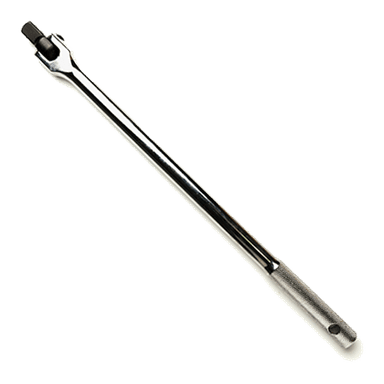
- Breaker bar
- Belt tensioner tool
- Drain pan
- Funnel
- Shop towels
- Line wrench set
- Torque wrench
- Floor jack (rated 3-ton minimum)
- Jack stands
- Safety glasses
- Gloves
- Trim clip removal tool
🔩 Required Parts
HowToo sells all the parts you need for this repair:
- Power steering pump - Qty: 1
- Power steering pump gasket or O-ring kit - Qty: 1
- Power steering fluid - Qty: 2-3 quarts
- Serpentine belt - Qty: 1
- Pressure hose seal washers - Qty: 2
📋 Before You Begin
- Park on level ground and set the parking brake.
- Let the engine cool fully.
- Raise the front of the Sequoia only if needed for access.
- Have a drain pan ready before disconnecting any fluid line.
- Take a quick photo of the belt routing first.
🔨 Step-by-Step Instructions
Follow these steps in order:
Step 1: Remove engine cover and clear access
- Use a 10mm socket to remove the engine cover fasteners, if equipped, and lift the cover off.
- Move any intake ducting or covers that block access to the power steering pump area.
Step 2: Drain the power steering reservoir
- Use a turkey baster or clean suction tool to remove as much fluid as possible from the reservoir into a drain pan.
- Wipe the reservoir opening clean with shop towels.
Step 3: Remove the serpentine belt
- Use a belt tensioner tool or breaker bar on the belt tensioner to relieve tension.
- Slip the belt off the power steering pump pulley and slowly release the tensioner.
- Remove the belt if it will block pump removal. Inspect the belt for cracks.
Step 4: Disconnect the fluid lines
- Place a drain pan under the pump.
- Use a line wrench set to loosen the pressure line fitting without rounding it off.
- Remove the return hose clamp and pull the return hose free.
- Cap or wrap the lines so dirt cannot get inside.
Step 5: Remove the pump mounting bolts
- Use a 12mm socket and ratchet to remove the pump mounting bolts.
- Support the pump with one hand while removing the last bolt.
- Lift the pump out through the available opening.
Step 6: Transfer fittings and prep the new pump
- Move any brackets, fittings, or pulleys from the old pump to the new one if required.
- Install new seal washers or O-rings from the kit.
- Lubricate new seals with clean fluid first.
Step 7: Install the new pump
- Set the new pump in place and start all mounting bolts by hand.
- Use a 12mm socket to snug the bolts evenly.
- Torque to 25 Nm (18 ft-lbs) unless the pump or bracket instructions specify otherwise.
Step 8: Reconnect the fluid lines
- Install the pressure line with the line wrench set and tighten it securely.
- Reconnect the return hose and clamp.
- Torque to 30 Nm (22 ft-lbs) for the pressure fitting if your fitting style uses a flare/banjo-type connection; tighten only to factory feel if the line style differs.
Step 9: Reinstall the belt
- Route the serpentine belt exactly as it was before.
- Use the belt tensioner tool to move the tensioner and slip the belt onto the power steering pump pulley last.
- Check that the belt sits fully in every pulley groove.
Step 10: Fill and bleed the system
- Use a funnel to fill the reservoir with the correct power steering fluid.
- With the front wheels off the ground, turn the steering wheel slowly from lock to lock several times with the engine off.
- Start the engine and keep the fluid level topped off.
- Turn the wheel slowly side to side again, but do not hold it hard against the stops.
- Repeat until bubbles stop appearing and the steering feels smooth.
Step 11: Reassemble and inspect
- Reinstall any covers or intake parts removed earlier.
- Use a 10mm socket to reinstall the engine cover.
- Check for leaks at the pump, pressure line, and return hose.
✅ After Repair
- Start the engine and listen for whining or squealing.
- Verify steering assist feels normal at parking-lot speeds.
- Recheck fluid level after a short test drive.
- Inspect for leaks again after the vehicle sits for 10-15 minutes.
- If noise remains, there may still be air trapped in the system.
💰 DIY vs Shop Cost
Shop Cost: $650-$1,150 (parts + labor)
DIY Cost: $180-$420 (parts only)
You Save: $470-$730 by doing it yourself!
Shop labor rates vary but typically run $100-$150/hour. This repair takes a shop approximately 3-5 hours.
🎯 Ready to get started?
HowToo makes it easy: same-day/2-day shipping on every part, plus all the tools and specialty tools you need! Check out the parts and tools sections below to add everything to your cart.