









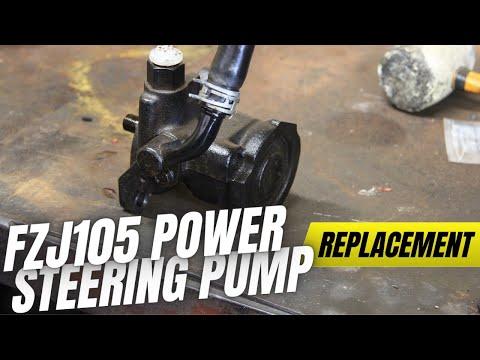




How to Replace the Power Steering Pump on a 2016 Toyota Land Cruiser
Step-by-step instructions with tools, parts, torque specs, safety tips, and bleeding procedure for 2008, 2009, 2010, 2011, 2013, 2014, 2015, 2016, 2017, 2018, 2019
How to Replace the Power Steering Pump on a 2016 Toyota Land Cruiser
Step-by-step instructions with tools, parts, torque specs, safety tips, and bleeding procedure for 2008, 2009, 2010, 2011, 2013, 2014, 2015, 2016, 2017, 2018, 2019


🔧 Power Steering Pump - Replacement
The power steering pump on your Land Cruiser supplies hydraulic pressure for steering assist. If it is noisy, leaking, or losing assist, replacing the pump and sealing washers will restore proper steering feel and help prevent pump failure.
Difficulty Level: Intermediate | Estimated Time: 3-5 hours
⚠️ Safety & Precautions
- Work with the engine completely cool before touching belts, pulleys, or fluid lines.
- Keep hands, hair, and clothing away from the serpentine belt and rotating pulleys.
- Use jack stands if you raise the vehicle; never rely on a jack alone.
- Power steering fluid can damage painted surfaces. Wipe spills immediately.
- Disconnect the negative battery cable before starting to reduce accidental cranking.
🔧 Required Tools
You'll need the following tools for this repair:
- 10mm socket
- 12mm socket
- 14mm socket
- Ratchet
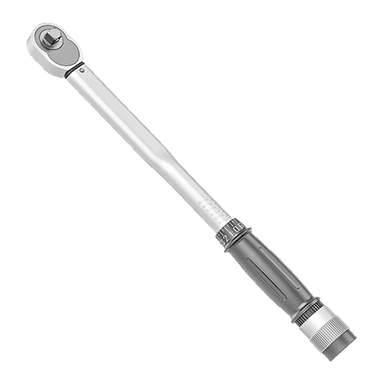
- Torque wrench
- Serpentine belt tool or long-handled breaker bar
- Line wrench set
- Drain pan
- Funnel
- Pliers
- Flat-blade screwdriver
- Shop towels
- Jack stands
- Floor jack (rated 3-ton minimum)
- Safety glasses
- Mechanic gloves
🔩 Required Parts
HowToo sells all the parts you need for this repair:
- Power steering pump - Qty: 1
- Power steering fluid - Qty: 2 quarts
- O-ring and sealing washer kit - Qty: 1
- Drive belt - Qty: 1
📋 Before You Begin
- Park on level ground and set the parking brake.
- Let the engine cool fully.
- Disconnect the negative battery cable.
- If the belt is cracked or glazed, replace it now since it must come off anyway.
- Label the hoses before removal.
🔨 Step-by-Step Instructions
Follow these steps in order:
Step 1: Disconnect power and open access
- Use a 10mm socket to disconnect the negative battery cable.
- Remove the engine cover if equipped.
- If needed, raise the front of the vehicle with a floor jack and support it with jack stands.
Step 2: Remove the drive belt
- Use a serpentine belt tool or long-handled breaker bar to relieve belt tension.
- Slip the belt off the power steering pump pulley.
- Remove the belt from the engine bay.
- Take a quick belt-routing photo first.
Step 3: Drain the power steering reservoir
- Use a drain pan under the vehicle.
- Remove fluid from the reservoir with a suction tool if available, or disconnect the return hose carefully.
- Catch and dispose of old fluid properly.
Step 4: Disconnect the hoses
- Use a line wrench set to loosen the pressure line fitting.
- Use pliers to release the return hose clamp.
- Cap or plug the openings to keep dirt out.
- Replace all sealing washers or O-rings with new ones.
Step 5: Remove the pump
- Use a 12mm socket and 14mm socket to remove the pump mounting bolts.
- Lift the pump out of the bracket.
- If the pulley must transfer to the new pump, use a pulley puller (specialty).
Step 6: Install the new pump
- Position the new pump in place.
- Install the mounting bolts by hand first with a 12mm socket or 14mm socket.
- Tighten the pump mounting bolts to factory specification.
- Reinstall the pulley if removed using the proper pulley installer tool.
Step 7: Reconnect hoses
- Install new sealing washers or O-rings on the pressure side.
- Use a line wrench set to tighten the pressure fitting.
- Reattach the return hose and clamp.
- Tighten all hose connections to factory specification.
Step 8: Reinstall the belt
- Route the belt correctly around all pulleys.
- Use the serpentine belt tool or long-handled breaker bar to release tension.
- Confirm the belt sits fully in each pulley groove.
Step 9: Refill and bleed the system
- Use a funnel to fill the reservoir with the correct power steering fluid.
- With the front wheels off the ground, turn the steering wheel slowly lock-to-lock several times.
- Top off the fluid as the level drops.
- Start the engine and repeat the slow steering cycles.
- Do not hold the wheel against the stop for more than a second.
Step 10: Check for leaks and finish
- Inspect the pump, hose fittings, and reservoir for leaks.
- Reinstall the engine cover.
- Reconnect the negative battery cable with a 10mm socket.
✅ After Repair
- Start the engine and listen for abnormal whining or squealing.
- Turn the steering wheel left and right to confirm smooth assist.
- Recheck fluid level after a short test drive.
- Inspect again for leaks after the first drive and the next day.
- Replace the fluid again if it becomes foamy or contaminated during bleeding.
💰 DIY vs Shop Cost
Shop Cost: $700-$1,300 (parts + labor)
DIY Cost: $220-$450 (parts only)
You Save: $480-$850 by doing it yourself!
Shop labor rates vary but typically run $100-$150/hour. This repair takes a shop approximately 3-5 hours.
🎯 Ready to get started?
HowToo makes it easy: same-day/2-day shipping on every part, plus all the tools and specialty tools you need! Check out the parts and tools sections below to add everything to your cart.