














How to Replace the Power Steering Pump on a 2010-2017 Chevrolet Equinox (Engine: V6 3.6L)
Step-by-step instructions with tools, parts, torque specs, and bleeding tips
How to Replace the Power Steering Pump on a 2010-2017 Chevrolet Equinox (Engine: V6 3.6L)
Step-by-step instructions with tools, parts, torque specs, and bleeding tips for 2010, 2011, 2012


🔧 Power Steering Pump - Replacement
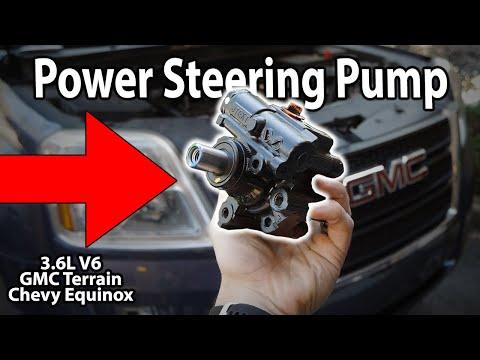
This job removes the belt-driven power steering pump, transfers any needed pulleys or brackets, and installs a new pump with fresh fluid. On your Equinox, expect a messy fluid drain and careful belt routing during reassembly.
Difficulty Level: Intermediate | Estimated Time: 3-5 hours
⚠️ Safety & Precautions
- Work with the engine off and cool. Power steering fluid can be hot and slippery.
- Disconnect the negative battery cable before working near the belt drive or starter area.
- Use jack stands on solid ground. Never rely on a floor jack alone.
- Keep fluid off the serpentine belt, pulleys, and alternator. Contamination can damage components.
- If your pump uses an electric connector or pressure sensor, unplug it before removal.
🔧 Required Tools
You'll need the following tools for this repair:
- Metric socket set
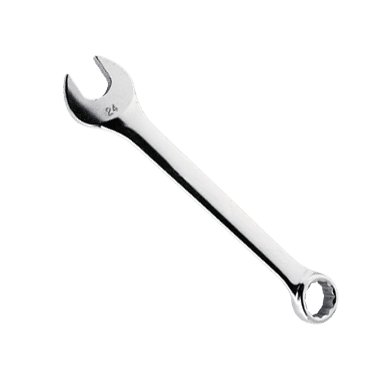
- Metric wrench set
- Ratchet
- Breaker bar
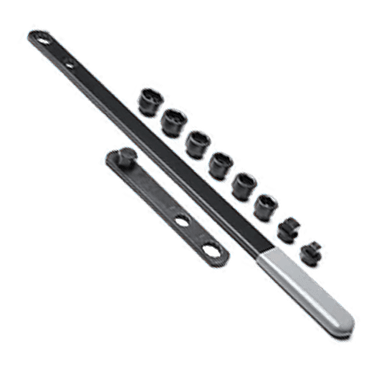
- Serpentine belt tool (specialty)
- Torque wrench
- Drain pan
- Shop towels
- Funnel
- Pliers
- Floor jack (rated 3-ton minimum)
- Jack stands
- Safety glasses
- Nitrile gloves
🔩 Required Parts
HowToo sells all the parts you need for this repair:
- Power steering pump - Qty: 1
- Power steering fluid - Qty: 2 quarts
- Serpentine belt - Qty: 1
- Power steering pump gasket or seal kit - Qty: 1
- Replacement hose clamps - Qty: 2
📋 Before You Begin
- Park on level ground and set the parking brake.
- Let the engine cool fully before starting.
- Disconnect the negative battery cable and isolate it so it cannot touch the terminal.
- If the belt routing sticker is missing, take a clear photo of the belt path before removing it.
- Raise the front of the vehicle and support it with jack stands if you need access from below.
🔨 Step-by-Step Instructions
Follow these steps in order:
Step 1: Remove splash shield and gain access
- Use the correct metric socket or wrench to remove any lower splash shield or access cover blocking the belt drive area.
- Set the fasteners aside in order so they go back in the same locations.
- Take a photo before removing anything.
Step 2: Remove the serpentine belt
- Use a serpentine belt tool (specialty) or breaker bar to rotate the belt tensioner.
- Slip the belt off the power steering pump pulley, then slowly release the tensioner.
- Inspect the belt for cracks, glazing, or fraying. Replace it if worn.
Step 3: Drain the power steering fluid
- Place a drain pan under the pump and hose connections.
- Use pliers or the proper wrench to loosen the return hose clamp and remove the hose.
- Allow the fluid to drain fully. Cap or plug the hose ends to keep dirt out.
Step 4: Disconnect pump lines and electrical connectors
- Use the correct metric wrench to disconnect the pressure line fitting from the pump.
- If equipped, unplug any electrical connector or sensor from the pump.
- Keep a shop towel under the fitting to catch leftover fluid.
Step 5: Remove the pump mounting bolts
- Use the correct metric socket and ratchet to remove the power steering pump mounting bolts.
- Support the pump with one hand while removing the last bolt.
- Remove the pump from the engine bay.
Step 6: Transfer any brackets or pulley if needed
- If the replacement pump does not include the same bracket or pulley, transfer them from the old unit.
- Use the proper socket, wrench, or pulley tool if a pulley swap is required.
- Do not hammer on the pulley.
Step 7: Install the new pump
- Position the new pump in place and start all mounting bolts by hand.
- Use a metric socket and torque wrench to tighten the mounting bolts.
- Torque to 25 Nm (18 ft-lbs) unless the replacement pump instructions specify otherwise.
Step 8: Reconnect hoses and connectors
- Reconnect the pressure line using the proper metric wrench.
- Install the return hose and secure it with a new clamp if needed.
- Reconnect any electrical connector until it clicks in place.
Step 9: Reinstall the serpentine belt
- Use the serpentine belt tool (specialty) to rotate the tensioner again.
- Route the belt correctly over every pulley and make sure it sits fully in the grooves.
- Double-check the belt path before releasing the tensioner.
Step 10: Fill and bleed the power steering system
- Use a funnel to fill the reservoir with the correct power steering fluid.
- With the front wheels still off the ground, turn the steering wheel slowly from lock to lock 10-15 times with the engine off.
- Start the engine and continue turning the wheel slowly left and right a few times.
- Top off the fluid as the level drops. Do not let the reservoir run dry.
- Torque to 8-12 Nm (71-106 in-lbs) for hose clamps or fittings only if your replacement hardware specifies a torque value.
Step 11: Reinstall covers and inspect for leaks
- Reinstall the splash shield and any access covers using the proper metric socket or wrench.
- Lower the vehicle and inspect all hose connections, the pump body, and the belt path for leaks or misalignment.
✅ After Repair
- Start the engine and listen for whining, squealing, or grinding noises.
- Turn the wheel fully left and right several times to finish bleeding the system.
- Recheck the fluid level after a short test drive and top off if needed.
- Inspect again for leaks around the pump, pressure fitting, and return hose.
- If the belt squeals, recheck routing and tensioner operation.
💰 DIY vs Shop Cost
Shop Cost: $450-$950 (parts + labor)
DIY Cost: $120-$320 (parts only)
You Save: $330-$630 by doing it yourself!
Shop labor rates vary but typically run $100-$150/hour. This repair takes a shop approximately 3-5 hours.
🎯 Ready to get started?
HowToo makes it easy: same-day/2-day shipping on every part, plus all the tools and specialty tools you need! Check out the parts and tools sections below to add everything to your cart.
Guide for Power Steering Pump replace for these Chevrolet vehicles
| Year Make Model | Sub Model | Engine | Body Style |
|---|---|---|---|
| 2017 Chevrolet Equinox | - | V6 3.6L | - |
| 2016 Chevrolet Equinox | - | V6 3.6L | - |
| 2015 Chevrolet Equinox | - | V6 3.6L | - |
| 2014 Chevrolet Equinox | - | V6 3.6L | - |
| 2013 Chevrolet Equinox | - | V6 3.6L | - |
| 2012 Chevrolet Equinox | - | V6 3.0L | - |
| 2011 Chevrolet Equinox | - | V6 3.0L | - |
| 2010 Chevrolet Equinox | - | V6 3.0L | - |