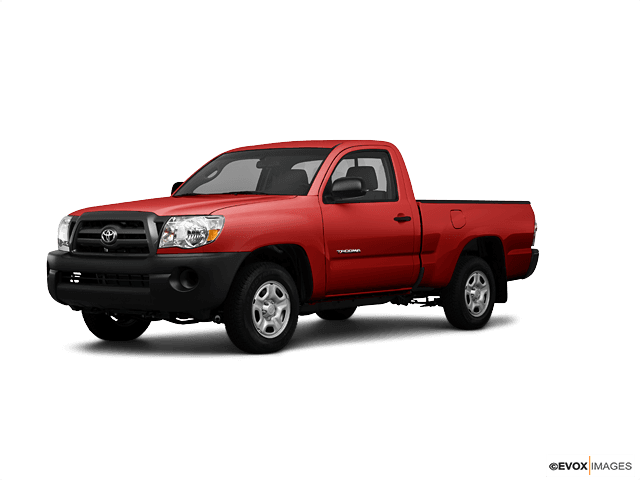









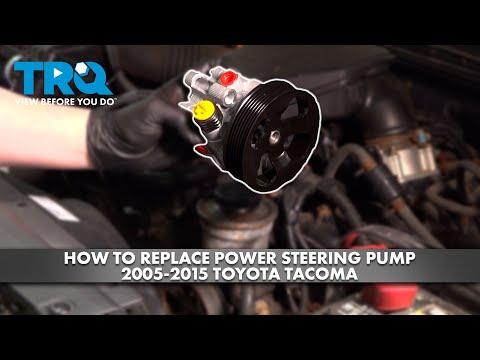







How to Replace the Power Steering Pump on a 2005-2014 Toyota Tacoma (Trim: Base | Engine: Inline 4 2.7L)
Step-by-step DIY guide with required tools/parts, torque specs, fluid fill & bleeding, and leak-check tips
How to Replace the Power Steering Pump on a 2005-2014 Toyota Tacoma (Trim: Base | Engine: Inline 4 2.7L)
Step-by-step DIY guide with required tools/parts, torque specs, fluid fill & bleeding, and leak-check tips for 2005, 2006, 2007, 2008, 2009, 2010, 2011, 2012, 2013, 2014


🔧 Tacoma - Power Steering Pump Replacement
The power steering pump builds hydraulic pressure so you can steer easily. Replacing it involves removing the drive belt, disconnecting the hoses/lines, swapping the pump (and pulley if needed), then bleeding air out of the system.
Difficulty Level: Intermediate | Estimated Time: 2-4 hours
⚠️ Safety & Precautions
- ⚠️ Work on a cool engine; hot parts and fluid can burn you.
- ⚠️ Power steering fluid is slippery and flammable; wipe spills immediately.
- ⚠️ Keep fluid off the serpentine belt and pulleys to prevent belt slip.
- ⚠️ Support the truck with jack stands if you raise the front wheels.
- Disconnecting the battery is recommended if your hands/tools will be near the radiator fan area.
🔧 Required Tools
You'll need the following tools for this repair:
- Safety glasses
- Nitrile gloves
- Floor jack (rated 3-ton minimum)
- Jack stands (rated 3-ton minimum)
- Wheel chocks
- Drain pan (at least 2-gallon)
- Shop rags
- Funnel
- Turkey baster or fluid suction pump
- 10mm socket
- 12mm socket
- 14mm socket
- 3/8" drive ratchet
- 6" extension (3/8")
- Torque wrench (10-80 ft-lbs range)
- 14mm box wrench
- 17mm flare-nut wrench
- Hose clamp pliers
- Pulley puller/installer set (specialty)
🔩 Required Parts
HowToo sells all the parts you need for this repair:
- Power steering pump - Qty: 1
- Power steering pressure fitting seal (O-ring) or crush washers - Qty: 1 set
- Power steering return hose clamp - Qty: 1
- DEXRON III/MERCON ATF (power steering fluid) - Qty: 2 quarts
- Serpentine belt - Qty: 1 (optional, if worn/contaminated)
📋 Before You Begin
- Park on level ground, set the parking brake, and chock the rear wheels.
- Plan for fluid cleanup; place a drain pan under the pump area.
- If you’ll raise the front end for bleeding, lift the front with a floor jack and support with jack stands.
- Take a quick photo of belt routing.
🔨 Step-by-Step Instructions
Follow these steps in order:
Step 1: Remove as much old fluid as possible
- Open the power steering reservoir cap.
- Use a turkey baster or fluid suction pump to suck old fluid from the reservoir into a drain pan.
Step 2: Remove the serpentine belt from the pump
- Use a 14mm socket with a 3/8" drive ratchet to rotate the belt tensioner and relieve belt tension.
- Slip the belt off the power steering pump pulley, then slowly release the tensioner.
Step 3: Disconnect the return hose (low pressure)
- Position a drain pan under the pump.
- Use hose clamp pliers to slide the clamp back on the return hose.
- Twist and pull the hose off the pump nipple by hand, and let it drain into the pan.
- Plug the hose with a rag to limit dripping.
Step 4: Disconnect the pressure line (high pressure)
- Clean the area around the pressure fitting with shop rags so dirt can’t enter.
- If your Tacoma uses a flare fitting: use a 17mm flare-nut wrench to loosen the pressure line fitting at the pump.
- If your Tacoma uses a banjo bolt: use a 17mm box wrench to remove the banjo bolt and discard the old crush washers.
- Cap/cover the open line with a clean rag.
Step 5: Remove the pump mounting bolts and take the pump out
- Remove any small brackets blocking access using a 10mm socket or 12mm socket (varies by bracket).
- Remove the pump mounting bolts using a 14mm socket, ratchet, and extension.
- Lift the pump out of the engine bay carefully, keeping it upright to reduce spills.
Step 6: Swap the pulley (only if your new pump doesn’t include one)
- A pulley puller/installer is a tool that presses the pulley off/on without bending it.
- Use the pulley puller/installer set (specialty) to remove the pulley from the old pump and install it onto the new pump.
- Install the pulley until it sits flush/aligned with the other belt pulleys.
Step 7: Install the new pump
- Set the new pump into place and start the mounting bolts by hand.
- Tighten mounting bolts using a 14mm socket, then final-tighten with a torque wrench to Torque to 39 Nm (29 ft-lbs).
Step 8: Reconnect the pressure line with new seals
- Install the new O-ring (flare style) or new crush washers (banjo style) from your parts kit.
- Thread the fitting/bolt in by hand first to avoid cross-threading.
- Final-tighten using a 17mm flare-nut wrench or 17mm box wrench to Torque to 44 Nm (32 ft-lbs).
Step 9: Reconnect the return hose
- Push the return hose fully onto the pump nipple by hand.
- Use hose clamp pliers to position the clamp back in its original spot.
Step 10: Reinstall the serpentine belt
- Route the belt using your photo (or the under-hood belt diagram if equipped).
- Use a 14mm socket and ratchet to rotate the tensioner, slip the belt onto the pump pulley, then release the tensioner slowly.
- Visually confirm the belt is seated in every pulley groove.
Step 11: Fill and bleed the power steering system
- Fill the reservoir with DEXRON III/MERCON ATF using a funnel to the “COLD” mark.
- If the front wheels are off the ground: with engine OFF, turn the steering wheel lock-to-lock slowly 15-20 times to push air out.
- Recheck fluid level and top off as needed.
- Start the engine and let it idle; do not rev it.
- Turn lock-to-lock slowly 5-10 more times, watching for bubbles/foam in the reservoir.
- Shut the engine off, let foam settle 5 minutes, then top off again.
- If it whines, there’s still air inside.
✅ After Repair
- With the engine idling, check the pump, return hose, and pressure fitting for leaks using a bright light and shop rags.
- Verify steering is smooth and quiet in a slow parking-lot test.
- Recheck fluid level after the test drive and again the next morning (cold).
- If the belt got oily, replace it (oil can cause slipping and noise).
💰 DIY vs Shop Cost
Shop Cost: $450-$850 (parts + labor)
DIY Cost: $120-$350 (parts only)
You Save: $300-$500 by doing it yourself!
Shop labor rates vary but typically run $100-$150/hour. This repair takes a shop approximately 2-3 hours.
🎯 Ready to get started?
HowToo makes it easy: same-day/2-day shipping on every part, plus all the tools and specialty tools you need! Check out the parts and tools sections below to add everything to your cart.
Guide for Power Steering Pump replace for these Toyota vehicles
| Year Make Model | Sub Model | Engine | Body Style |
|---|---|---|---|
| 2014 Toyota Tacoma | Base | V6 4.0L | - |
| 2014 Toyota Tacoma | Pre Runner | V6 4.0L | - |
| 2013 Toyota Tacoma | Base | V6 4.0L | - |
| 2013 Toyota Tacoma | Pre Runner | V6 4.0L | - |
| 2012 Toyota Tacoma | Base | V6 4.0L | - |
| 2012 Toyota Tacoma | Pre Runner | V6 4.0L | - |
| 2011 Toyota Tacoma | Base | V6 4.0L | - |
| 2011 Toyota Tacoma | Pre Runner | V6 4.0L | - |
| 2010 Toyota Tacoma | Base | V6 4.0L | - |
| 2010 Toyota Tacoma | Pre Runner | V6 4.0L | - |
| 2009 Toyota Tacoma | Base | V6 4.0L | - |
| 2009 Toyota Tacoma | Pre Runner | V6 4.0L | - |
| 2008 Toyota Tacoma | Base | V6 4.0L | - |
| 2008 Toyota Tacoma | Pre Runner | V6 4.0L | - |
| 2007 Toyota Tacoma | Base | V6 4.0L | - |
| 2007 Toyota Tacoma | Pre Runner | V6 4.0L | - |
| 2006 Toyota Tacoma | Base | V6 4.0L | - |
| 2006 Toyota Tacoma | Pre Runner | V6 4.0L | - |
| 2005 Toyota Tacoma | Base | V6 4.0L | - |
| 2005 Toyota Tacoma | Pre Runner | V6 4.0L | - |