









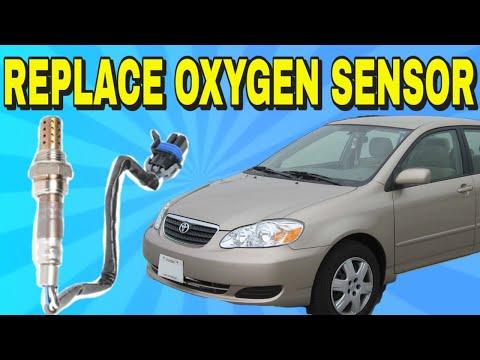






How to Replace the Oxygen Sensor on a 2021 Toyota Corolla
Step-by-step DIY guide with tools, parts list, torque specs, safety tips, and OBD2 reset instructions
How to Replace the Oxygen Sensor on a 2021 Toyota Corolla
Step-by-step DIY guide with tools, parts list, torque specs, safety tips, and OBD2 reset instructions


🔧 Corolla - Oxygen Sensor Replacement
You have more than one sensor: an upstream “air/fuel ratio” sensor near the engine and a downstream oxygen sensor after the catalytic converter. The steps and exact parts are different for each.
Difficulty Level: Intermediate | Estimated Time: 1–2 hours per sensor
⚠️ Safety & Precautions
- 🛑 Work on a completely cold exhaust; hot exhaust parts can burn you badly.
- 🛑 Support the car with jack stands, never only a jack, if you go under it.
- 🛑 Keep the battery connected for this job; do not crank engine while under the car.
- ⚡ Avoid pulling on sensor wires; always twist from the metal hex base.
- 🔥 Keep flammable items away from the exhaust and catalytic converter area.
🔧 Required Tools
You'll need the following tools for this repair:
- 🧰 Floor jack (rated 3-ton minimum)
- 🧰 Jack stands (rated 3-ton minimum)
- 🧰 Wheel chocks
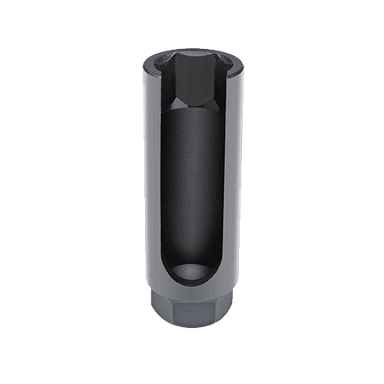
- 🧰 Oxygen sensor socket 22mm (specialty)
- 🧰 3/8" ratchet
- 🧰 3/8" extension 6"
- 🧰 Penetrating oil spray
- 🧰 Torque wrench 3/8" drive (10–75 ft-lb range)
- 🧰 Flathead screwdriver small
- 🧰 Needle-nose pliers
- 🧰 Work light or flashlight
- 🧰 Mechanic’s gloves
- 🧰 Safety glasses
- 🧰 OBD2 scan tool (basic)
🔩 Required Parts
HowToo sells all the parts you need for this repair:
- 🔩 Upstream air/fuel ratio sensor (Bank 1 Sensor 1) - Qty: 1
- 🔩 Downstream oxygen sensor (Bank 1 Sensor 2) - Qty: 1
- 🔩 Anti-seize compound (sensor-safe, nickel-based) - Qty: 1 small tube
- 🔩 Plastic harness clips - Qty: 2–4 (optional, if any break)
📋 Before You Begin
- Park your Corolla on level ground, shift to P, and set the parking brake.
- Let the engine and exhaust cool for at least 45–60 minutes.
- Place wheel chocks behind the rear wheels.
- If replacing the downstream sensor, plan to raise the front of the car and support it with jack stands.
- Keep your OBD2 scan tool ready to clear the fault code after the repair.
🔨 Step-by-Step Instructions
Follow these steps in order:
Step 1: Confirm which sensor you’re replacing
- Use your OBD2 scan tool to read the code.
- If it says Bank 1 Sensor 1, that is the upstream air/fuel ratio sensor in the exhaust manifold near the engine.
- If it says Bank 1 Sensor 2, that is the downstream oxygen sensor after the catalytic converter, further under the car.
- Write the code down before clearing anything.
Step 2: Raise and support the car (for downstream sensor)
- Use the floor jack (3-ton) to lift the front of the car at the front center jack point behind the front bumper.
- Place jack stands (3-ton) under the front pinch welds and slowly lower the car onto the stands.
- Shake the car lightly to confirm it is solid and safe.
- If working only on the upstream sensor and you can reach it from above, this step may not be needed.
Step 3: Locate the sensor and spray penetrating oil
- For upstream (Bank 1 Sensor 1): Open the hood. Look at the back of the engine where the exhaust joins; you will see the sensor with wires coming out of it.
- For downstream (Bank 1 Sensor 2): Slide under the car from the front. Follow the exhaust pipe from the engine to the catalytic converter, then a bit further back; you will see another sensor.
- Spray penetrating oil around the base threads of the sensor and let it soak for 5–10 minutes.
- Penetrating oil helps loosen rusty threads.
Step 4: Disconnect the sensor electrical connector
- Trace the wiring from the sensor to the plastic plug (connector) clipped to a bracket.
- Use a flathead screwdriver small to gently lift the locking tab on the connector.
- Pull the connector halves apart by hand; do not pull on the wires.
- If plastic clips hold the wire to brackets, use needle-nose pliers to gently open them.
Step 5: Remove the old sensor
- Slide the 22mm oxygen sensor socket over the sensor wire and down onto the hex base of the sensor.
- Attach the 3/8" ratchet and, if needed, a 3/8" extension 6" to get more room.
- Turn the ratchet counterclockwise to break the sensor loose. It may take a firm pull.
- Once loose, remove the ratchet and socket and spin the sensor out by hand.
- If it feels stuck, add oil and wait again.
Step 6: Prepare the new sensor
- Check that the new sensor connector matches the old one exactly.
- If the new sensor does not already have anti-seize on the threads, apply a very thin layer of anti-seize compound only to the threads, avoiding the tip.
- Too much anti-seize can affect torque.
Step 7: Install the new sensor
- Thread the new sensor into the bung (the welded nut in the exhaust) by hand. Turn it clockwise.
- Make sure it goes in smoothly and is not cross-threaded.
- Once hand-tight, place the 22mm oxygen sensor socket back on the sensor and attach the 3/8" torque wrench.
- Tighten to 40 Nm (30 ft-lbs) for Toyota oxygen/air-fuel sensors on this engine.
- Stop as soon as the torque wrench “clicks”.
Step 8: Route and reconnect the wiring
- Route the sensor wire along the original path, keeping it away from direct contact with the exhaust pipe.
- Clip it back into any brackets using the original clips or new plastic harness clips.
- Reconnect the electrical connector until it clicks and feels locked.
Step 9: Lower the car (if raised)
- Use the floor jack to lift the car slightly and remove the jack stands.
- Lower the car fully to the ground.
Step 10: Clear codes and test drive
- Turn the ignition to ON (engine off) and connect your OBD2 scan tool.
- Use the tool to erase the stored fault codes: Menu > Diagnostics > Erase Codes (wording varies by tool).
- Start the engine and let it idle for a few minutes. Verify no check-engine light returns.
- Take a short 10–15 minute drive with some city and highway speeds, then recheck for codes.
✅ After Repair
- 🚗 Confirm the check-engine light stays off after your test drive.
- 📊 Use your OBD2 scan tool to confirm there are no new fault codes.
- ⛽ Monitor fuel economy over the next few days; it should be normal or improved.
- 👂 Listen for any new exhaust leaks (hissing sound) near the sensor area; there should be none.
💰 DIY vs Shop Cost
Shop Cost: $250–$450 per sensor (parts + labor)
DIY Cost: $80–$180 per sensor (parts only)
You Save: $170–$270 per sensor by doing it yourself!
Shop labor rates typically run $100–$150/hour. This repair takes a shop approximately 0.8–1.2 hours per sensor.
🎯 Ready to get started?
HowToo makes it easy: same-day/2-day shipping on every part, plus all the tools and specialty tools you need! Check out the parts and tools sections above to add everything to your cart.