









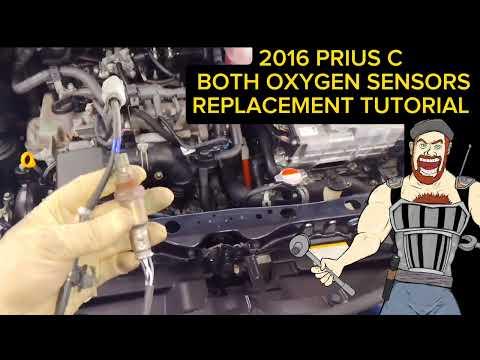





How to Replace the Oxygen Sensor on a 2016 Toyota Prius C
Step-by-step instructions with tools, parts, torque specs, and safety tips for 2012, 2013, 2014, 2015, 2016, 2017, 2018, 2019
How to Replace the Oxygen Sensor on a 2016 Toyota Prius C
Step-by-step instructions with tools, parts, torque specs, and safety tips for 2012, 2013, 2014, 2015, 2016, 2017, 2018, 2019


🔧 Oxygen Sensor - Replacement
On your Prius C, the exhaust uses an air-fuel ratio sensor up front and an oxygen sensor farther back. The front sensor is the one most people mean when they say “oxygen sensor,” and it’s usually the one that triggers the check engine light first.
Difficulty Level: Intermediate | Estimated Time: 1-2 hours
⚠️ Safety & Precautions
- Let the exhaust cool completely before starting. The sensor threads into very hot exhaust parts.
- Disconnect the 12V battery before unplugging the sensor connector. This helps avoid setting more fault codes.
- Do not work under the car unless it is securely supported on jack stands.
- If the hybrid system is awake, shut the vehicle fully OFF and keep the key/fob away from the car.
🔧 Required Tools
You'll need the following tools for this repair:
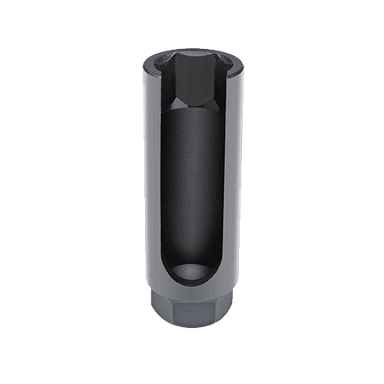
- 22mm oxygen sensor socket
- 3/8-inch ratchet
- 3/8-inch breaker bar
- 3/8-inch extension
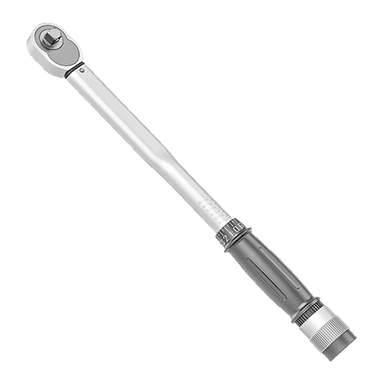
- Torque wrench
- Trim clip tool
- Flat-blade screwdriver
- Jack
- Jack stands
- Wheel chocks
- Safety glasses
- Gloves
🔩 Required Parts
HowToo sells all the parts you need for this repair:
- Upstream air-fuel ratio sensor - Qty: 1
- Downstream oxygen sensor - Qty: 1
- Sensor anti-seize compound - Qty: 1
📋 Before You Begin
- Park on level ground, set the parking brake, and chock the rear wheels if lifting the front.
- Make sure the exhaust is cold.
- Disconnect the negative terminal of the 12V battery before unplugging the sensor.
- Soak rusted threads early.
🔨 Step-by-Step Instructions
Follow these steps in order:
Step 1: Access the sensor
- If replacing the upstream sensor, open the hood and locate the sensor on the exhaust near the engine.
- If replacing the downstream sensor, raise the front of the car with a jack and support it on jack stands, then locate the sensor on the exhaust pipe under the car.
- Use a jack and jack stands only on solid support points.
Step 2: Disconnect the electrical connector
- Use a trim clip tool or flat-blade screwdriver to release any harness retainers.
- Unplug the sensor connector by pressing the lock tab and pulling the connector apart.
- Do not pull on the wires.
Step 3: Remove the old sensor
- Use a 22mm oxygen sensor socket, 3/8-inch ratchet, and 3/8-inch extension to loosen the sensor.
- If it is tight, use a 3/8-inch breaker bar for more leverage.
- Remove the sensor from the exhaust and keep track of the wire routing.
Step 4: Install the new sensor
- Compare the new part to the old one to make sure it matches.
- Thread the new sensor in by hand first to avoid cross-threading.
- Use the 22mm oxygen sensor socket to snug it down.
- Torque to 44 Nm (32 ft-lbs).
- If the new sensor does not already have thread coating, apply a very small amount of sensor anti-seize compound only to the threads, not the tip.
Step 5: Reconnect and secure the wiring
- Plug the connector back in until it clicks.
- Reinstall any wire clips or retainers so the harness stays away from the exhaust.
- Use the same routing as the original sensor harness.
Step 6: Restore power and check for issues
- Reconnect the negative 12V battery terminal.
- Lower the car if it was raised.
- Start the vehicle and check for exhaust leaks, warning lights, or rough running.
- If the check engine light stays on, clear codes with a scan tool and recheck for stored faults.
✅ After Repair
- Let the engine idle for a few minutes and listen for exhaust leaks.
- Take a short test drive so the ECU can monitor the new sensor.
- Use a scan tool to confirm the fault code does not return.
- Drive gently for the first few miles.
💰 DIY vs Shop Cost
Shop Cost: $250-$650 (parts + labor)
DIY Cost: $80-$220 (parts only)
You Save: $170-$430 by doing it yourself!
Shop labor rates vary but typically run $100-$150/hour. This repair takes a shop approximately 1-2 hours.
🎯 Ready to get started?
HowToo makes it easy: same-day/2-day shipping on every part, plus all the tools and specialty tools you need! Check out the parts and tools sections below to add everything to your cart.