









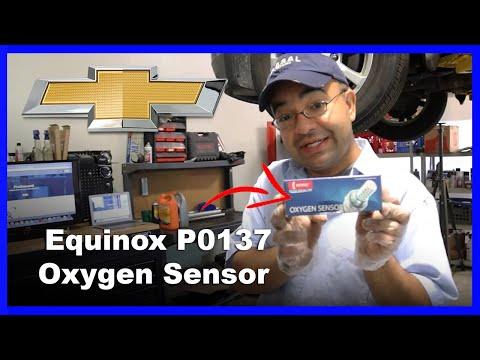






How to Replace the Oxygen Sensor on a 2015-2017 Chevrolet Equinox (Engine: V6 3.6L)
Step-by-step instructions with tools, torque specs, safety tips, and troubleshooting help
How to Replace the Oxygen Sensor on a 2015-2017 Chevrolet Equinox (Engine: V6 3.6L)
Step-by-step instructions with tools, torque specs, safety tips, and troubleshooting help for 2015, 2016, 2017


🔧 Oxygen Sensor - Replacement
This job replaces a failed oxygen sensor on your Equinox. The sensor threads into the exhaust and helps the engine control fuel mixture and emissions. I’m assuming you’re replacing the sensor identified by the fault code, since there are multiple oxygen sensors on this model.
Difficulty Level: Intermediate | Estimated Time: 0.8-1.5 hours
⚠️ Safety & Precautions
- Let the exhaust cool completely before starting. The sensor and pipe can stay dangerously hot.
- Raise the vehicle only on a level surface and support it with jack stands. Never work under a vehicle held up by a jack alone.
- Do not apply anti-seize to the sensor threads unless the replacement sensor specifically calls for it. Many new sensors are pre-coated.
- If your scan tool shows a heater circuit code, confirm the sensor location before replacing parts.
- Battery disconnect is not required for this repair.
🔧 Required Tools
You'll need the following tools for this repair:
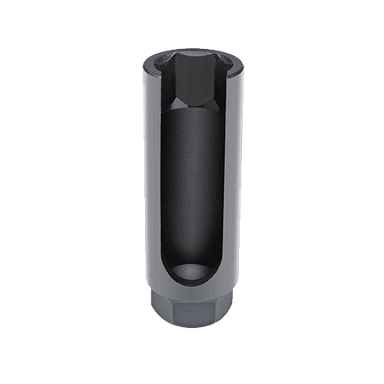
- Oxygen sensor socket, 7/8 in. (22mm)
- 3/8 in. ratchet
- 3/8 in. breaker bar
- Penetrating oil
- Floor jack (rated 3-ton minimum)
- Jack stands (rated 3-ton minimum)
- Wheel chocks
- Safety glasses
- Mechanic gloves
- Torque wrench, 3/8 in. drive
- Trim clip pliers
🔩 Required Parts
HowToo sells all the parts you need for this repair:
- Oxygen sensor - Qty: 1
📋 Before You Begin
- Park on level ground, set the parking brake, and chock the wheels.
- Let the exhaust cool fully before touching the sensor or pipe.
- Use your scan tool or code information to confirm which sensor needs replacement:
- Bank 1 Sensor 1 = upstream sensor, before the catalytic converter
- Bank 1 Sensor 2 = downstream sensor, after the catalytic converter
- If the sensor connector is routed through clips or retainers, note the path before removal.
🔨 Step-by-Step Instructions
Follow these steps in order:
Step 1: Lift and secure the vehicle
- Use the floor jack to raise the front of the vehicle.
- Place the jack stands under the proper support points and lower the vehicle onto them.
- Make sure the vehicle is stable before getting underneath it.
Step 2: Find the oxygen sensor
- Locate the sensor on the exhaust pipe or manifold.
- Follow the sensor wire to its electrical connector.
- If needed, remove small retainers or clips with the trim clip pliers.
Step 3: Disconnect the sensor connector
- Press the lock tab and unplug the connector by hand.
- Do not pull on the wire itself.
- Work the connector gently.
Step 4: Loosen the old sensor
- Spray penetrating oil on the sensor threads if the sensor is rusted in place.
- Use the oxygen sensor socket, 7/8 in. (22mm) with the 3/8 in. ratchet or breaker bar to remove the sensor.
- If it is tight, apply steady pressure instead of jerking it.
Step 5: Install the new sensor
- Thread the new sensor in by hand first to avoid cross-threading.
- Use the oxygen sensor socket, 7/8 in. (22mm) to snug it down.
- Torque to 41 Nm (30 ft-lbs).
Step 6: Reconnect the wiring
- Route the wire the same way the original was routed.
- Reconnect the electrical plug until it clicks.
- Reinstall any clips or retainers that were removed.
Step 7: Lower the vehicle
- Raise the vehicle slightly with the floor jack, remove the jack stands, and lower it to the ground.
- Remove the wheel chocks.
✅ After Repair
- Start the engine and check for exhaust leaks near the sensor.
- Use a scan tool to clear the code if it does not clear on its own.
- Drive the vehicle through a normal warm-up cycle and confirm the check engine light stays off.
- If the code returns immediately, the issue may be wiring, exhaust leaks, or the wrong sensor was replaced.
💰 DIY vs Shop Cost
Shop Cost: $220-$450 (parts + labor)
DIY Cost: $60-$140 (parts only)
You Save: $160-$310 by doing it yourself!
Shop labor rates vary but typically run $100-$150/hour. This repair takes a shop approximately 0.8-1.5 hours.
🎯 Ready to get started?
HowToo makes it easy: same-day/2-day shipping on every part, plus all the tools and specialty tools you need! Check out the parts and tools sections below to add everything to your cart.
Guide for Oxygen Sensor replace for these Chevrolet vehicles
| Year Make Model | Sub Model | Engine | Body Style |
|---|---|---|---|
| 2017 Chevrolet Equinox | - | Inline 4 2.4L | - |
| 2016 Chevrolet Equinox | - | Inline 4 2.4L | - |
| 2015 Chevrolet Equinox | - | Inline 4 2.4L | - |