













How to Replace the Oxygen Sensor on a 2015-2016 Ford F-150 (Engine: V8 5.0L)
Step-by-step instructions with tools, parts, torque specs, and safety tips
How to Replace the Oxygen Sensor on a 2015-2016 Ford F-150 (Engine: V8 5.0L)
Step-by-step instructions with tools, parts, torque specs, and safety tips for 2015, 2016


Assumption: This is for replacing one oxygen sensor on your F-150. Upstream and downstream sensors use the same basic method, but the exact location changes.
🔧 Oxygen Sensor - Replacement
The oxygen sensor threads into the exhaust and monitors exhaust gas content for the engine computer. On your F-150, the job is usually straightforward, but access can be tight and the exhaust gets very hot, so let it cool first.
Difficulty Level: Intermediate | Estimated Time: 1-2 hours
⚠️ Safety & Precautions
- Let the exhaust cool completely before starting. Hot exhaust parts can cause serious burns.
- Disconnect the negative battery cable before unplugging the sensor to avoid accidental shorts.
- If you need to work under the truck, support it with jack stands. Never rely on a jack alone.
- Do not use thread sealant on the sensor threads unless the service part specifically calls for it.
- Handle the new sensor carefully. Do not twist or pull on the wire harness.
🔧 Required Tools
You'll need the following tools for this repair:
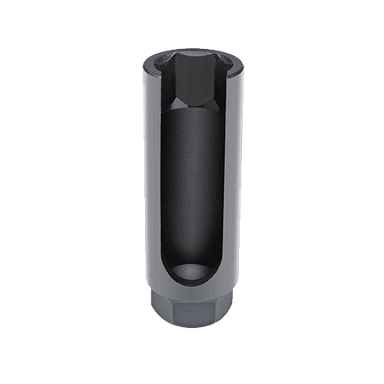
- Oxygen sensor socket 7/8 in (22 mm)
- Ratchet
- 3/8 in drive extension
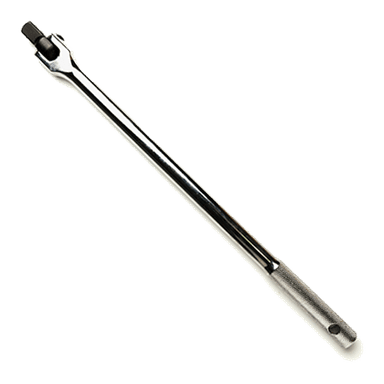
- Breaker bar
- Penetrating oil
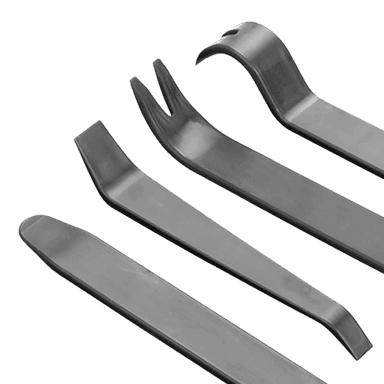
- Trim clip tool
- Flat blade screwdriver
- Torque wrench
- Floor jack (rated 3-ton minimum)
- Jack stands
- Safety glasses
- Nitrile gloves
🔩 Required Parts
HowToo sells all the parts you need for this repair:
- Oxygen sensor - Qty: 1
📋 Before You Begin
- Park on level ground and set the parking brake.
- Let the exhaust cool fully.
- Disconnect the negative battery cable before unplugging the sensor.
- If the sensor is under the truck, raise and support the vehicle securely.
🔨 Step-by-Step Instructions
Follow these steps in order:
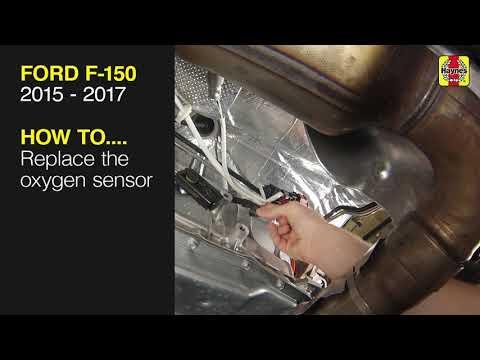
Step 1: Locate the oxygen sensor
- Find the sensor you are replacing on the exhaust pipe or exhaust manifold.
- Follow the wire from the sensor to its electrical connector.
- Tip: Trace the wire before loosening anything.
Step 2: Disconnect the sensor connector
- Use a flat blade screwdriver or trim clip tool to release any wire retainers.
- Unplug the sensor connector by pressing the lock tab and pulling the connector apart.
- Move the harness out of the way so it cannot twist while removing the sensor.
Step 3: Loosen the old sensor
- Spray penetrating oil on the sensor threads if corrosion is present.
- Use an oxygen sensor socket 7/8 in (22 mm) with a ratchet or breaker bar to loosen the sensor.
- Turn counterclockwise until the sensor breaks free.
- Tip: Short, steady pressure works best.
Step 4: Remove the sensor
- Spin the sensor out by hand once it is loose.
- Check the exhaust bung threads for damage or heavy rust.
- If the old sensor came out hard, clean the threads carefully before installing the new one.
Step 5: Install the new sensor
- Thread the new sensor in by hand first to avoid cross-threading.
- Use the oxygen sensor socket 7/8 in (22 mm) to snug it down.
- Torque to 35 Nm (26 ft-lbs).
- Route the wire exactly like the original so it will not touch the exhaust.
Step 6: Reconnect the harness
- Plug the connector back in until it clicks.
- Reinstall any wire clips or retainers with the trim clip tool or flat blade screwdriver.
- Make sure the harness has slack and is away from heat and moving parts.
Step 7: Reassemble and lower the truck
- Remove any jack stands and lower the truck if it was raised.
- Reconnect the negative battery cable.
✅ After Repair
- Start the engine and check for exhaust leaks.
- Make sure the check engine light is off after a short drive.
- If the light stays on, scan for codes and clear them after confirming the repair.
- Check that the sensor wire is not rubbing or touching hot exhaust parts.
💰 DIY vs Shop Cost
Shop Cost: $220-$450 (parts + labor)
DIY Cost: $60-$160 (parts only)
You Save: $160-$290 by doing it yourself!
Shop labor rates vary but typically run $100-$150/hour. This repair takes a shop approximately 1-2 hours.
🎯 Ready to get started?
HowToo makes it easy: same-day/2-day shipping on every part, plus all the tools and specialty tools you need! Check out the parts and tools sections below to add everything to your cart.