















How to Replace the Oxygen Sensor on a 2008-2018 Toyota RAV4 (Engine: Inline 4 2.5L)
Step-by-step instructions with tools, parts, torque specs, and safety tips
How to Replace the Oxygen Sensor on a 2008-2018 Toyota RAV4 (Engine: Inline 4 2.5L)
Step-by-step instructions with tools, parts, torque specs, and safety tips for 2008


🔧 Oxygen Sensor - Replacement
Replace the failed sensor on the exhaust so the engine computer can read exhaust oxygen correctly. On your RAV4, the exact procedure depends on whether you are replacing the upstream air-fuel ratio sensor or the downstream oxygen sensor.
Assumption: This guide covers the common 2017 RAV4 Hybrid sensor replacement paths for Bank 1 Sensor 1 and Bank 1 Sensor 2.
Difficulty Level: Intermediate | Estimated Time: 1-2 hours
⚠️ Safety & Precautions
- Let the exhaust cool fully before starting. The sensor threads into a very hot exhaust pipe.
- Power the vehicle OFF and keep the key/fob away from the car. The hybrid system can wake up unexpectedly.
- Do not work under a vehicle supported only by a jack. Use jack stands on solid, level ground.
- If the sensor harness runs near the exhaust, be careful not to melt or twist it during removal.
- 12V battery disconnect is not required, but it is a safe extra step if you want to avoid any chance of the engine starting.
🔧 Required Tools
You'll need the following tools for this repair:
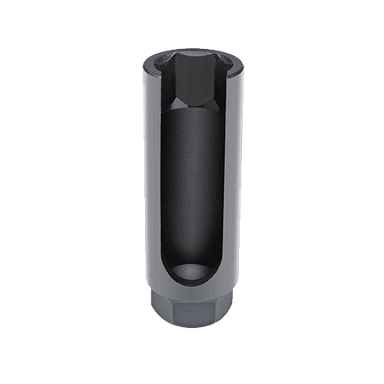
- Oxygen sensor socket 22mm (specialty)
- 3/8-inch ratchet
- 3/8-inch breaker bar
- 3/8-inch extension set
- Torque wrench
- Jack rated 3-ton minimum
- Jack stands rated 3-ton minimum
- Wheel chocks
- Safety glasses
- Nitrile gloves
- Penetrating oil
- Trim clip tool (specialty)
🔩 Required Parts
HowToo sells all the parts you need for this repair:
- Upstream air-fuel ratio sensor - Qty: 1
- Downstream oxygen sensor - Qty: 1
- Exhaust sensor gasket or sealing washer - Qty: 1 if equipped
📋 Before You Begin
- Park on level ground and set the parking brake.
- Let the exhaust cool completely.
- If replacing the upstream sensor, access is usually from above the engine bay.
- If replacing the downstream sensor, access is usually from under the vehicle.
- Spray penetrating oil ahead of time if the sensor looks rusty.
🔨 Step-by-Step Instructions
Follow these steps in order:
Step 1: Locate the sensor
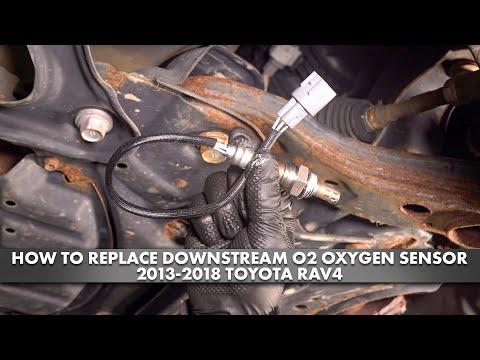
- Find the sensor you are replacing on the exhaust. The upstream sensor is before the catalytic converter. The downstream sensor is after it.
- Trace the wire to the connector so you can see how it is routed before removal.
Step 2: Disconnect the sensor connector
- Use your fingers and the trim clip tool if needed to release the connector lock.
- Unclip the harness from any retainers so the wire can move freely.
- Do not pull on the wire.
Step 3: Remove the old sensor
- Use the oxygen sensor socket 22mm (specialty) with a 3/8-inch ratchet or breaker bar to loosen the sensor.
- If it is tight, apply more penetrating oil and wait a few minutes.
- Turn the sensor counterclockwise until it comes free.
- Keep the socket straight to avoid rounding.
Step 4: Install the new sensor
- Thread the new sensor in by hand first to avoid cross-threading.
- Use the oxygen sensor socket 22mm (specialty) to snug it down.
- Torque to 35 Nm (26 ft-lbs) unless the replacement sensor instructions specify otherwise.
- Reconnect the wiring harness and make sure it is clipped away from the exhaust.
Step 5: Reassemble and lower the vehicle
- If you raised the vehicle, remove the tools and lower it safely off the jack stands.
- Make sure no wires are touching hot exhaust parts.
✅ After Repair
- Start the vehicle and let it idle for a minute.
- Check for exhaust leaks, warning lights, or loose wiring.
- If the check engine light was on, clear the code with a scan tool and road test the vehicle.
- If the light returns, recheck the connector and confirm the correct sensor was replaced.
💰 DIY vs Shop Cost
Shop Cost: ₹6,000-₹18,000 (parts + labor)
DIY Cost: ₹2,500-₹9,000 (parts only)
You Save: ₹3,500-₹9,000 by doing it yourself!
Shop labor rates vary but typically run ₹1,500-₹4,000/hour. This repair takes a shop approximately 1-2 hours.
🎯 Ready to get started?
HowToo makes it easy: same-day/2-day shipping on every part, plus all the tools and specialty tools you need! Check out the parts and tools sections below to add everything to your cart.
Guide for Oxygen Sensor replace for these Toyota vehicles
| Year Make Model | Sub Model | Engine | Body Style |
|---|---|---|---|
| 2018 Toyota RAV4 | - | Inline 4 2.5L | - |
| 2017 Toyota RAV4 | - | Inline 4 2.5L | - |
| 2016 Toyota RAV4 | - | Inline 4 2.5L | - |
| 2012 Toyota RAV4 | - | V6 3.5L | - |
| 2012 Toyota RAV4 | - | Inline 4 2.5L | - |
| 2011 Toyota RAV4 | - | V6 3.5L | - |
| 2011 Toyota RAV4 | - | Inline 4 2.5L | - |
| 2010 Toyota RAV4 | - | V6 3.5L | - |
| 2010 Toyota RAV4 | - | Inline 4 2.5L | - |
| 2009 Toyota RAV4 | - | V6 3.5L | - |
| 2009 Toyota RAV4 | - | Inline 4 2.5L | - |
| 2008 Toyota RAV4 | - | Inline 4 2.4L | - |
| 2008 Toyota RAV4 | - | V6 3.5L | - |