









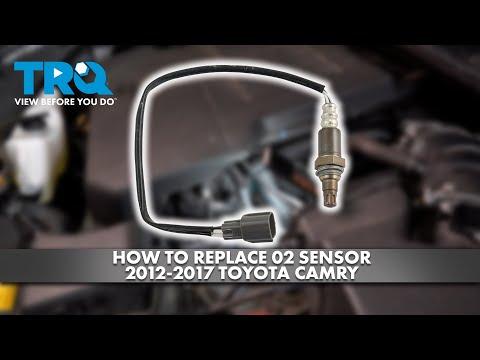






How to Replace the Oxygen Sensor on a 2007-2017 Toyota Camry (Engine: V6 3.5L)
Step-by-step DIY O2 sensor replacement with tools, parts, torque specs, safety tips, and cost-saving advice
How to Replace the Oxygen Sensor on a 2007-2017 Toyota Camry (Engine: V6 3.5L)
Step-by-step DIY O2 sensor replacement with tools, parts, torque specs, safety tips, and cost-saving advice for 2007, 2008, 2009, 2010, 2011


🔧 Camry - Oxygen Sensor Replacement
Your Camry has two oxygen sensors (also called O2 sensors): one upstream (before the catalytic converter) and one downstream (after the catalytic converter). The exact steps and location are different for each sensor.
Difficulty Level: Beginner | Estimated Time: 0.5–1.0 hour per sensor
⚠️ Safety & Precautions
- 🔥 Work only on a completely cool exhaust to avoid burns.
- 🧯 Keep the car in Park, parking brake on, and wheels chocked so it cannot roll.
- 🔌 Disconnecting the battery is optional, but do it if you might touch the starter or main power cables.
- 🧤 Wear safety glasses and mechanic gloves; rusty exhaust parts can be sharp.
- 📡 You will need a scan tool to clear the Check Engine Light after replacement, or wait for the light to clear after several drive cycles.
🔧 Required Tools
You'll need the following tools for this repair:
- Floor jack (rated 3-ton minimum)
- Jack stands (rated 3-ton minimum)
- Wheel chocks
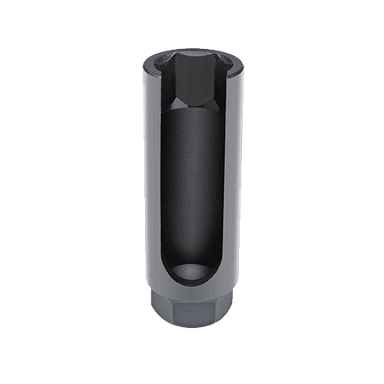
- Oxygen sensor socket 22mm (specialty)
- 3/8" drive ratchet
- 3/8" drive extension 6"
- Penetrating oil spray
- Torque wrench 3/8" drive (0–75 ft-lb range)
- Flathead screwdriver small
- Trim clip tool or plastic pry tool
- OBD2 scan tool
- Mechanic gloves
- Safety glasses
🔩 Required Parts
HowToo sells all the parts you need for this repair:
- Upstream oxygen sensor (Bank 1 Sensor 1) - Qty: 1
- Downstream oxygen sensor (Bank 1 Sensor 2) - Qty: 1
- Anti-seize compound (high-temperature) - Qty: 1 small tube
- Dielectric grease - Qty: 1 small tube
- Cable ties - Qty: 2–4
📋 Before You Begin
- Park your Camry on level ground, set the parking brake, and place wheel chocks behind the rear wheels.
- Let the engine and exhaust cool for at least 45–60 minutes after driving.
- If you want extra safety, disconnect the negative battery cable using a wrench or socket and move it aside so it cannot snap back.
- Have your OBD2 scan tool ready to read/clear codes when finished.
🔨 Step-by-Step Instructions
Follow these steps in order:
Quick question before we start:
Do you need to replace the upstream sensor (Bank 1 Sensor 1, in the engine bay) or the downstream sensor (Bank 1 Sensor 2, under the car after the catalytic converter)? If you’re not sure, tell me the code you have (for example P0131, P0136) and I’ll confirm which one.
🔨 Upstream Oxygen Sensor (Bank 1 Sensor 1) – In Engine Bay
Step 1: Safely raise the front if needed
- If you can easily reach the sensor from above, you may not need to lift the car. If access is tight, use the floor jack (3-ton) at the front center jacking point and raise the car slightly.
- Place jack stands (3-ton) under the front pinch welds on both sides and gently lower the car onto them.
- Never rely only on the jack
Step 2: Locate the upstream sensor
- Open the hood.
- Look at the exhaust manifold at the back of the engine (toward the firewall). The upstream O2 sensor is screwed into the top of the exhaust manifold or the pipe right after it, with a wire leading to a connector.
- Follow the sensor wire to find the electrical connector mounted on a bracket.
Step 3: Disconnect the sensor connector
- Use a trim clip tool or flathead screwdriver small to gently release any plastic clips holding the wire to brackets.
- Press the locking tab on the connector with your finger or the flathead screwdriver small and pull the two halves apart.
- Do not pull on the wires
Step 4: Loosen the sensor
- Spray penetrating oil around the base of the sensor threads where it enters the exhaust.
- Let it soak for 5–10 minutes.
- Place the 22mm oxygen sensor socket over the sensor and attach the 3/8" ratchet.
- Turn counterclockwise to break it loose. You may add the 3/8" extension 6" if needed for better leverage.
Step 5: Remove the old sensor
- Once loose, unscrew the sensor fully by hand (careful, edges may still be warm).
- Remove the sensor and note how the wire is routed so you can copy it later.
Step 6: Prepare the new sensor
- If the new sensor already has a grey coating on the threads, that’s pre-applied anti-seize; do not add more.
- If not coated, apply a very thin layer of anti-seize compound to the threads only. Keep it off the sensor tip.
- Put a tiny bit of dielectric grease on the connector seals to help keep moisture out.
Step 7: Install the new sensor
- Thread the new sensor into the exhaust by hand. Turn gently to avoid cross-threading.
- Once finger-tight, place the 22mm oxygen sensor socket and 3/8" torque wrench on the sensor.
- Tighten to 40 Nm (30 ft-lbs).
Step 8: Reconnect and secure the wiring
- Route the wire the same way as the original to keep it away from hot parts.
- Push the connector halves together until they click.
- Use cable ties if needed to secure the harness away from the exhaust.
Step 9: Lower the vehicle
- If you lifted the car, use the floor jack to raise it slightly, remove the jack stands, then lower it back onto the ground.
🔨 Downstream Oxygen Sensor (Bank 1 Sensor 2) – Under Car
Step 1: Raise and support the front of the car
- Place wheel chocks behind the rear tires.
- Use the floor jack (3-ton) to lift the front of your Camry at the front center jacking point.
- Set jack stands (3-ton) under the front pinch welds on both sides and gently lower the car onto the stands.
Step 2: Locate the downstream sensor
- Slide under the car from the front or side (head towards the center).
- Identify the catalytic converter under the car (a bulged metal section in the exhaust pipe).
- The downstream O2 sensor is screwed into the exhaust pipe just after the catalytic converter, with a wire going up to the body.
Step 3: Disconnect the sensor connector
- Follow the sensor wire up to its electrical connector, usually clipped to the floor pan or a bracket.
- Use the trim clip tool or flathead screwdriver small to release any clips holding the wire.
- Press the locking tab and separate the connector halves.
Step 4: Loosen the sensor
- Spray penetrating oil on the sensor threads where it screws into the pipe. Let it soak 5–10 minutes.
- Place the 22mm oxygen sensor socket over the sensor and attach the 3/8" ratchet. Use the 3/8" extension 6" if needed.
- Turn counterclockwise to break it loose. You may need steady force because rust builds up here.
Step 5: Remove the old sensor
- Once loosened, unscrew the sensor completely by hand and remove it.
- Note the wire routing for the new sensor.
Step 6: Prepare the new sensor
- If the new sensor threads have a grey coating, that is pre-applied anti-seize; do not add more.
- If bare threads, put a thin coat of anti-seize compound on the threads only.
- Apply a tiny amount of dielectric grease to the connector seals.
Step 7: Install the new sensor
- Screw the sensor into the exhaust bung by hand, turning gently to avoid cross-threading.
- Install the 22mm oxygen sensor socket and tighten with the 3/8" torque wrench to 40 Nm (30 ft-lbs).
Step 8: Reconnect wiring and secure
- Route the wire the same as original, away from moving parts and the hot exhaust.
- Plug in the connector until it clicks.
- Use cable ties where needed to hold the harness securely.
Step 9: Lower the vehicle
- Use the floor jack to raise the front slightly, remove the jack stands, then lower the car fully to the ground.
✅ After Repair
- Reconnect the negative battery cable if you disconnected it.
- Use your OBD2 scan tool to clear any stored oxygen sensor codes and the Check Engine Light.
- Start the engine and let it idle. Check under the hood and under the car to confirm there are no exhaust leaks and that the sensor wires are not touching the exhaust.
- Take a short test drive (10–15 minutes) with a mix of speeds, then re-scan for codes to make sure none have returned.
💰 DIY vs Shop Cost
Shop Cost: $250–$400 per sensor (parts + labor)
DIY Cost: $80–$150 per sensor (parts only)
You Save: $170–$250 per sensor by doing it yourself!
Shop labor rates vary but typically run $100–$150/hour. This repair takes a shop approximately 0.5–1.0 hour per sensor.
🎯 Ready to get started?
HowToo makes it easy: same-day/2-day shipping on every part, plus all the tools and specialty tools you need! Check out the parts and tools sections above to add everything to your cart.
Guide for Oxygen Sensor replace for these Toyota vehicles
| Year Make Model | Sub Model | Engine | Body Style |
|---|---|---|---|
| 2017 Toyota Camry | - | V6 3.5L | - |
| 2017 Toyota Camry | - | Inline 4 2.5L | - |
| 2016 Toyota Camry | - | V6 3.5L | - |
| 2016 Toyota Camry | - | Inline 4 2.5L | - |
| 2015 Toyota Camry | - | V6 3.5L | - |
| 2015 Toyota Camry | - | Inline 4 2.5L | - |
| 2014 Toyota Camry | - | V6 3.5L | - |
| 2014 Toyota Camry | - | Inline 4 2.5L | - |
| 2013 Toyota Camry | - | V6 3.5L | - |
| 2013 Toyota Camry | - | Inline 4 2.5L | - |
| 2012 Toyota Camry | - | V6 3.5L | - |
| 2012 Toyota Camry | - | Inline 4 2.5L | - |
| 2011 Toyota Camry | - | Inline 4 2.4L | - |
| 2011 Toyota Camry | - | V6 3.5L | - |
| 2011 Toyota Camry | - | Inline 4 2.5L | - |
| 2010 Toyota Camry | - | Inline 4 2.4L | - |
| 2010 Toyota Camry | - | V6 3.5L | - |
| 2010 Toyota Camry | - | Inline 4 2.5L | - |
| 2009 Toyota Camry | - | Inline 4 2.4L | - |
| 2009 Toyota Camry | - | V6 3.5L | - |
| 2008 Toyota Camry | - | Inline 4 2.4L | - |
| 2008 Toyota Camry | - | V6 3.5L | - |
| 2007 Toyota Camry | - | Inline 4 2.4L | - |
| 2007 Toyota Camry | - | V6 3.5L | - |