









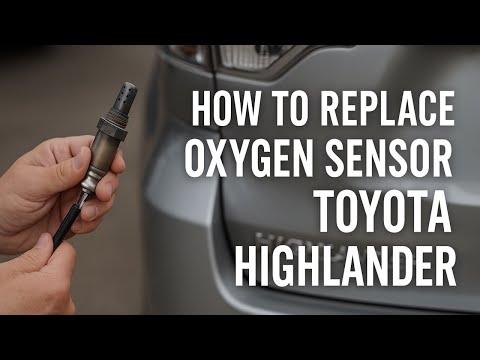





How to Replace the Oxygen Sensor on a 2004-2016 Toyota Highlander (Engine: V6 3.5L)
Step-by-step guide with OBD2 diagnosis, tools, safety tips, and 32 ft-lbs torque spec for 2004, 2005, 2006, 2007, 2008, 2009, 2010
How to Replace the Oxygen Sensor on a 2004-2016 Toyota Highlander (Engine: V6 3.5L)
Step-by-step guide with OBD2 diagnosis, tools, safety tips, and 32 ft-lbs torque spec for 2004, 2005, 2006, 2007, 2008, 2009, 2010


🔧 Highlander - Oxygen Sensor Replacement
Replacing an oxygen sensor on your Highlander restores accurate exhaust oxygen readings so the hybrid engine control system can adjust fuel mixture correctly. A failed sensor can cause a check engine light, poor fuel economy, failed emissions testing, or rough running.
Difficulty Level: Intermediate | Estimated Time: 1-2 hours
Assumption: This guide covers replacing one oxygen/air-fuel ratio sensor; match the failed sensor location from your scan code before removal.
⚠️ Safety & Precautions
- ⚠️ Let the exhaust cool completely before touching sensors, pipes, or heat shields.
- ⚠️ Your Highlander is a hybrid. Do not touch orange high-voltage cables or hybrid battery components.
- ⚠️ Disconnect the 12V battery negative cable before unplugging engine control sensors.
- ⚠️ Use jack stands if lifting the vehicle. Never work under a vehicle supported only by a jack.
- ⚠️ Oxygen sensors thread into the exhaust and can be very tight from heat and rust.
🔧 Required Tools
You'll need the following tools for this repair:
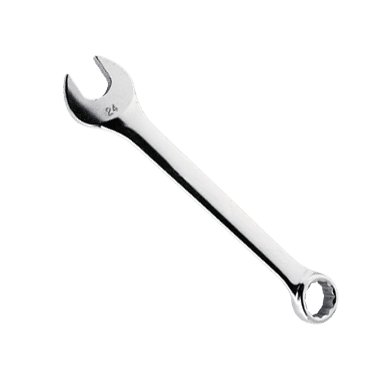
- 10mm wrench
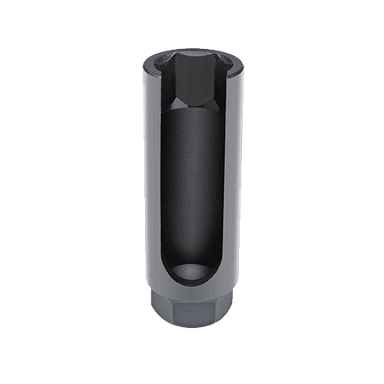
- 22mm oxygen sensor socket (specialty)
- 3/8-inch drive ratchet
- 3/8-inch drive 6-inch extension
- 3/8-inch drive torque wrench
- Flat-blade screwdriver
- Trim clip removal tool
- Floor jack (rated 3-ton minimum)
- Jack stands (rated 3-ton minimum)
- Wheel chocks
- Penetrating oil
- Nitrile gloves
- Safety glasses
- OBD2 scan tool
🔩 Required Parts
HowToo sells all the parts you need for this repair:
- Oxygen sensor or air-fuel ratio sensor - Qty: 1
- Anti-seize compound rated for oxygen sensors - Qty: 1
- Exhaust heat shield clips or fasteners - Qty: As needed
📋 Before You Begin
- Park your Highlander on level ground, shift to Park, and apply the parking brake.
- Place wheel chocks behind the rear wheels if lifting the front.
- Use an OBD2 scan tool to read the code and identify the sensor location. An OBD2 scan tool plugs into the vehicle and reads fault codes.
- Common Toyota V6 locations are Bank 1 and Bank 2. Bank 1 is the engine side with cylinder 1; Bank 2 is the opposite side.
- Sensor 1 is before the catalytic converter and is usually called an air-fuel ratio sensor. Sensor 2 is after the catalytic converter and is usually called an oxygen sensor.
- Open the hood and use a 10mm wrench to disconnect the 12V battery negative cable.
🔨 Step-by-Step Instructions
Follow these steps in order:
Step 1: Identify the Failed Sensor
- Use the OBD2 scan tool to confirm the fault code before removing anything.
- Codes like P0136, P0137, P0138, or P0141 usually point to an oxygen sensor circuit.
- Codes like P0131, P0132, P0133, P0151, P0152, or P0153 may point to an upstream air-fuel ratio sensor.
- Write down whether the code says Bank 1 or Bank 2 and Sensor 1 or Sensor 2.
- Replace the coded sensor only.
Step 2: Disconnect the 12V Battery
- Open the hood.
- Use a 10mm wrench to loosen the nut on the negative battery terminal.
- Lift the negative cable off the battery post and move it aside so it cannot spring back.
- Wait at least 90 seconds before unplugging sensor connectors.
Step 3: Raise the Vehicle If Needed
- If the sensor is reachable from above, keep the vehicle on the ground.
- If the sensor is underneath, use a floor jack rated 3-ton minimum at the front center jacking point.
- Place jack stands rated 3-ton minimum under the front support points.
- Gently lower the vehicle onto the jack stands.
- Shake the vehicle lightly by hand to confirm it is stable before getting underneath.
Step 4: Remove Access Panels or Heat Shields
- Use a trim clip removal tool to remove plastic splash shield clips if they block access.
- Use a flat-blade screwdriver to help release stubborn clips without breaking them.
- If a small heat shield blocks the sensor, remove its fasteners with the correct socket from your basic set if equipped.
- Take photos before removing panels.
Step 5: Unplug the Sensor Connector
- Follow the sensor wire from the exhaust sensor body to its electrical connector.
- Press the connector lock tab by hand and unplug it.
- If the tab is stuck, use a flat-blade screwdriver gently on the lock tab only.
- Do not pull on the wires.
Step 6: Loosen the Old Sensor
- Spray penetrating oil where the sensor threads into the exhaust.
- Let it soak for 5-10 minutes.
- Slide the 22mm oxygen sensor socket over the wire and onto the sensor hex. An oxygen sensor socket has a slot for the wire.
- Attach the 3/8-inch drive ratchet and 3/8-inch drive 6-inch extension if more reach is needed.
- Turn counterclockwise to loosen the sensor.
- If it is very tight, apply steady pressure instead of jerking the ratchet.
Step 7: Remove the Old Sensor
- Once loose, unscrew the sensor by hand while keeping the wire from twisting around nearby parts.
- Compare the old sensor to the new sensor before installation.
- Make sure the connector shape, wire length, and thread size match.
Step 8: Prepare the New Sensor
- If the new sensor already has anti-seize on the threads, do not add more.
- If the threads are bare, apply a tiny amount of oxygen-sensor-safe anti-seize compound to the threads only.
- Keep anti-seize away from the sensor tip and vents.
- Contamination can ruin the sensor.
Step 9: Install the New Sensor
- Start threading the new sensor by hand to avoid cross-threading.
- Once finger-tight, use the 22mm oxygen sensor socket with the 3/8-inch drive torque wrench.
- Torque to 44 Nm (32 ft-lbs).
- If access prevents using a torque wrench, tighten snugly with the 3/8-inch drive ratchet, then add a small additional turn. Do not overtighten.
Step 10: Route and Connect the Wiring
- Route the sensor wire exactly like the original.
- Keep the wire away from exhaust pipes, steering parts, axles, and sharp brackets.
- Plug the connector in by hand until it clicks.
- Use the original wire clips to secure the harness.
Step 11: Reinstall Shields and Lower the Vehicle
- Reinstall any splash shields using the trim clip removal tool by pressing clips back into place.
- Reinstall any heat shields removed earlier.
- Use the floor jack rated 3-ton minimum to raise the vehicle slightly off the jack stands.
- Remove the jack stands rated 3-ton minimum.
- Lower the vehicle slowly to the ground.
Step 12: Reconnect the Battery
- Place the negative battery cable back on the battery post.
- Use a 10mm wrench to tighten the terminal nut until snug.
- Do not overtighten the battery terminal.
Step 13: Clear Codes and Check Operation
- Use the OBD2 scan tool to clear stored fault codes.
- Start your Highlander and let it idle.
- Check for exhaust leaks, warning lights, or unusual smells.
- Take a short test drive and recheck for codes with the OBD2 scan tool.
✅ After Repair
- Drive normally for several trips so the engine computer can run its oxygen sensor monitor.
- If the check engine light returns immediately, recheck the connector, wiring route, and sensor location.
- If an emissions test is needed, confirm all readiness monitors are complete with an OBD2 scan tool.
- Because the 12V battery was disconnected, the auto-up window function or clock may need resetting.
💰 DIY vs Shop Cost
Shop Cost: $250-$600 (parts + labor)
DIY Cost: $80-$250 (parts only)
You Save: $170-$350 by doing it yourself!
Shop labor rates vary but typically run $100-$150/hour. This repair takes a shop approximately 0.8-1.5 hours.
🎯 Ready to get started?
HowToo makes it easy: same-day/2-day shipping on every part, plus all the tools and specialty tools you need! Check out the parts and tools sections below to add everything to your cart.