









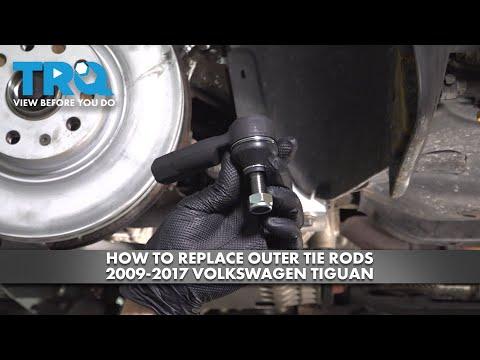






How to Replace the Outer Tie Rod End on a 2016 Volkswagen Tiguan
Step-by-step instructions with tools, torque specs, safety tips, and alignment advice for 2009, 2010, 2011, 2012, 2013, 2014, 2015, 2016, 2017, 2018, 2019, 2020, 2021, 2022, 2023
How to Replace the Outer Tie Rod End on a 2016 Volkswagen Tiguan
Step-by-step instructions with tools, torque specs, safety tips, and alignment advice for 2009, 2010, 2011, 2012, 2013, 2014, 2015, 2016, 2017, 2018, 2019, 2020, 2021, 2022, 2023


🔧 Tie Rod End - Replacement
The outer tie rod end connects the steering rack to the front wheel knuckle. If it has play, torn boots, or clunking, replacing it restores steering feel and helps prevent tire wear.
Difficulty Level: Intermediate | Estimated Time: 1.5-2.5 hours
⚠️ Safety & Precautions
- Support the vehicle securely with jack stands before removing the wheel.
- Keep hands clear of the steering knuckle and suspension parts while loosening the tie rod end.
- Do not drive far after replacement until the alignment is checked.
- If your Tiguan has a damaged boot or heavy steering play, inspect the inner tie rod too.
- No battery disconnect is required for this repair.
🔧 Required Tools
You'll need the following tools for this repair:
- Floor jack (rated 3-ton minimum)
- Jack stands
- Wheel chocks
- 17mm socket
- 19mm wrench
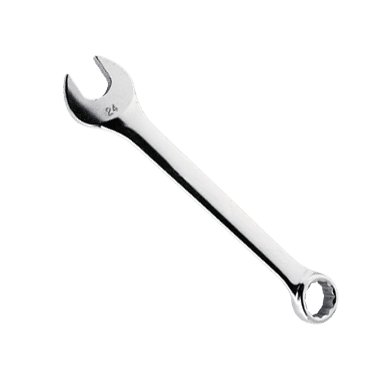
- 21mm wrench
- Torque wrench
- Ball joint separator (specialty)
- Pickle fork (specialty)
- Needle-nose pliers
- Marker or paint pen
- Safety glasses
- Mechanic gloves
🔩 Required Parts
HowToo sells all the parts you need for this repair:
- Outer tie rod end - Qty: 1
- Self-locking tie rod end nut - Qty: 1
- Locking jam nut - Qty: 1
- Alignment service - Qty: 1
📋 Before You Begin
- Park on level ground and set the parking brake.
- Center the steering wheel before you start.
- Marking the old length helps keep toe close.
- Have the front wheel alignment checked after the repair.
🔨 Step-by-Step Instructions
Follow these steps in order:
Step 1: Loosen the wheel bolts
- Use a 17mm socket to break the front wheel bolts loose while the vehicle is still on the ground.
- Do not remove them yet.
Step 2: Raise and support the vehicle
- Use a floor jack (rated 3-ton minimum) to lift the front corner.
- Place a jack stand under the proper support point and lower the vehicle onto it.
- Remove the wheel bolts with the 17mm socket and take off the wheel.
Step 3: Mark the tie rod position
- Use a marker or paint pen to mark the position of the old tie rod end on the inner tie rod threads.
- Count or note the visible threads for a close starting point.
- Keep the new part close to the old length.
Step 4: Remove the cotter pin, if equipped
- Use needle-nose pliers to remove the cotter pin from the tie rod end stud.
- Discard the old cotter pin.
Step 5: Loosen the tie rod end nut
- Use a 19mm wrench or the correct size wrench for the stud nut to loosen the nut on the steering knuckle side.
- Leave the nut threaded on a few turns so the joint does not pop apart suddenly.
Step 6: Separate the tie rod end from the knuckle
- Use a ball joint separator (specialty) to break the taper free from the steering knuckle.
- If needed, use a pickle fork (specialty) carefully, but expect the boot to be damaged if you use it.
- Remove the nut and pull the tie rod end out of the knuckle.
Step 7: Remove the outer tie rod end
- Use a 21mm wrench to loosen the jam nut on the inner tie rod.
- Spin the old tie rod end off by hand and count the turns as you remove it.
- Match the same number of turns when installing the new part.
Step 8: Install the new tie rod end
- Thread the new tie rod end onto the inner tie rod by the same number of turns you counted during removal.
- Slide the stud into the steering knuckle.
- Install the new self-locking nut by hand first, then tighten with the torque wrench.
- Torque to 30 Nm (22 ft-lbs) plus 90°.
Step 9: Tighten the jam nut
- Hold the tie rod end with a 21mm wrench and tighten the jam nut against the new tie rod end.
- Torque to 50 Nm (37 ft-lbs).
Step 10: Reinstall the wheel
- Put the wheel back on and hand-start all bolts.
- Use the 17mm socket to snug them in a star pattern.
- Lower the vehicle, then Torque to 120 Nm (89 ft-lbs).
Step 11: Final check
- Turn the steering wheel lock to lock and make sure the joint moves freely.
- Check that the boot is not twisted and the jam nut is tight.
✅ After Repair
- Drive slowly and confirm the steering wheel is centered.
- Get a front wheel alignment as soon as possible.
- Listen for clunks on a short test drive over small bumps.
- Recheck the jam nut and wheel bolts after the test drive.
💰 DIY vs Shop Cost
Shop Cost: $220-$420 (parts + labor)
DIY Cost: $45-$120 (parts only)
You Save: $175-$300 by doing it yourself!
Shop labor rates vary but typically run $100-$150/hour. This repair takes a shop approximately 1.0-1.5 hours.
🎯 Ready to get started?
HowToo makes it easy: same-day/2-day shipping on every part, plus all the tools and specialty tools you need! Check out the parts and tools sections below to add everything to your cart.