















How to Replace the Outer Tie Rod End on a 2014 Nissan Rogue
Step-by-step DIY tie rod end replacement with tools, parts list, torque specs, safety tips, and cost comparison
How to Replace the Outer Tie Rod End on a 2014 Nissan Rogue
Step-by-step DIY tie rod end replacement with tools, parts list, torque specs, safety tips, and cost comparison


🔧 Rogue - Outer Tie Rod End Replacement
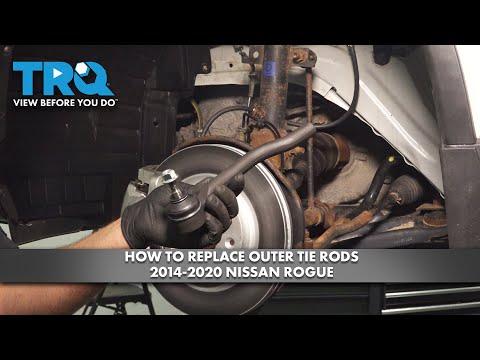
This will show you how to replace a front outer tie rod end on your Rogue. The process is the same for left or right; just repeat on the other side if needed. This keeps your steering tight and helps prevent uneven tire wear.
Difficulty Level: Intermediate | Estimated Time: 1.5–2 hours per side
⚠️ Safety & Precautions
- 🛑 Always support the vehicle with jack stands. Never rely only on the floor jack.
- 🛑 Wear safety glasses; you will be working near rust, dirt, and under tensioned parts.
- 🛑 Turn the ignition OFF and keep the key away from the vehicle so the steering wheel does not try to lock/unlock unexpectedly.
- 🛑 Do not put your hands between the tire and wheel well while the car is only on a jack.
- 🛑 An alignment is strongly recommended after tie rod work to avoid rapid tire wear and pull.
- 🛑 Battery disconnect is not required for this job.
🔧 Required Tools
You'll need the following tools for this repair:
- 🧰 Floor jack (rated 3-ton minimum)
- 🧰 Jack stands (rated 3-ton minimum, Qty: 2)
- 🧰 Wheel chocks
- 🧰 Lug wrench 21mm
- 🧰 Socket set metric (10mm–22mm)
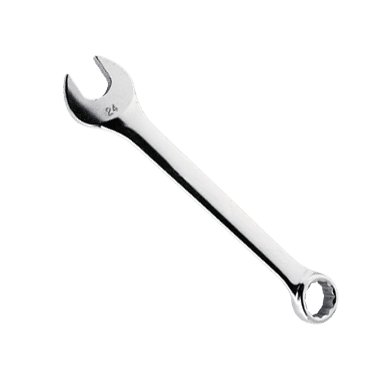
- 🧰 Combination wrenches metric (17mm–22mm)
- 🧰 Torque wrench 10–150 ft-lbs
- 🧰 Tie rod end puller (ball joint separator) (specialty)
- 🧰 Needle-nose pliers
- 🧰 Adjustable wrench 10-inch
- 🧰 Hammer 16 oz
- 🧰 Wire brush small
- 🧰 Paint marker or white correction pen
- 🧰 Measuring tape
- 🧰 Flathead screwdriver medium
- 🧰 Penetrating oil spray
- 🧰 Shop rags
- 🧰 Nitrile gloves
- 🧰 Safety glasses
🔩 Required Parts
HowToo sells all the parts you need for this repair:
- 🔩 Front outer tie rod end (left) - Qty: 1
- 🔩 Front outer tie rod end (right) - Qty: 1
- 🔩 New tie rod end castle nut or flange nut - Qty: 1 per side
- 🔩 New cotter pin - Qty: 1 per side (if original uses cotter pin)
- 🔩 Anti-seize compound - Qty: small tube
- 🔩 Penetrating oil - Qty: 1 can
📋 Before You Begin
- 🧭 Park the Rogue on level ground, set the parking brake, and place wheel chocks behind the rear wheels.
- 🔧 Loosen (but do not remove) the front wheel lug nuts with the 21mm lug wrench while the vehicle is still on the ground.
- 📏 Plan to get a professional alignment as soon as possible after this job. Any marks or measurements you make are only to get the steering close, not perfect.
- 📸 Take a clear photo of the old tie rod position before starting.
🔨 Step-by-Step Instructions
Follow these steps in order:
Step 1: Raise and support the front of the vehicle
- Use the floor jack to lift the front of the Rogue at the front center jacking point (behind the front bumper, on the subframe crossmember).
- Place jack stands under the left and right front pinch welds or frame rails, then slowly lower the vehicle onto the stands with the floor jack.
- Use your hands to gently rock the vehicle; make sure it sits solidly on the stands.
- Remove the front wheel on the side you are working on using the 21mm lug wrench.
Step 2: Locate and clean the outer tie rod area
- Find the outer tie rod end: it connects the steering knuckle (where the wheel hub is) to the inner tie rod coming from the steering rack.
- Use the wire brush small to clean rust and dirt from the threads of the inner tie rod where the outer tie rod screws on.
- Spray penetrating oil on the tie rod jam nut (the big nut just behind the outer tie rod) and on the ball stud nut at the steering knuckle. Let it soak for a few minutes.
Step 3: Mark the current alignment position
- Use the paint marker to draw a line across the inner tie rod and the jam nut. This helps you put the new tie rod in roughly the same position.
- Use the measuring tape to measure from a fixed point on the inner tie rod (for example, the inner edge of the jam nut) to the center of the tie rod stud. Write this measurement down.
- Better markings = closer steering after install.
Step 4: Loosen the tie rod jam nut
- Use a 22mm combination wrench (or the size that fits your jam nut) to loosen the jam nut by turning it about half a turn counterclockwise. Do not remove it; just break it loose.
- If it is very tight, hold the inner tie rod with an adjustable wrench 10-inch on the flats to prevent twisting the steering rack while turning the jam nut.
Step 5: Remove the tie rod from the steering knuckle
- Look at the nut where the tie rod attaches to the steering knuckle. If there is a cotter pin, use needle-nose pliers to straighten and pull out the pin.
- Use the correct size socket (usually 17mm–19mm socket) and a ratchet or breaker bar to remove the nut from the tie rod stud.
- If the stud spins while you try to loosen the nut, press up on the tie rod with a floor jack or push down on the knuckle to add friction, then loosen the nut again.
- Once the nut is off, install the tie rod end puller (specialty) over the stud and knuckle arm, and tighten it with a socket until the joint pops free.
- If you do not have a puller, you can tap the side of the knuckle arm sharply with a hammer 16 oz while pulling down on the tie rod end. Do not hit the stud directly.
Step 6: Unscrew and count the turns of the old tie rod
- Hold the inner tie rod steady with the adjustable wrench 10-inch or your hand.
- Rotate the outer tie rod end counterclockwise by hand to unscrew it from the inner tie rod.
- Carefully count each full turn as you remove it (for example, 18 full turns). Write this number down.
- This turn count helps center the new part.
Step 7: Prepare and install the new outer tie rod
- Compare the new tie rod to the old one: length, thread size, and stud angle should match.
- Apply a very light coat of anti-seize compound to the inner tie rod threads using a shop rag. Do not get any on the ball stud or nut.
- Thread the new outer tie rod onto the inner tie rod by hand, turning it clockwise the exact same number of turns you counted in Step 6.
- Align the inner tie rod and jam nut paint marks as closely as possible using a 22mm combination wrench on the jam nut if needed.
Step 8: Attach the new tie rod to the steering knuckle
- Insert the new tie rod stud into the hole in the steering knuckle.
- Install the new nut by hand, then tighten it with the correct size socket (typically 17mm–19mm) and ratchet.
- Use a torque wrench with the same socket to tighten the nut to 49 Nm (36 ft-lbs).
- If your new tie rod end uses a castle nut and cotter pin, align the nut slot with the hole in the stud by tightening slightly more (never loosen to align), then install a new cotter pin using needle-nose pliers.
Step 9: Tighten the tie rod jam nut
- Hold the new outer tie rod with a 17mm or 19mm combination wrench (depending on the flats size).
- Use a 22mm combination wrench on the jam nut and tighten it against the new tie rod.
- Use a torque wrench and the appropriate crowfoot or wrench to tighten the jam nut to 59 Nm (44 ft-lbs) if possible.
- Make sure your paint marks on the inner tie rod and jam nut are still close; minor movement is okay.
Step 10: Reinstall the wheel
- Put the wheel back on the hub and hand-thread all lug nuts.
- Use the 21mm lug wrench to snug the lug nuts in a star pattern while the vehicle is still on the stands (do not fully torque yet).
- Use the floor jack to lift the vehicle slightly, remove the jack stands, then lower the Rogue back onto the ground.
- Use the torque wrench and 21mm socket to torque the lug nuts to 113 Nm (83 ft-lbs) in a star pattern.
Step 11: Repeat on the other side (if replacing both)
- Repeat Steps 1–10 for the other front wheel if you are replacing both outer tie rods.
- Doing both sides keeps steering feel even.
Step 12: Basic steering check before alignment
- Start the engine and slowly turn the steering wheel from lock to lock while parked. Listen for any clunks or binding.
- With the engine off, lightly shake the front wheels by hand at the 3 and 9 o’clock positions; there should be no play in the tie rod connections you just installed.
- Take a very short, slow test drive around your block to confirm the steering wheel is not wildly off-center and the car does not feel loose.
- Then schedule a professional four-wheel alignment as soon as possible.
✅ After Repair
- 🧪 Get a professional wheel alignment as soon as you can. This is critical for proper tire wear and safe handling.
- 🚗 After alignment, take a test drive on a straight road at moderate speed and confirm the steering wheel is centered and the Rogue tracks straight.
- 🔁 Re-check the front lug nut torque with a torque wrench after your first longer drive.
- 👀 Over the next few days, visually inspect the new tie rod ends for any looseness, torn boots, or seepage of grease.
💰 DIY vs Shop Cost
Shop Cost: $280–$450 (parts + labor for both outer tie rods)
DIY Cost: $80–$150 (parts only for both outer tie rods)
You Save: $200–$300 by doing it yourself!
Shop labor rates vary but typically run $100–$150/hour. This repair takes a shop approximately 1.0–1.5 hours.
🎯 Ready to get started?
HowToo makes it easy: same-day/2-day shipping on every part, plus all the tools and specialty tools you need! Check out the parts and tools sections below to add everything to your cart.