














How to Replace the Mass Air Flow (MAF) Sensor on a 2018 Ford Fusion
Step-by-step MAF sensor swap with tools list, parts, safety tips, and torque specs
How to Replace the Mass Air Flow (MAF) Sensor on a 2018 Ford Fusion
Step-by-step MAF sensor swap with tools list, parts, safety tips, and torque specs


🔧 Fusion - Mass Air Flow (MAF) Sensor Replacement
On your Fusion, the MAF sensor measures how much air is entering the engine so the computer can set the correct fuel mixture. Replacing it is usually straightforward because it sits on the air intake duct near the air filter box and is held in with two small screws.
Difficulty Level: Beginner | Estimated Time: 0.5–1.0 hours
⚠️ Safety & Precautions
- ⚠️ Turn the car OFF, remove the key/fob from the vehicle, and wait 5 minutes before unplugging sensors.
- ⚠️ Hybrid safety: do not touch any orange high-voltage cables or connectors.
- ⚠️ Work on a cool engine; hot components can burn you.
- Battery disconnect is not required for this job, but if you choose to disconnect the 12V battery, you may lose some saved settings.
🔧 Required Tools
You'll need the following tools for this repair:
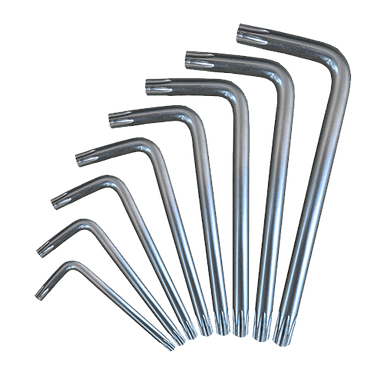
- Torx T20 driver
- 8mm socket
- 1/4" drive ratchet
- Inch-pound torque wrench (20–200 in-lb range)
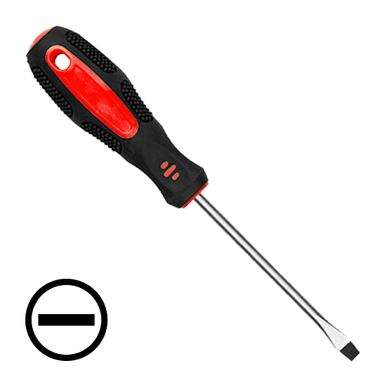
- Small flat-blade screwdriver
- Trim clip tool
- Nitrile gloves
- Safety glasses
🔩 Required Parts
HowToo sells all the parts you need for this repair:
- Mass air flow (MAF) sensor - Qty: 1
- MAF sensor seal/O-ring (if not included with sensor) - Qty: 1
📋 Before You Begin
- Park on level ground and make sure the car is fully OFF.
- Open the hood and let the engine bay cool down.
- Locate the MAF sensor: it’s typically mounted on the air intake duct right after the air filter box, with an electrical connector and two small screws.
🔨 Step-by-Step Instructions
Follow these steps in order:
Step 1: Access the air intake duct
- If an engine cover is in the way, lift it off by hand or remove any retainers using a trim clip tool.
- If the intake duct is secured with hose clamps, loosen them using an 8mm socket and 1/4" drive ratchet.
Step 2: Unplug the MAF sensor connector
- Press the connector lock tab and pull the connector straight off.
- If the tab is stubborn, gently help it with a small flat-blade screwdriver (don’t pry hard). Plastic tabs break easily.
Step 3: Remove the MAF sensor
- Remove the two MAF mounting screws using a Torx T20 driver.
- Pull the sensor straight out of the duct/airbox opening.
- Check that the old seal/O-ring came out with it and is not stuck in the housing.
Step 4: Install the new MAF sensor
- Install the new seal/O-ring on the new sensor if it’s separate.
- Slide the sensor straight into place (don’t force it).
- Install the screws by hand first, then tighten with a Torx T20 driver.
- Torque to 2 Nm (18 in-lb) using an inch-pound torque wrench. (This is very light—just snug.)
Step 5: Reassemble the intake duct
- Re-seat the intake duct onto its fittings.
- Tighten any hose clamps using an 8mm socket and 1/4" drive ratchet.
- Reinstall the engine cover/retainers by hand or with a trim clip tool.
Step 6: Reconnect the electrical connector
- Push the connector onto the sensor until it clicks/locks.
- Gently tug-check it by hand to confirm it’s fully seated.
✅ After Repair
- Start your Fusion and let it idle for 2–3 minutes. The idle should be smooth.
- If you had a check engine light, it may take a few drive cycles to clear on its own; otherwise, clear it with a scan tool.
- Take a short test drive and confirm there’s no hesitation, surging, or warning light.
- Quick re-check: make sure the intake duct clamps are tight and there are no air leaks (a loose duct can cause rough running).
💰 DIY vs Shop Cost
Shop Cost: $200-$450 (parts + labor)
DIY Cost: $60-$200 (parts only)
You Save: $140-$250 by doing it yourself!
Shop labor rates vary but typically run $100-$150/hour. This repair takes a shop approximately 0.5–1.0 hours.
🎯 Ready to get started?
HowToo makes it easy: same-day/2-day shipping on every part, plus all the tools and specialty tools you need! Check out the parts and tools sections below to add everything to your cart.