














How to Replace the Mass Air Flow (MAF) Sensor on a 2016 Lexus IS200t
Step-by-step DIY instructions with tools, parts list, safety tips, and post-install checks for 2016, 2017
How to Replace the Mass Air Flow (MAF) Sensor on a 2016 Lexus IS200t
Step-by-step DIY instructions with tools, parts list, safety tips, and post-install checks for 2016, 2017


🔧 IS - Mass Air Flow (MAF) Sensor Replacement
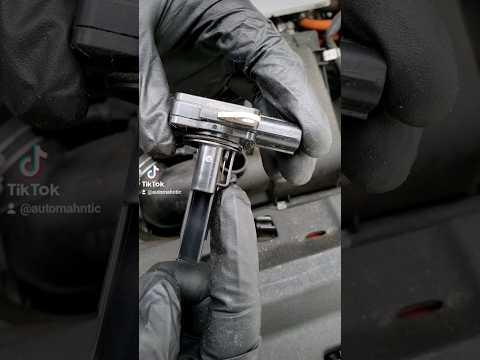
The MAF sensor measures how much air enters your engine so the computer can add the right amount of fuel. A failing or dirty MAF can cause rough idle, hesitation, poor MPG, and a check engine light.
Assumption: Your IS uses the OEM-style MAF mounted in the air intake tube/airbox with 2 small screws.
Difficulty Level: Beginner | Estimated Time: 0.5-1.0 hours
⚠️ Safety & Precautions
- ⚠️ Work on a cool engine to avoid burns from hot turbo/engine parts.
- ⚠️ Turn ignition OFF and keep the key/fob away from the car while unplugging sensors.
- ⚠️ If you disconnect the battery, you may lose radio presets and the engine may idle rough briefly while it relearns.
- ⚠️ Never touch the MAF sensing element (the tiny wire/film inside). It’s very fragile.
🔧 Required Tools
You'll need the following tools for this repair:
- 10mm socket
- 1/4" drive ratchet
- 3" socket extension
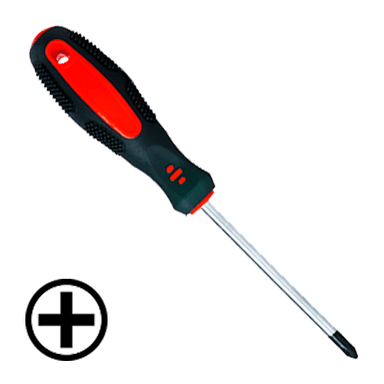
- Phillips #2 screwdriver
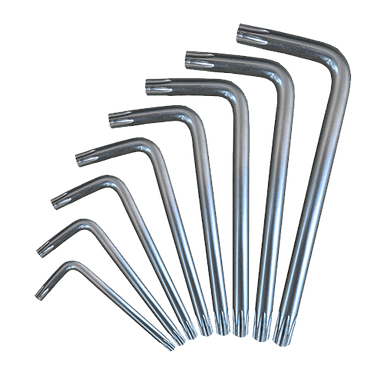
- Torx T20 screwdriver
- Pick tool
- Flashlight
- Nitrile gloves
- Safety glasses
🔩 Required Parts
HowToo sells all the parts you need for this repair:
- Mass air flow (MAF) sensor - Qty: 1
- MAF sensor O-ring/gasket - Qty: 1
- Mass air flow sensor cleaner - Qty: 1
📋 Before You Begin
- Park on level ground, shift to Park, and set the parking brake.
- Open the hood and use a flashlight to locate the airbox/intake tube.
- If you choose to disconnect the battery: use a 10mm socket to remove the negative terminal and isolate it so it can’t spring back. Optional, but safer for beginners.
🔨 Step-by-Step Instructions
Follow these steps in order:
Step 1: Locate the MAF sensor
- Use a flashlight and find the sensor plugged into the air intake tube/airbox, usually just after the air filter box.
- Look for a small electrical connector and a sensor body held in by 2 small screws.
Step 2: Unplug the MAF electrical connector
- Press the connector lock tab and pull the connector straight off by hand.
- If the tab is stubborn, gently help it with a pick tool. Don’t pry hard—tabs break easily.
Step 3: Remove the MAF mounting screws
- Remove the 2 screws using a Phillips #2 screwdriver.
- If your screws are Torx instead, remove them using a Torx T20 screwdriver.
- Set the screws aside where they won’t fall into the engine bay.
Step 4: Remove the MAF sensor
- Pull the sensor straight out by hand.
- If it sticks, wiggle gently—do not twist hard.
- Inspect the seal (O-ring). If it’s flattened, torn, or missing, replace it.
Step 5: (Optional) Clean the intake sealing surface
- Wipe the airbox/intake opening where the sensor seats using a clean rag (no tools required).
- Make sure no dirt can fall into the intake tube.
Step 6: Install the new MAF sensor
- Lightly seat the new O-ring on the sensor (if separate) by hand.
- Slide the sensor straight into place, making sure it sits flush.
- Install the 2 screws using a Phillips #2 screwdriver or Torx T20 screwdriver.
- Torque: Tighten snug (small screws—do not overtighten). Overtightening can crack the sensor housing.
Step 7: Reconnect the electrical connector
- Push the connector on until it clicks.
- Gently tug it to confirm it’s locked.
Step 8: If disconnected, reconnect the battery
- Reinstall the negative battery terminal using a 10mm socket.
- Torque: Tighten snug (do not strip the clamp).
✅ After Repair
- Start the engine and let it idle for 2-3 minutes. Minor idle variation at first can be normal.
- Verify there is no check engine light. If it was on before, it may need to be cleared after repair.
- Do a short test drive and confirm throttle response feels smooth and there’s no hesitation.
- Recheck the connector and screws after the test drive to ensure everything stayed secure.
💰 DIY vs Shop Cost
Shop Cost: $180-$400 (parts + labor)
DIY Cost: $80-$250 (parts only)
You Save: $100-$200 by doing it yourself!
Shop labor rates vary but typically run $100-$150/hour. This repair takes a shop approximately 0.5-1.0 hours.
🎯 Ready to get started?
HowToo makes it easy: same-day/2-day shipping on every part, plus all the tools and specialty tools you need! Check out the parts and tools sections below to add everything to your cart.