














How to Replace the Mass Air Flow (MAF) Sensor on a 2016-2019 Nissan Sentra (Engine: Inline 4 1.8L)
Step-by-step DIY instructions with tools list, parts needed, safety tips, and 18 in-lb torque spec
How to Replace the Mass Air Flow (MAF) Sensor on a 2016-2019 Nissan Sentra (Engine: Inline 4 1.8L)
Step-by-step DIY instructions with tools list, parts needed, safety tips, and 18 in-lb torque spec for 2016, 2017, 2018, 2019


🔧 Sentra - Mass Air Flow (MAF) Sensor Replacement
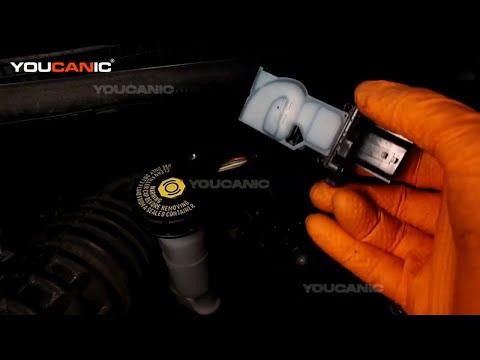
The MAF sensor measures how much air your engine is taking in so the computer can add the right amount of fuel. When it fails, you can get rough idle, hesitation, poor fuel economy, or a check-engine light. On your Sentra, it’s mounted in the intake tube right after the air filter box.
Difficulty Level: Beginner | Estimated Time: 0.3-0.7 hours
⚠️ Safety & Precautions
- ⚠️ Let the engine cool before working near the intake and radiator fan.
- ⚠️ Disconnect the negative battery terminal to prevent electrical damage and accidental shorts.
- ⚠️ Do not touch the sensing element inside the MAF (it’s very delicate).
- ⚠️ Keep dirt out of the intake tube; anything that falls in can damage the engine.
🔧 Required Tools
You'll need the following tools for this repair:
- 10mm socket
- 1/4" drive ratchet
- 3" extension (1/4")
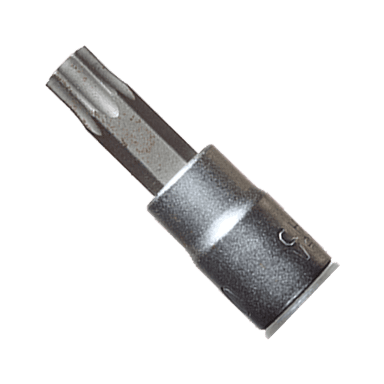
- Torx T20 security bit
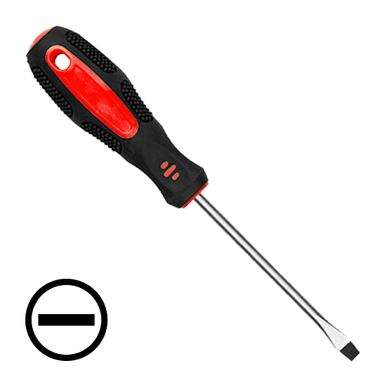
- Flathead screwdriver (medium)
- Trim clip tool
- Torque wrench (in-lb, 20–200 in-lb range)
- Nitrile gloves
- Safety glasses
🔩 Required Parts
HowToo sells all the parts you need for this repair:
- Mass air flow (MAF) sensor - Qty: 1
- MAF sensor seal / O-ring (if supplied with sensor) - Qty: 1
📋 Before You Begin
- Park on level ground, shift to Park, and set the parking brake.
- Open the hood and locate the intake tube connected to the air filter box.
- Disconnect the battery: use a 10mm socket to remove the negative terminal and tuck it aside so it can’t spring back.
🔨 Step-by-Step Instructions
Follow these steps in order:
Step 1: Locate the MAF sensor
- Find the air filter box and the black intake tube leaving it toward the engine.
- The MAF sensor is the small sensor body with an electrical connector installed in that tube, usually right after the air box.
Step 2: Unplug the MAF electrical connector
- Press the connector lock tab by hand; if it’s tight, gently help with a flathead screwdriver (medium).
- Pull the connector straight off (don’t pull on the wires).
- Tip: wiggle, don’t force.
Step 3: Remove the MAF sensor fasteners
- Use a Torx T20 security bit with a 1/4" drive ratchet and 3" extension (1/4") to remove the two MAF screws.
- Set the screws aside where they won’t get lost.
Step 4: Remove the old MAF sensor
- Pull the sensor straight out of the intake tube by hand.
- If it feels stuck, gently rock it side-to-side—don’t pry hard.
- Check whether an O-ring/seal stayed on the sensor or in the intake tube.
Step 5: Install the new MAF sensor
- Compare the new sensor to the old one to confirm the connector and shape match.
- If your new sensor includes a new seal/O-ring, use it. If not, reuse the old one only if it’s not torn or flattened.
- Slide the new sensor into the intake tube in the same orientation as the old one (it should sit fully flush).
Step 6: Reinstall and tighten the MAF screws
- Start both screws by hand first to avoid cross-threading.
- Tighten using the Torx T20 security bit.
- Final tighten with a torque wrench (in-lb, 20–200 in-lb range): Torque to 18 in-lb (2.0 N·m).
Step 7: Reconnect the electrical connector
- Push the connector on until it clicks/locks.
- Gently tug it to confirm it’s latched.
Step 8: Reconnect the battery
- Reinstall the negative battery terminal using a 10mm socket.
- Make it snug and secure (don’t over-tighten).
✅ After Repair
- Start your Sentra and let it idle for 2–3 minutes. A slightly rough idle at first can be normal after battery disconnect.
- Take a short test drive and confirm acceleration feels normal and the check-engine light stays off.
- If the check-engine light is still on, scan for codes (many parts stores can scan). A stored code may need to be cleared after the repair.
- Recheck that the connector is fully seated and the sensor is flush if symptoms remain.
💰 DIY vs Shop Cost
Shop Cost: ₹6,000-₹15,000 (parts + labor)
DIY Cost: ₹4,000-₹12,000 (parts only)
You Save: ₹2,000-₹6,000 by doing it yourself!
Shop labor rates vary but typically run ₹800-₹2,000/hour. This repair takes a shop approximately 0.5-1.0 hours.
🎯 Ready to get started?
HowToo makes it easy: same-day/2-day shipping on every part, plus all the tools and specialty tools you need! Check out the parts and tools sections below to add everything to your cart.