















How to Replace the Mass Air Flow (MAF) Sensor on a 2016-2019 Hyundai Sonata (Engine: Inline 4 2.0L)
Step-by-step instructions with tools, parts list, safety tips, and OBD2 code clearing after install
How to Replace the Mass Air Flow (MAF) Sensor on a 2016-2019 Hyundai Sonata (Engine: Inline 4 2.0L)
Step-by-step instructions with tools, parts list, safety tips, and OBD2 code clearing after install for 2016, 2017, 2018, 2019


🔧 Sonata - Mass Air Flow (MAF) Sensor Replacement
On your Sonata, the “MAF” (mass air flow) sensor—if equipped—mounts in the air intake tube right after the air filter box. Replacing it is usually a simple remove-and-reinstall job, but it’s important to keep the hybrid system from waking up while your hands are in the engine bay.
Difficulty Level: Beginner | Estimated Time: 0.5-1.0 hours
⚠️ Safety & Precautions
- ⚠️ Hybrid/PHEV: Keep the car OFF and keep the key fob 15+ feet away so the system can’t wake up.
- ⚠️ Let the engine bay cool before working near the intake and radiator fan.
- ⚠️ Disconnecting the 12V battery negative terminal is recommended to prevent accidental shorts.
- Do not touch the sensor element (the delicate “wire/film” inside) with fingers or tools.
🔧 Required Tools
You'll need the following tools for this repair:
- 10mm socket
- 1/4" ratchet
- 3" extension (1/4" drive)
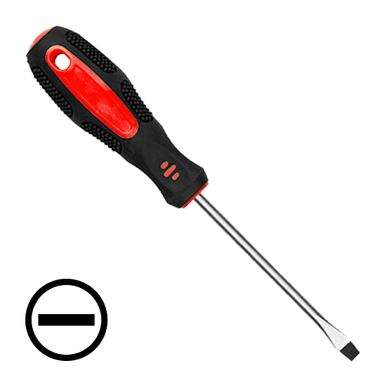
- Flathead screwdriver (medium)
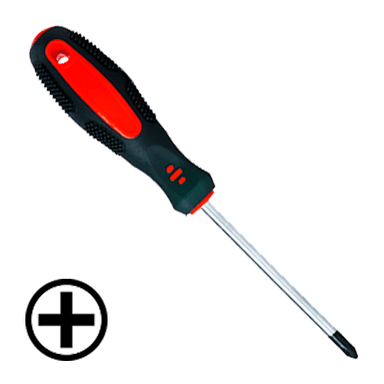
- Phillips #2 screwdriver
- Torx T20 bit
- Torque wrench (inch-pound or small Nm range)
- Trim clip tool
- OBD2 scan tool
- Nitrile gloves
- Safety glasses
🔩 Required Parts
HowToo sells all the parts you need for this repair:
- Mass air flow (MAF) sensor - Qty: 1
- MAF sensor O-ring/seal (if not included) - Qty: 1
- Engine air filter (optional, recommended if dirty) - Qty: 1
- Electrical contact cleaner (optional) - Qty: 1
📋 Before You Begin
- Park on level ground and set the parking brake.
- Turn the car OFF and wait 3-5 minutes for modules to go to sleep.
- Open the trunk and access the 12V battery area (your Sonata PHEV uses a 12V system for controls).
- Disconnect the 12V battery negative terminal using a 10mm socket.
🔨 Step-by-Step Instructions
Follow these steps in order:
Step 1: Confirm you’re replacing the correct sensor
- Look at the air intake tube coming off the air filter box.
- A true MAF sensor is usually a small rectangular sensor with an electrical connector, mounted with 2 screws into the intake tube just after the air filter.
- If you do not see this part and instead see a sensor on the intake manifold (closer to the engine), you may be looking for the MAP sensor (manifold absolute pressure) instead.
Step 2: Remove the engine cover (if equipped)
- Pull straight up to release the rubber grommets, or remove any retaining clips using a trim clip tool.
- Pull evenly to avoid cracking the cover.
Step 3: Loosen the intake tube for access
- Loosen the hose clamp(s) at the air box/intake tube using a flathead screwdriver (medium).
- If there are any small breather/vacuum lines attached, carefully release their clamps and slide the hoses off by hand.
- Move the intake tube just enough to reach the sensor screws (you usually don’t need to remove the whole air box).
Step 4: Unplug the MAF electrical connector
- Press the connector lock tab and pull the connector straight off.
- If it’s stuck, use electrical contact cleaner (optional) and try again—do not pry hard on the sensor housing.
Step 5: Remove the MAF sensor
- Remove the two mounting screws using a Phillips #2 screwdriver or Torx T20 bit (Hyundai uses one or the other depending on supplier).
- Gently twist and pull the sensor straight out of the intake tube.
- Remove and inspect the O-ring/seal. Replace it if it’s flattened, cracked, or swollen.
Step 6: Install the new MAF sensor
- Lightly seat the new O-ring/seal (do not use oil).
- Insert the sensor straight in without forcing it.
- Install the screws by hand first, then tighten using a Phillips #2 screwdriver or Torx T20 bit.
- Final-tighten the screws using a torque wrench (inch-pound or small Nm range) to Hyundai factory specification for your Sonata’s MAF fasteners.
Step 7: Reassemble the intake tube
- Reposition the intake tube and fully seat it on the air box/throttle body connections.
- Tighten the hose clamp(s) using a flathead screwdriver (medium).
- Reconnect any small hoses you removed and ensure clamps are secure.
Step 8: Reconnect power and plug in the sensor
- Reconnect the MAF electrical connector until it clicks.
- Reconnect the 12V battery negative terminal using a 10mm socket.
✅ After Repair
- Use an OBD2 scan tool to clear any MAF-related codes (example: P0101/P0102/P0103) and recheck for return codes.
- Start the car and let it idle for a few minutes. Listen for hissing (vacuum leak) and confirm the intake tube is sealed.
- Test drive gently for 10-15 minutes, then re-scan for codes.
💰 DIY vs Shop Cost
Shop Cost: $200-$450 (parts + labor)
DIY Cost: $80-$250 (parts only)
You Save: $120-$200 by doing it yourself!
Shop labor rates vary but typically run $100-$150/hour. This repair takes a shop approximately 0.5-1.0 hours.
🎯 Ready to get started?
HowToo makes it easy: same-day/2-day shipping on every part, plus all the tools and specialty tools you need! Check out the parts and tools sections below to add everything to your cart.
Guide for Mass Air Flow Sensor replace for these Hyundai vehicles
| Year Make Model | Sub Model | Engine | Body Style |
|---|---|---|---|
| 2019 Hyundai Sonata | - | Inline 4 2.0L | - |
| 2018 Hyundai Sonata | - | Inline 4 2.0L | - |
| 2017 Hyundai Sonata | - | Inline 4 2.0L | - |
| 2016 Hyundai Sonata | - | Inline 4 2.0L | - |