














How to Replace the Mass Air Flow (MAF) Sensor on a 2015-2021 Subaru WRX (Engine: Flat 4 2.0L)
Step-by-step instructions with tools, parts list, safety tips, and post-install ECU relearn guidance
How to Replace the Mass Air Flow (MAF) Sensor on a 2015-2021 Subaru WRX (Engine: Flat 4 2.0L)
Step-by-step instructions with tools, parts list, safety tips, and post-install ECU relearn guidance for 2015, 2016, 2017, 2018, 2019, 2020, 2021


🔧 WRX - Mass Air Flow (MAF) Sensor Replacement
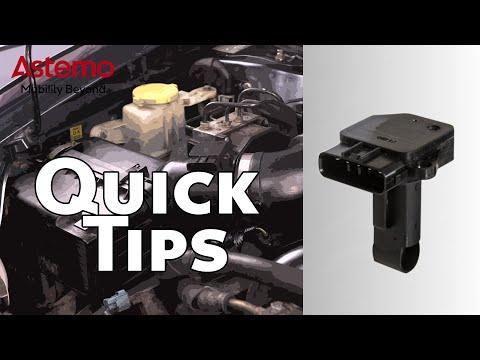
The MAF sensor measures the air entering your engine so the computer can add the correct amount of fuel. A failing MAF can cause rough idle, hesitation, poor fuel economy, or a check-engine light. On your WRX, it’s mounted in the air intake tube/airbox lid near the air filter.
Difficulty Level: Beginner | Estimated Time: 0.3-0.8 hours
⚠️ Safety & Precautions
- Let the engine cool so you don’t burn your hands on hot parts.
- Keep dirt out of the intake tube—don’t drop screws into the air duct.
- Do not touch the sensing element inside the MAF opening; it’s delicate.
- Battery disconnect is not strictly required, but it’s recommended to prevent accidental shorts and to help the ECU relearn with the new sensor.
🔧 Required Tools
You'll need the following tools for this repair:
- 10mm socket
- 1/4" ratchet
- 6" extension (1/4")
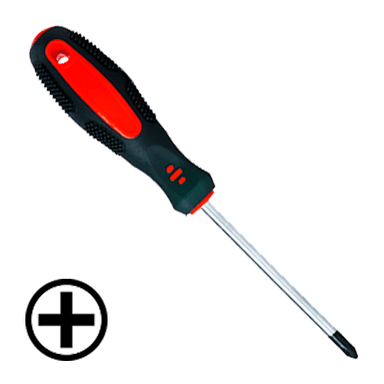
- Phillips #2 screwdriver
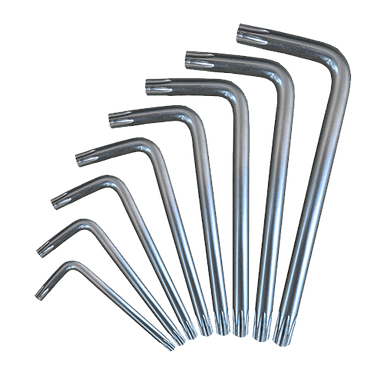
- Torx T20 screwdriver
- Trim clip removal tool
- Pickup magnet tool
- Nitrile gloves
- Safety glasses
🔩 Required Parts
HowToo sells all the parts you need for this repair:
- Mass air flow (MAF) sensor - Qty: 1
📋 Before You Begin
- Park on level ground, put the shifter in neutral, and set the parking brake.
- Open the hood and locate the airbox/intake tube on the passenger side of the engine bay.
- If disconnecting the battery: use a 10mm socket to remove the negative terminal and isolate it so it can’t spring back.
🔨 Step-by-Step Instructions
Follow these steps in order:
Step 1: Locate the MAF sensor
- Find the sensor with an electrical connector mounted into the intake tube/airbox lid (usually right after the air filter box).
- Confirm you’re on the MAF (airbox) and not the MAP sensor (on the intake manifold).
Step 2: Unplug the MAF electrical connector
- Press the connector lock tab and pull the connector straight off.
- If it’s stuck, use a trim clip removal tool gently to help release the tab—don’t pry hard on the wires.
Step 3: Remove the MAF mounting screws
- Use a Phillips #2 screwdriver or Torx T20 screwdriver (your WRX may use either) to remove the two screws holding the sensor.
- Keep a pickup magnet tool ready so you don’t drop a screw into the engine bay.
- Push down firmly to avoid stripping.
Step 4: Remove the MAF sensor from the housing
- Pull the sensor straight out. If it feels stuck, wiggle gently—do not twist hard.
- Inspect the sealing area (O-ring/edge) for damage or dirt, and wipe the housing opening with a clean dry cloth.
Step 5: Install the new MAF sensor
- Slide the new sensor into the same orientation as the old one. It should sit flush.
- Install the screws by hand first so they don’t cross-thread.
- Tighten the screws evenly using a Phillips #2 screwdriver or Torx T20 screwdriver.
- Torque: Subaru does not publish a service torque for these small MAF screws on some listings—tighten snug only (do not overtighten; the plastic housing can crack).
Step 6: Reconnect the electrical connector
- Push the connector on until it clicks.
- Give it a gentle tug to confirm it’s locked.
Step 7: If disconnected, reconnect the battery
- Reinstall the negative battery terminal using a 10mm socket.
- Torque to 6.0 Nm (4.4 ft-lbs) (snug; do not strip the clamp bolt).
✅ After Repair
- Start the engine and let it idle for 3–5 minutes with all accessories off.
- Then take a 10–15 minute test drive with gentle acceleration so the ECU can relearn airflow readings.
- If you have a check-engine light, use a scan tool to clear codes and confirm none return (P0101/P0102/P0103 are common MAF-related codes).
- If symptoms remain, the issue may be an intake air leak (loose clamps, cracked intake tube) or a dirty air filter.
💰 DIY vs Shop Cost
Shop Cost: $220-$450 (parts + labor)
DIY Cost: $90-$250 (parts only)
You Save: $130-$200 by doing it yourself!
Shop labor rates vary but typically run $100-$150/hour. This repair takes a shop approximately 0.5-1.0 hours.
🎯 Ready to get started?
HowToo makes it easy: same-day/2-day shipping on every part, plus all the tools and specialty tools you need! Check out the parts and tools sections below to add everything to your cart.