













How to Replace the Mass Air Flow (MAF) Sensor on a 2014-2019 Jeep Grand Cherokee (Engine: V8 5.7L)
Step-by-step MAF replacement with tools/parts list, O-ring tips, safety checks, and code clearing
How to Replace the Mass Air Flow (MAF) Sensor on a 2014-2019 Jeep Grand Cherokee (Engine: V8 5.7L)
Step-by-step MAF replacement with tools/parts list, O-ring tips, safety checks, and code clearing for 2014, 2015, 2016, 2017, 2018, 2019


🔧 Grand Cherokee - MAF Sensor Replacement
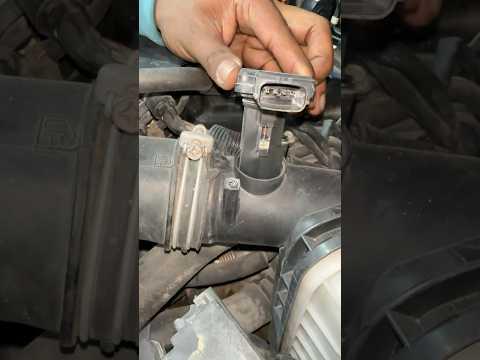
On your Grand Cherokee EcoDiesel, the “air measurement” sensor people call a MAF is usually mounted in the intake duct right after the air filter box (before the turbo). Replacing it is mostly unplugging an electrical connector and swapping the sensor, then clearing any stored fault codes.
Difficulty Level: Beginner | Estimated Time: 0.5-1.0 hours
⚠️ Safety & Precautions
- ⚠️ Let the engine cool first; intake parts can be hot.
- ⚠️ Key off, remove key/fob from the vehicle to prevent the fan/actuators cycling.
- ⚠️ Avoid dropping anything into the intake tube; it can damage the turbo.
- ⚠️ Battery disconnect is not strictly required, but it’s safer if you’re nervous around connectors.
🔧 Required Tools
You'll need the following tools for this repair:
- 8mm socket
- 10mm socket
- 1/4" drive ratchet
- 6" 1/4" drive extension
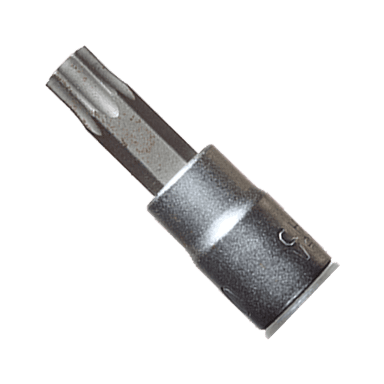
- Torx T20 bit
- Flat-blade screwdriver (small)
- Trim clip removal tool
- Work gloves
- Safety glasses
- OBD2 scan tool
🔩 Required Parts
HowToo sells all the parts you need for this repair:
- Mass air flow (MAF) sensor - Qty: 1
- MAF sensor O-ring seal - Qty: 1
📋 Before You Begin
- Park on level ground and set the parking brake.
- Turn the ignition OFF and keep the key/fob at least 10 ft away.
- If you choose to disconnect the battery: use a 10mm socket to remove the negative terminal and isolate it so it can’t spring back.
- Quick check: confirm you’re working on the sensor in the intake tube right after the air box (it has an electrical plug and is held in with small Torx screws).
🔨 Step-by-Step Instructions
Follow these steps in order:
Step 1: Locate the MAF sensor
- Open the hood and find the air filter box and the large intake tube leaving it.
- Look for a small sensor body inserted into that tube with a wiring connector.
Step 2: Make room (if needed)
- If the engine cover blocks access, lift it straight up to pop it off its rubber grommets (use work gloves for grip).
- If there’s a small duct/resonator clipped in the way, release clips using a trim clip removal tool.
Step 3: Unplug the electrical connector
- Press the connector lock tab and pull the plug straight off the sensor.
- If the lock is stubborn, gently help the tab with a flat-blade screwdriver (small) (don’t pry hard). Stuck connector? Wiggle, don’t yank.
Step 4: Remove the MAF sensor from the intake tube
- Remove the sensor retaining screws using a Torx T20 bit and 1/4" drive ratchet.
- Pull the sensor straight out. If it resists, twist slightly while pulling.
- Remove the old O-ring seal (if it stays in the tube) and make sure it’s not stuck inside.
Step 5: Install the new MAF sensor
- Lightly seat the new O-ring on the new sensor (or install the new seal as supplied).
- Insert the sensor straight into the intake tube, keeping it square so the O-ring doesn’t pinch.
- Install and tighten the Torx screws using the Torx T20 bit.
- Torque: Tighten to factory specification (these are small screws—snug, not “gorilla tight”).
Step 6: Reconnect and reassemble
- Reconnect the electrical connector until it clicks into place.
- Reinstall any ducting/clips you removed using the trim clip removal tool.
- Reinstall the engine cover by lining it up and pressing down firmly.
- If you disconnected the battery, reconnect the negative terminal using a 10mm socket.
Step 7: Clear codes (recommended)
- Plug in an OBD2 scan tool and clear stored codes.
- If codes return immediately, stop and recheck the connector seating and the O-ring seal.
✅ After Repair
- Start the engine and let it idle for 2-3 minutes while listening for air leaks (hissing) near the intake tube.
- Take a short test drive and confirm normal power and no warning lights.
- Re-scan with the OBD2 scan tool to confirm no pending codes.
💰 DIY vs Shop Cost
Shop Cost: ₹8,000-₹18,000 (parts + labor)
DIY Cost: ₹5,000-₹15,000 (parts only)
You Save: ₹3,000-₹6,000 by doing it yourself!
Shop labor rates vary but typically run ₹1,000-₹2,500/hour. This repair takes a shop approximately 0.5-1.0 hours.
🎯 Ready to get started?
HowToo makes it easy: same-day/2-day shipping on every part, plus all the tools and specialty tools you need! Check out the parts and tools sections below to add everything to your cart.
Guide for Mass Air Flow Sensor replace for these Jeep vehicles
| Year Make Model | Sub Model | Engine | Body Style |
|---|---|---|---|
| 2019 Jeep Grand Cherokee | - | V6 3.0L | - |
| 2018 Jeep Grand Cherokee | - | V6 3.0L | - |
| 2017 Jeep Grand Cherokee | - | V6 3.0L | - |
| 2016 Jeep Grand Cherokee | - | V6 3.0L | - |
| 2015 Jeep Grand Cherokee | - | V6 3.0L | - |
| 2014 Jeep Grand Cherokee | - | V6 3.0L | - |