














How to Replace the Mass Air Flow (MAF) Sensor on a 2012 Honda Accord
Step-by-step DIY instructions with required tools, parts list, safety tips, and torque specs
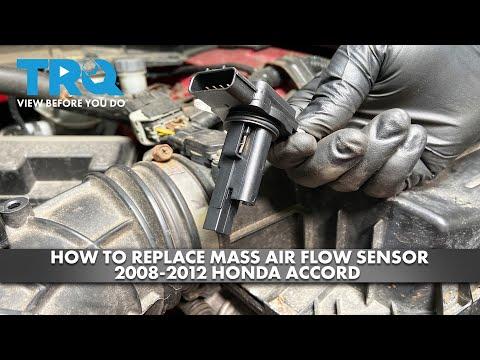
How to Replace the Mass Air Flow (MAF) Sensor on a 2012 Honda Accord
Step-by-step DIY instructions with required tools, parts list, safety tips, and torque specs


🔧 Accord - Mass Air Flow (MAF) Sensor Replacement
The MAF sensor measures how much air enters your Accord’s engine so the computer can deliver the correct fuel. A failing MAF can cause rough idle, hesitation, poor fuel economy, and a check engine light.
Difficulty Level: Beginner | Estimated Time: 0.5-1.0 hours
⚠️ Safety & Precautions
- ⚠️ Let the engine cool before working near the intake and radiator area.
- ⚠️ Turn ignition OFF and remove the key before unplugging sensors.
- ⚠️ Disconnecting the negative battery cable is recommended to prevent accidental shorts and to help avoid setting new faults.
- ⚠️ Do not touch the sensing element inside the MAF sensor; it’s delicate and oils from fingers can damage it.
🔧 Required Tools
You'll need the following tools for this repair:
- 10mm socket
- 1/4" drive ratchet
- 6" extension (1/4" drive)
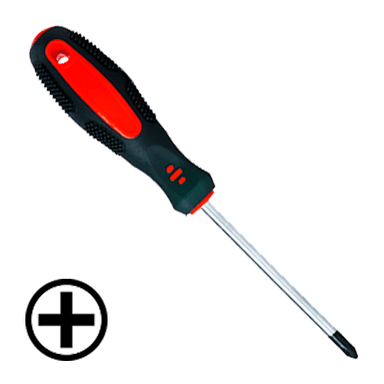
- Phillips #2 screwdriver
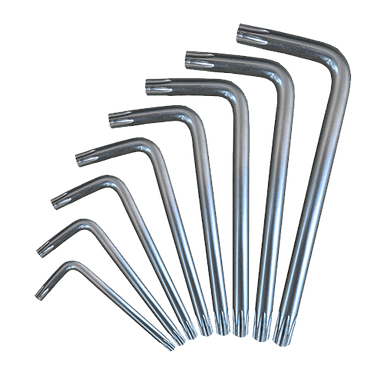
- Torx T20 screwdriver
- Flat trim tool
- Inch‑pound torque wrench (specialty)
- Work gloves
- Safety glasses
🔩 Required Parts
HowToo sells all the parts you need for this repair:
- Mass air flow (MAF) sensor - Qty: 1
- MAF sensor O-ring (if not included with sensor) - Qty: 1
- Mass air flow sensor cleaner spray - Qty: 1
📋 Before You Begin
- Park on level ground and set the parking brake.
- Open the hood and locate the air box and intake tube on the driver side of the engine bay.
- If you choose to disconnect the battery: use a 10mm socket to remove the negative terminal and tuck it aside so it can’t spring back.
- Torque wrench = tool that measures tightening force.
🔨 Step-by-Step Instructions
Follow these steps in order:
Step 1: Locate the MAF sensor
- Find the sensor mounted in the intake tube/air box outlet (it has a small electrical connector).
- Confirm you’re working on the MAF (not the throttle body): the MAF sits upstream in the air intake tract.
Step 2: Unplug the electrical connector
- Press the connector lock tab by hand; if it’s stubborn, gently help it with a flat trim tool.
- Pull the connector straight off (don’t pull on the wires).
Step 3: Remove the MAF mounting screws
- Use a Phillips #2 screwdriver to remove the two screws if they have a cross-head.
- If your screws are star-shaped instead, use a Torx T20 screwdriver.
- Set the screws aside where they won’t drop into the engine bay.
Step 4: Remove the sensor from the housing
- Wiggle the sensor straight out by hand.
- If it feels stuck, gently rock it—don’t pry on the plastic body.
- Check whether an O-ring (rubber seal) stayed in the housing or came out with the sensor.
Step 5: Clean the housing opening (optional but recommended)
- Spray a small amount of MAF sensor cleaner spray onto a clean cloth (not into the intake) and wipe the sealing area.
- Do not use brake cleaner on sensors.
Step 6: Install the new MAF sensor
- Lightly seat the O-ring on the new sensor (or install a new O-ring into the housing).
- Slide the sensor into the housing in the same orientation as the old one.
- Install the two screws by hand first to avoid cross-threading.
- Tighten the screws using a inch‑pound torque wrench (specialty): Torque to 3.5 N·m (31 in‑lb, 2.6 ft‑lb).
Step 7: Reconnect the electrical connector
- Push the connector on until it clicks.
- Gently tug to confirm it’s locked.
Step 8: If battery was disconnected, reconnect it
- Use a 10mm socket to tighten the negative terminal: Torque to 5 N·m (44 in‑lb, 3.7 ft‑lb).
✅ After Repair
- Start your Accord and let it idle for 2-3 minutes. Idle may briefly fluctuate as the computer relearns.
- Check that the check engine light stays off. If it’s on, recheck the connector seating and that the O-ring is not pinched.
- Take a short test drive and verify normal acceleration and shifting.
- If a light remains on, scan for codes (a parts store scan or scan tool) and report the exact code(s) back.
💰 DIY vs Shop Cost
Shop Cost: $200-$450 (parts + labor)
DIY Cost: $80-$220 (parts only)
You Save: $120-$230 by doing it yourself!
Shop labor rates vary but typically run $100-$150/hour. This repair takes a shop approximately 0.5-1.0 hours.
🎯 Ready to get started?
HowToo makes it easy: same-day/2-day shipping on every part, plus all the tools and specialty tools you need! Check out the parts and tools sections below to add everything to your cart.