














How to Replace the Mass Air Flow (MAF) Sensor on a 2010-2019 Subaru Outback (Engine: Flat 4 2.5L)
Step-by-step instructions with tools, parts list, safety tips, and torque specs for a smooth install
How to Replace the Mass Air Flow (MAF) Sensor on a 2010-2019 Subaru Outback (Engine: Flat 4 2.5L)
Step-by-step instructions with tools, parts list, safety tips, and torque specs for a smooth install


🔧 Outback - Mass Air Flow (MAF) Sensor Replacement
The MAF sensor measures incoming air so your Outback can calculate the correct fuel amount. A failing or dirty MAF can cause rough idle, hesitation, poor fuel economy, or a check engine light. Replacement is straightforward because it mounts on the air cleaner housing.
Difficulty Level: Beginner | Estimated Time: 0.5-1.0 hours
⚠️ Safety & Precautions
- 🛑 Work on a cool engine to avoid burns.
- 🛑 Turn ignition OFF and keep the key away from the car while unplugging sensors.
- 🛑 If you disconnect the battery, you may need to re-learn idle (normal).
- 🛑 Do not touch the sensor element inside the MAF; it’s fragile.
🔧 Required Tools
You'll need the following tools for this repair:
- 10mm socket
- 1/4" ratchet
- 4" extension for 1/4" ratchet
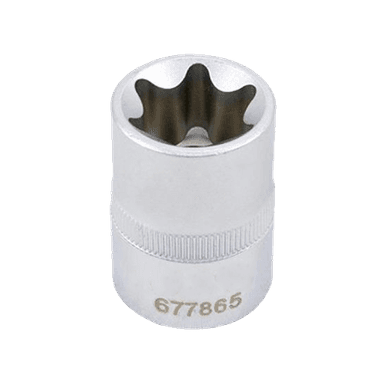
- Security Torx T20 bit
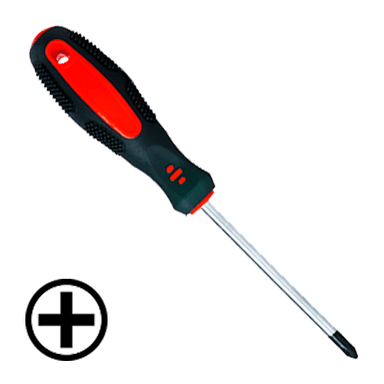
- #2 Phillips screwdriver
- Inch-pound torque wrench (10–80 in-lb range)
- Small pick tool
- Nitrile gloves
- Safety glasses
🔩 Required Parts
HowToo sells all the parts you need for this repair:
- Mass air flow (MAF) sensor - Qty: 1
- MAF sensor O-ring (if not included with sensor) - Qty: 1
- Engine air filter (optional, if dirty) - Qty: 1
📋 Before You Begin
- Park on level ground, set the parking brake, and open the hood.
- If you want maximum protection from an accidental short: use a 10mm socket to disconnect the negative battery terminal and isolate it. Negative terminal is the “-” post.
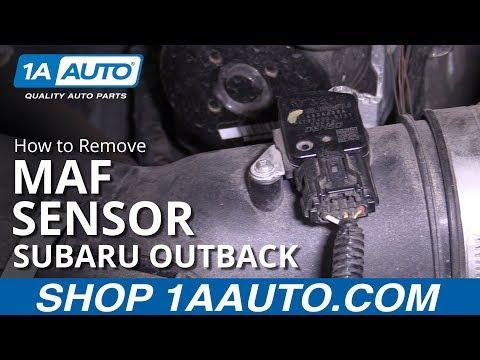
- Locate the air cleaner box on the driver side of the engine bay; the MAF sensor is mounted on the air intake/airbox lid with an electrical connector.
🔨 Step-by-Step Instructions
Follow these steps in order:
Step 1: Confirm the fastener type on your MAF
- Look at the two screws holding the MAF sensor to the airbox/duct.
- If the head is a star shape with a pin in the center, use a Security Torx T20 bit.
- If the head is a cross, use a #2 Phillips screwdriver.
Step 2: Unplug the MAF sensor connector
- Press the connector lock tab and pull the connector straight off.
- If it’s stuck, use a small pick tool to gently lift the lock tab while pulling. Don’t pull on the wires.
Step 3: Remove the MAF sensor retaining screws
- Use the Security Torx T20 bit or #2 Phillips screwdriver to remove the two screws.
- Set the screws aside where they won’t fall into the engine bay.
Step 4: Remove the MAF sensor from the housing
- Wiggle the sensor gently and pull it straight out by the plastic body.
- Inspect the O-ring seal. If it’s torn, flattened, or missing, replace it.
- Do not touch the sensing element inside the MAF opening.
Step 5: Install the new MAF sensor
- Make sure the new sensor is oriented the same way as the old one (same direction and alignment).
- Lightly seat the sensor into the housing until it sits flush.
- Reinstall the two screws by hand first to avoid cross-threading.
- Use an inch-pound torque wrench to tighten the screws: Torque to 1.5 N·m (13 in-lb).
Step 6: Reconnect the electrical connector
- Push the connector on until it clicks.
- Give it a gentle tug to confirm it’s fully locked.
Step 7: Reconnect battery (if disconnected)
- Reinstall the negative battery terminal using a 10mm socket.
- Tighten the terminal: Torque to 7.5 N·m (66 in-lb).
✅ After Repair
- Start the engine and let it idle for 5–10 minutes with all accessories off (A/C off, lights off). This helps idle stabilize.
- Check for a check engine light and listen for intake air leaks (hissing) around the airbox.
- If you have a scan tool, clear any stored MAF-related codes and verify none return.
- Take a short test drive and confirm throttle response is smooth.
💰 DIY vs Shop Cost
Shop Cost: $180-$350 (parts + labor)
DIY Cost: $80-$220 (parts only)
You Save: $100-$200 by doing it yourself!
Shop labor rates vary but typically run $100-$150/hour. This repair takes a shop approximately 0.5-1.0 hours.
🎯 Ready to get started?
HowToo makes it easy: same-day/2-day shipping on every part, plus all the tools and specialty tools you need! Check out the parts and tools sections below to add everything to your cart.