














How to Replace the MAP/IAT Sensor (No MAF) on a 2007-2016 Honda CR-V (Trim: EX-L)
Step-by-step troubleshooting, sensor locations, required tools/parts, and safety tips
How to Replace the MAP/IAT Sensor (No MAF) on a 2007-2016 Honda CR-V (Trim: EX-L)
Step-by-step troubleshooting, sensor locations, required tools/parts, and safety tips for 2007, 2008, 2009, 2010, 2011, 2012, 2013, 2014, 2015, 2016


🔧 CR-V - MAF Sensor Replacement
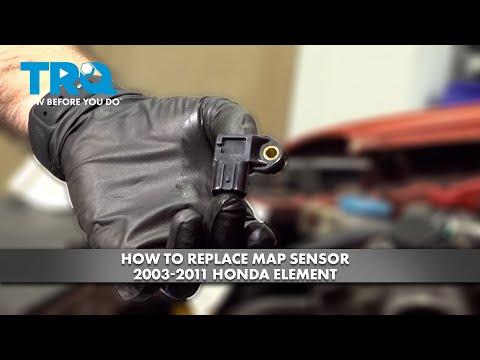
Your CR-V doesn’t use a traditional Mass Air Flow (MAF) sensor like many cars do. It typically uses a MAP sensor (Manifold Absolute Pressure) and an IAT sensor (Intake Air Temperature) instead.
Once we identify which sensor you’re actually replacing, I’ll give you the exact step-by-step replacement procedure.
Difficulty Level: Beginner | Estimated Time: 0.2-0.5 hours
⚠️ Safety & Precautions
- ⚠️ Let the engine cool so you don’t burn your hands on hot parts.
- ⚠️ Keep the key out of the ignition while unplugging sensors.
- ⚠️ If you disconnect the battery, you may need radio presets reset.
- ⚠️ Don’t pull on wires; always pull on the connector body.
🔧 Required Tools
You'll need the following tools for this repair:
- 10mm socket
- 1/4" ratchet
- 6" extension (1/4")
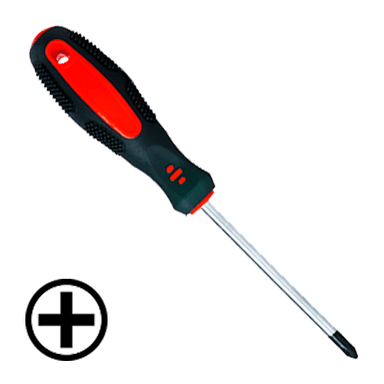
- Phillips screwdriver #2
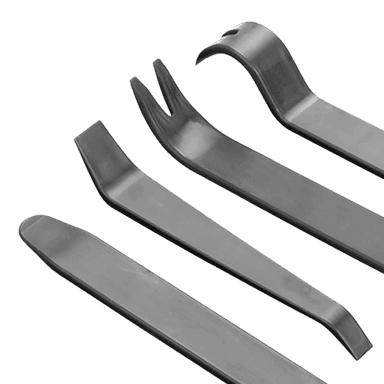
- Flat trim tool
- Flashlight
- Nitrile gloves
- Safety glasses
🔩 Required Parts
HowToo sells all the parts you need for this repair:
- MAP sensor - Qty: 1
- IAT sensor - Qty: 1
- Dielectric grease - Qty: 1
📋 Before You Begin
- 🅿️ Park on level ground and set the parking brake.
- Open the hood and remove any engine cover if equipped (use a 10mm socket if it has bolts).
- If your hands are near the radiator fan area, disconnect the negative battery cable using a 10mm socket (optional but safest).
🔨 Step-by-Step Instructions
Follow these steps in order:
Step 1: Confirm which “air sensor” you have
- Use a flashlight to look at the air intake tube (the black tube from the air box to the engine).
- If you see a sensor installed in the intake tube or air box with an electrical connector, that’s usually the IAT sensor (not a MAF).
- Then look at the intake manifold (the part the intake tube connects to). A small sensor with a connector bolted into the manifold is usually the MAP sensor.
- MAF sensors usually sit in the air tube.
Step 2: Tell me what you see (two quick questions)
- Do you have a sensor mounted in the air intake tube/air box, or only on the intake manifold?
- Are you replacing it due to a check-engine light? If yes, what code (example: P0102, P0113, P0108)?
✅ After Repair
- Once you confirm which sensor, I’ll include the correct install steps and what to double-check before starting the engine.
- If there’s a check-engine light, clearing the code after the repair is recommended (I can guide you based on the code).
💰 DIY vs Shop Cost
Shop Cost: $180-$400 (parts + labor)
DIY Cost: $35-$180 (parts only)
You Save: $145-$220 by doing it yourself!
Shop labor rates vary but typically run $100-$150/hour. This repair takes a shop approximately 0.5-1.0 hours.
🎯 Ready to get started?
HowToo makes it easy: same-day/2-day shipping on every part, plus all the tools and specialty tools you need! Check out the parts and tools sections below to add everything to your cart.
Guide for Manifold Absolute Pressure Sensor replace for these Honda vehicles
| Year Make Model | Sub Model | Engine | Body Style |
|---|---|---|---|
| 2016 Honda CR-V | EX | - | - |
| 2016 Honda CR-V | EX-L | - | - |
| 2016 Honda CR-V | LX | - | - |
| 2016 Honda CR-V | SE | - | - |
| 2016 Honda CR-V | Touring | - | - |
| 2015 Honda CR-V | EX | - | - |
| 2015 Honda CR-V | EX-L | - | - |
| 2015 Honda CR-V | LX | - | - |
| 2015 Honda CR-V | Touring | - | - |
| 2014 Honda CR-V | EX | - | - |
| 2014 Honda CR-V | EX-L | - | - |
| 2014 Honda CR-V | LX | - | - |
| 2013 Honda CR-V | EX | - | - |
| 2013 Honda CR-V | EX-L | - | - |
| 2013 Honda CR-V | LX | - | - |
| 2012 Honda CR-V | EX | - | - |
| 2012 Honda CR-V | EX-L | - | - |
| 2012 Honda CR-V | LX | - | - |
| 2011 Honda CR-V | EX | - | - |
| 2011 Honda CR-V | EX-L | - | - |
| 2011 Honda CR-V | LX | - | - |
| 2011 Honda CR-V | SE | - | - |
| 2010 Honda CR-V | EX | - | - |
| 2010 Honda CR-V | EX-L | - | - |
| 2010 Honda CR-V | LX | - | - |
| 2009 Honda CR-V | EX | - | - |
| 2009 Honda CR-V | EX-L | - | - |
| 2009 Honda CR-V | LX | - | - |
| 2008 Honda CR-V | EX | - | - |
| 2008 Honda CR-V | EX-L | - | - |
| 2008 Honda CR-V | LX | - | - |
| 2007 Honda CR-V | EX | - | - |
| 2007 Honda CR-V | EX-L | - | - |
| 2007 Honda CR-V | LX | - | - |