













How to Replace the MAP Sensor on a 2011-2023 Jeep Grand Cherokee 3.6L V6 (Engine: V8 5.7L)
Step-by-step guide for the MAF-related fault, with tools, parts, torque specs, and scan tool checks
How to Replace the MAP Sensor on a 2011-2023 Jeep Grand Cherokee 3.6L V6 (Engine: V8 5.7L)
Step-by-step guide for the MAF-related fault, with tools, parts, torque specs, and scan tool checks for 2011, 2012, 2013, 2014, 2015, 2016, 2017, 2018, 2019, 2020, 2021, 2022, 2023


🔧 Grand Cherokee - MAP Sensor Replacement
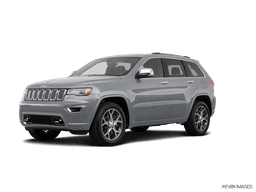
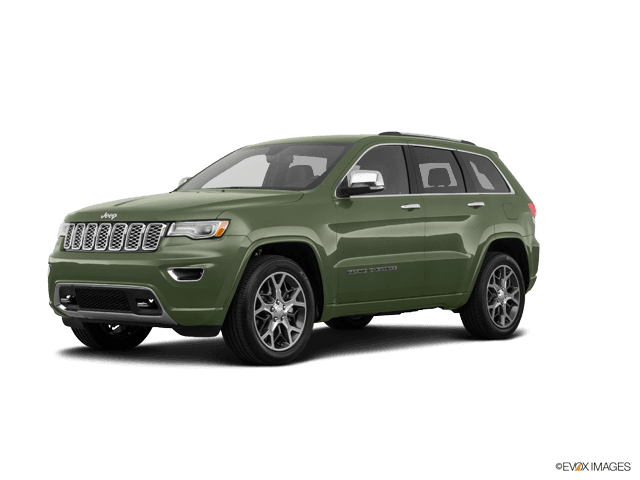
Your Grand Cherokee with the 3.6L Pentastar V6 does not use a Mass Air Flow sensor. Jeep uses a MAP sensor, which means Manifold Absolute Pressure sensor; it helps the engine computer measure air load using intake pressure.
This repair replaces the MAP sensor on the intake manifold. It is a good beginner job because it only uses basic hand tools and does not require fluid draining.
Difficulty Level: Beginner | Estimated Time: 20-45 minutes
⚠️ Safety & Precautions
- ⚠️ Let the engine cool before working near the intake manifold.
- ⚠️ Disconnect the negative battery cable before unplugging engine sensors.
- ⚠️ Do not force the electrical connector; the plastic lock tab can break.
- ⚠️ Keep dirt out of the sensor opening on the intake manifold.
🔧 Required Tools
You'll need the following tools for this repair:
- 10mm socket
- 1/4-inch drive ratchet
- 1/4-inch drive 3-inch extension
- T20 Torx screwdriver
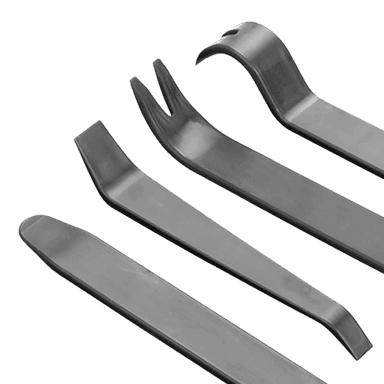
- Trim clip removal tool
- Small flathead screwdriver
- Clean shop towels
- Nitrile gloves
- Safety glasses
- OBD2 scan tool
🔩 Required Parts
HowToo sells all the parts you need for this repair:
- Manifold Absolute Pressure sensor - Qty: 1
- MAP sensor O-ring seal - Qty: 1
📋 Before You Begin
- 🅿️ Park your Grand Cherokee on level ground and set the parking brake.
- 🔑 Turn the ignition fully off and remove the key fob from the vehicle.
- ⏱️ Wait at least 2 minutes before disconnecting the battery.
- 🔋 Use a 10mm socket to disconnect the negative battery cable and move it aside so it cannot spring back onto the battery post.
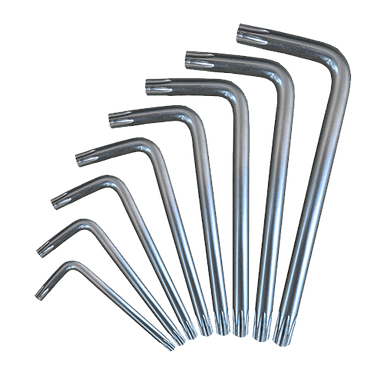
- 🧰 A Torx screwdriver is a star-shaped screwdriver used on many factory sensors and trim fasteners.
🔨 Step-by-Step Instructions
Follow these steps in order:
Step 1: Remove the Engine Cover
- Use both hands to lift the plastic engine cover straight upward.
- The cover is held by rubber grommets, so it may pop loose suddenly.
- Set the cover aside in a safe place.
- Pull upward, not sideways.
Step 2: Locate the MAP Sensor
- Stand at the front of your Grand Cherokee and look at the top of the intake manifold.
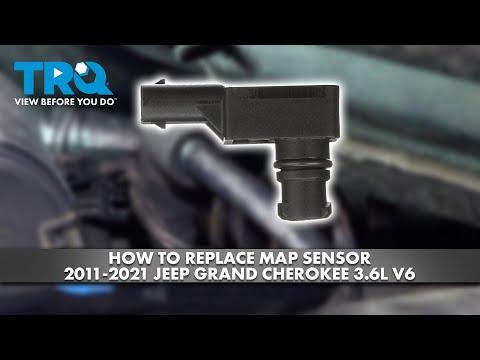
- The MAP sensor is a small black plastic sensor installed into the intake manifold with an electrical connector attached.
- It is not located in the air intake tube because this engine does not use a MAF sensor.
Step 3: Unplug the Electrical Connector
- Put on safety glasses and nitrile gloves.
- Use a small flathead screwdriver to gently lift the red connector lock if equipped.
- Press the connector release tab with your thumb or the small flathead screwdriver.
- Pull the connector straight off the MAP sensor.
- Do not pull on the wires.
- Plastic tabs break when rushed.
Step 4: Remove the MAP Sensor Fastener
- Use a T20 Torx screwdriver to remove the sensor retaining screw.
- If access is tight, use a 1/4-inch drive ratchet with a 3-inch extension and suitable Torx bit.
- Place the screw somewhere safe so it does not fall into the engine bay.
Step 5: Remove the Old MAP Sensor
- Gently twist the MAP sensor by hand to loosen the O-ring seal.
- Pull the sensor straight out of the intake manifold.
- Use a clean shop towel to wipe around the sensor opening.
- Do not push dirt into the opening.
Step 6: Install the New MAP Sensor
- Check that the new MAP sensor has a clean O-ring installed.
- Lightly wipe the O-ring with a clean fingertip if it is dry; do not use harsh chemicals.
- Push the new sensor straight into the intake manifold by hand.
- Make sure it sits flush before installing the screw.
Step 7: Tighten the MAP Sensor Screw
- Use the T20 Torx screwdriver to install the retaining screw by hand first.
- Tighten it gently until snug.
- Torque to 3 Nm (27 in-lbs)
- Do not overtighten; the intake manifold is plastic.
- Snug is enough here.
Step 8: Reconnect the Electrical Connector
- Push the connector straight onto the MAP sensor until it clicks.
- Use your finger to push the red connector lock back into place if equipped.
- Lightly tug the connector to make sure it is seated.
Step 9: Reinstall the Engine Cover
- Line up the engine cover with the rubber mounting points.
- Press down firmly by hand until the cover seats fully.
Step 10: Reconnect the Battery
- Use a 10mm socket to reconnect the negative battery cable.
- Torque to 5 Nm (44 in-lbs)
- Make sure the terminal does not rotate by hand after tightening.
Step 11: Clear Codes and Check Live Data
- Use an OBD2 scan tool to clear any stored MAP sensor or air metering codes.
- Start the engine and let it idle.
- Use the OBD2 scan tool to check for returning codes.
- The idle should be smooth after the engine computer relearns.
✅ After Repair
- ✅ Let the engine idle for 2-3 minutes without touching the accelerator.
- ✅ Test drive gently for 10-15 minutes with mixed city driving.
- ✅ Recheck for a check engine light after the test drive.
- ✅ If codes return, inspect the sensor connector, wiring, vacuum leaks, and air intake duct for loose clamps or cracks.
- ✅ If the original code was for a “MAF” reading on a generic scanner, remember that many scan tools label airflow-related faults generically even though your Grand Cherokee uses a MAP sensor system.
💰 DIY vs Shop Cost
Shop Cost: $180-$350 (parts + labor)
DIY Cost: $35-$110 (parts only)
You Save: $145-$240 by doing it yourself!
Shop labor rates vary but typically run $100-$150/hour. This repair takes a shop approximately 0.5-1.0 hour.
🎯 Ready to get started?
HowToo makes it easy: same-day/2-day shipping on every part, plus all the tools and specialty tools you need! Check out the parts and tools sections below to add everything to your cart.
Guide for Manifold Absolute Pressure Sensor replace for these Jeep vehicles
| Year Make Model | Sub Model | Engine | Body Style |
|---|---|---|---|
| 2023 Jeep Grand Cherokee | - | V6 3.6L | - |
| 2022 Jeep Grand Cherokee | - | V6 3.6L | - |
| 2021 Jeep Grand Cherokee | - | V6 3.6L | - |
| 2020 Jeep Grand Cherokee | - | V6 3.6L | - |
| 2019 Jeep Grand Cherokee | - | V6 3.6L | - |
| 2018 Jeep Grand Cherokee | - | V6 3.6L | - |
| 2017 Jeep Grand Cherokee | - | V6 3.6L | - |
| 2016 Jeep Grand Cherokee | - | V6 3.6L | - |
| 2015 Jeep Grand Cherokee | - | V6 3.6L | - |
| 2014 Jeep Grand Cherokee | - | V6 3.6L | - |
| 2013 Jeep Grand Cherokee | - | V6 3.6L | - |
| 2012 Jeep Grand Cherokee | - | V6 3.6L | - |
| 2011 Jeep Grand Cherokee | - | V6 3.6L | - |