













How to Replace the MAP Sensor (MAF-Style Issue) on a 2016 Ram ProMaster 1500
Step-by-step instructions with tools, parts, MAP sensor location, and 8 Nm (71 in-lbs) torque spec for 2014, 2015, 2016, 2017, 2018, 2019, 2020, 2021, 2022, 2023
How to Replace the MAP Sensor (MAF-Style Issue) on a 2016 Ram ProMaster 1500
Step-by-step instructions with tools, parts, MAP sensor location, and 8 Nm (71 in-lbs) torque spec for 2014, 2015, 2016, 2017, 2018, 2019, 2020, 2021, 2022, 2023


🔧 ProMaster - MAF Sensor Replacement (Clarification + Correct Sensor)
Your ProMaster’s 3.6L Pentastar does not use a traditional Mass Air Flow (MAF) sensor. Airflow is calculated using a MAP sensor (Manifold Absolute Pressure) and an IAT sensor (Intake Air Temperature), depending on exact setup.
Assumption: You meant the MAP sensor (most common “MAF-like” fault/repair on this engine).
Difficulty Level: Beginner | Estimated Time: 0.3–0.8 hours
⚠️ Safety & Precautions
- ⚠️ Work on a cool engine to avoid burns.
- ⚠️ Keep dirt out of the intake openings; stuff a clean rag in any open tube.
- ⚠️ If you disconnect the battery: use a 10mm wrench and remove the negative terminal first.
🔧 Required Tools
You'll need the following tools for this repair:
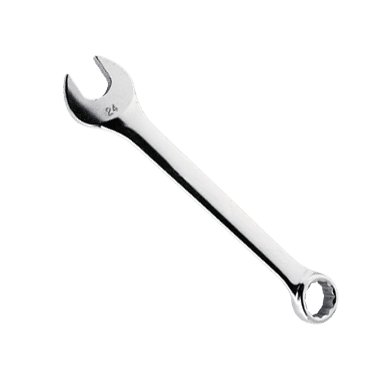
- 10mm wrench
- 1/4" drive ratchet
- 6" 1/4" drive extension
- 8mm socket
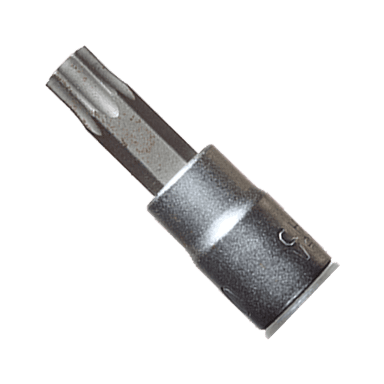
- Torx T25 bit socket
- Small flathead screwdriver
- Torque wrench (inch-pound or small Nm range)
- Flashlight
- Nitrile gloves
- Safety glasses
- OBD2 scan tool
🔩 Required Parts
HowToo sells all the parts you need for this repair:
- MAP sensor - Qty: 1
- MAP sensor O-ring (if not included with sensor) - Qty: 1
- Dielectric grease (electrical connector grease) - Qty: 1
📋 Before You Begin
- Park on level ground, shift to neutral, and set the parking brake.
- Open the hood and use a flashlight to locate the MAP sensor on the upper intake manifold.
- If you choose to disconnect the battery, use a 10mm wrench to remove the negative terminal and set it aside so it can’t spring back.
- Take a quick photo of the connector.
🔨 Step-by-Step Instructions
Follow these steps in order:
Step 1: Locate the MAP sensor
- Use a flashlight and find the small sensor plugged into the upper intake manifold.
- The MAP sensor usually has a 3-wire electrical connector and is held in with a small bolt or screw.
Step 2: Unplug the electrical connector
- Use a small flathead screwdriver to gently lift the connector lock tab if needed.
- Press the release and pull the connector straight off (don’t pull on the wires).
- Wiggle gently; don’t force it.
Step 3: Remove the MAP sensor fastener
- Use a Torx T25 bit socket (or use an 8mm socket if your sensor uses a hex-head bolt) with a 1/4" drive ratchet and extension to remove the retaining screw/bolt.
- Set the screw/bolt aside somewhere safe.
Step 4: Remove the MAP sensor
- Pull the sensor straight out by hand.
- If it feels stuck, gently twist it while pulling—don’t pry hard against plastic.
- Check that the old O-ring came out with the sensor (an O-ring is a small rubber sealing ring).
Step 5: Install the new MAP sensor
- Lightly coat the new O-ring with clean engine oil (a thin film) so it slides in without tearing.
- Push the sensor straight into the manifold until fully seated.
- Reinstall the retaining screw/bolt using a Torx T25 bit socket (or 8mm socket) and ratchet.
- Torque to 8 Nm (71 in-lbs).
Step 6: Reconnect the connector and (if removed) battery
- Add a tiny dab of dielectric grease to the connector seal (not into the metal pins).
- Push the connector on until it clicks.
- If you disconnected the battery, reconnect the negative terminal using a 10mm wrench and tighten snugly.
✅ After Repair
- Use an OBD2 scan tool to clear any stored codes.
- Start the engine and let it idle for 1–2 minutes. Listen for hissing (vacuum leak sound) around the intake.
- Take a short test drive and recheck for a check-engine light.
- If it runs worse, recheck the connector latch.
💰 DIY vs Shop Cost
Shop Cost: $180-$350 (parts + labor)
DIY Cost: $35-$120 (parts only)
You Save: $145-$230 by doing it yourself!
Shop labor rates vary but typically run $100-$150/hour. This repair takes a shop approximately 0.5-1.0 hours.
🎯 Ready to get started?
HowToo makes it easy: same-day/2-day shipping on every part, plus all the tools and specialty tools you need! Check out the parts and tools sections below to add everything to your cart.